Dorado Fishing in Cabo San Lucas
Peak Jun–Nov
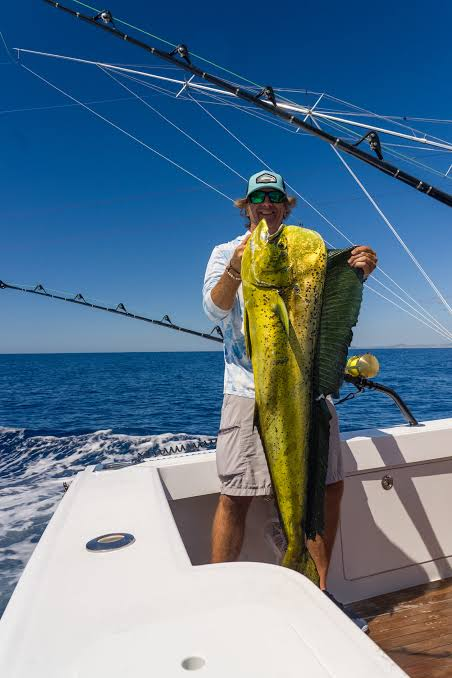
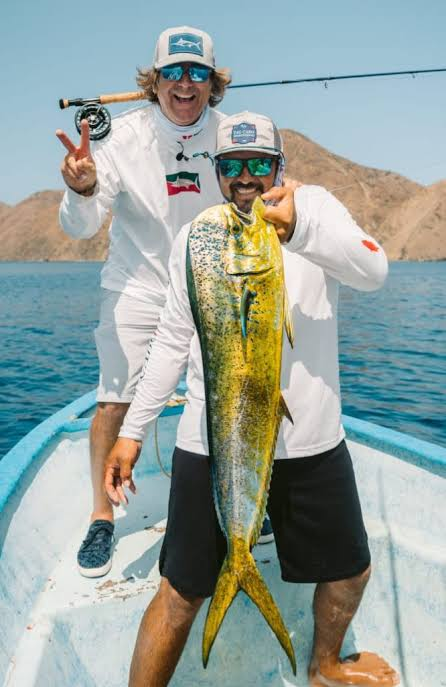
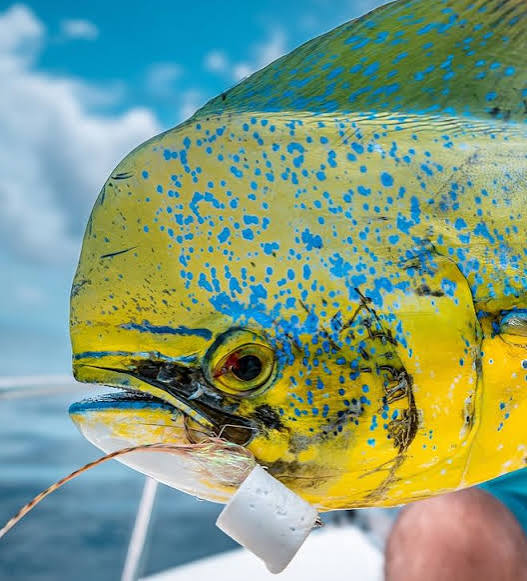
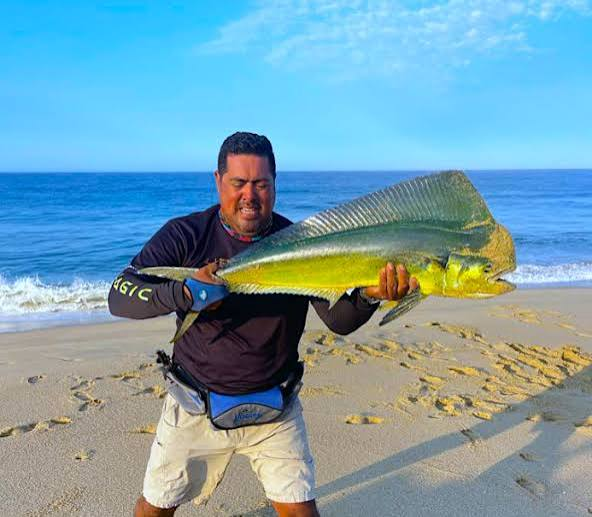
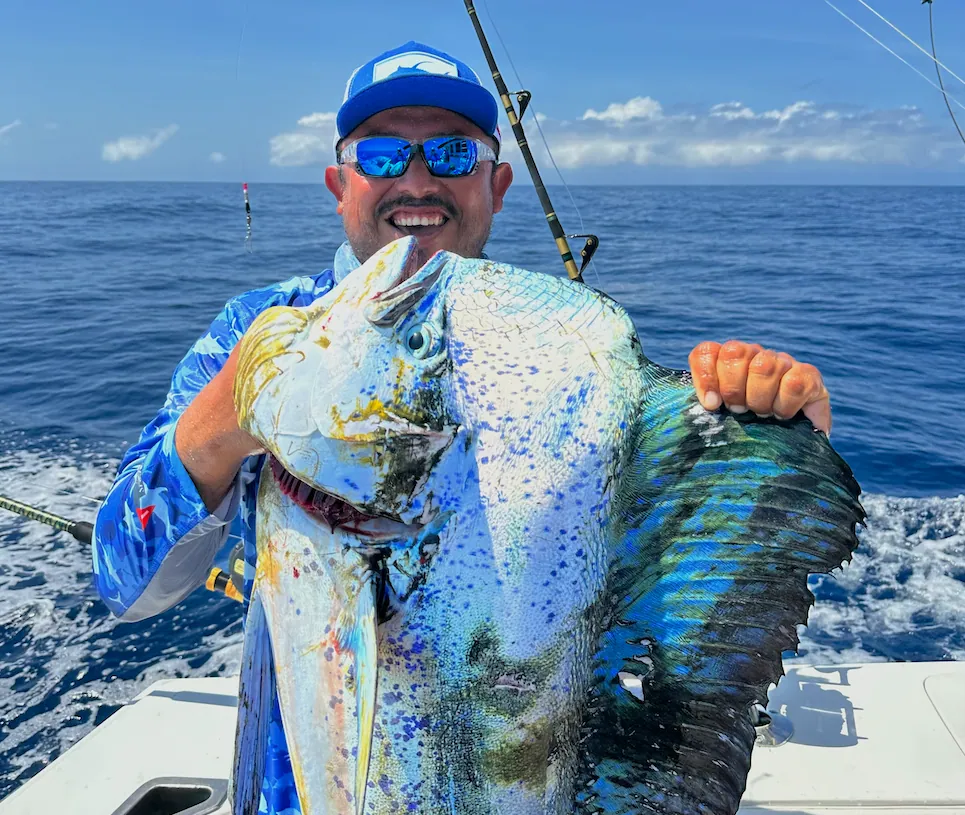
Dorado light up electric green and gold the moment they eat. They hold under floating debris, weed lines and buoys, usually in schools, so one hookup often turns into a triple. Fast, acrobatic, and the fish most of our guests take back to the restaurant for dinner.
Book nowAverage size
10–40 lbs
Best months
June – November
How we fish
Trolling structure, then live bait on the school
Boats
Any boat in the fleet
Why anglers love dorado fishing in Cabo San Lucas
Dorado — mahi-mahi on the menu — are the most fun you can have on light tackle. They hunt in packs under anything that floats, they light up neon green and gold when they eat, they jump until the leader comes tight, and a hooked fish brings the whole school to the boat. On a good day we keep one fish in the water and pitch baits to the followers until everyone aboard has caught one.
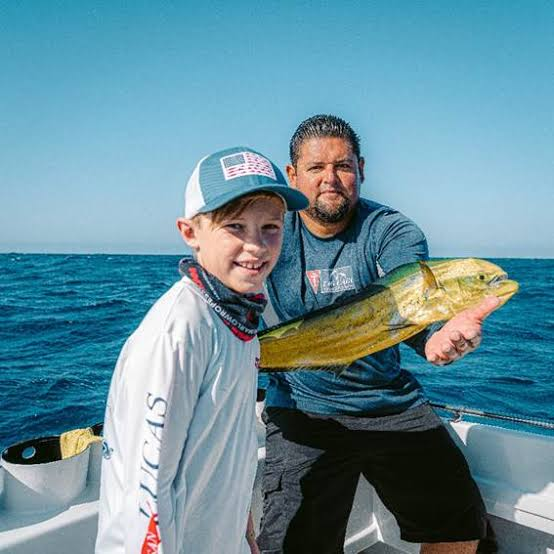
They are also the best-eating fish we catch. Firm, mild fillets that most beachside restaurants in Cabo will cook for you the same evening — bring your catch to the marina and let them grill it. For families and first-time anglers, dorado days are the trip we recommend most: lots of action, lots of fish, and dinner sorted.
From June through November the warm current pushes dorado into the Sea of Cortez side in numbers, and bulls over 40 pounds show up every season. Cabo is one of the few places you can catch dorado in the morning and a marlin in the afternoon on the same charter.
Where we find dorado around Cabo
Dorado are structure fish — not bottom structure, but anything floating on the surface. Your captain spends the morning reading the water and working the edges. These are the situations we hunt:
- Weed lines and current rips — sargassum lines offshore on the Cortez side are dorado magnets in summer and fall.
- Floating debris — a single log, pallet or buoy can hold an entire school. We never run past one without a look.
- Buoys and FADs off San José and the Corridor — reliable producers through the season.
- Temperature breaks — a two-degree edge with bait on it is worth repeated passes.
- Around the porpoise and tuna schools — dorado ride along and we pick them up between tuna bites.
How we fish them: troll to find, live bait to load
The program is simple. We troll small feathers, cedar plugs and rigged ballyhoo along the weed lines and structure until the first strike. When a dorado comes tight, the first fish stays in the water beside the boat — the school will not leave a hooked companion. Then we pitch live caballito or chunk bait on light spinning and conventional tackle to the followers, which you can often see flashing green just under the surface.
It is sight fishing at its best and the action can be frantic: doubles and triples are normal, and when a big bull shows under the school everyone reaches for the heavier rod. We also catch dorado casting small poppers and jigs, which is as visual as fishing gets.
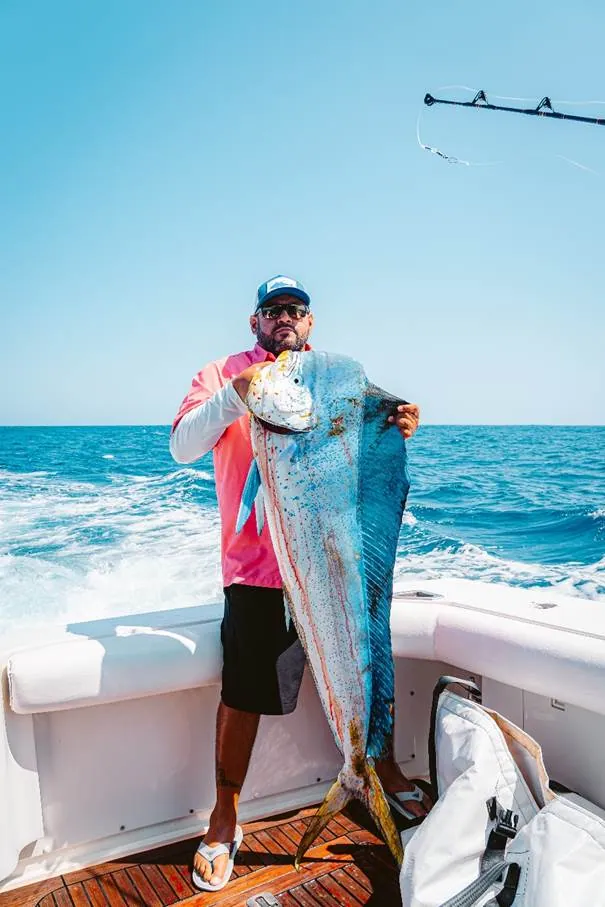
Most dorado we keep are 10 to 25 pounds — perfect eating size. The bulls over 40 pounds are photographed and, if the angler wants, released to fight another day.
Dorado gear and tackle
- 20–30 lb class spinning and conventional outfits — light enough to enjoy a 15-pounder, stout enough for a bull.
- Small trolling feathers, cedar plugs and rigged ballyhoo for locating fish along the lines.
- Live bait hooks (2/0–4/0 circle hooks) and 40–60 lb fluorocarbon leaders for the pitch baits.
- Casting jigs and small poppers for when the school is up and boiling.
- Everything is included on our boats — full trolling spread, live bait, and tackle rigged fresh. Bring sun protection and a camera.
Dorado month by month in Cabo San Lucas
January – April
Slow
Cool water pushes dorado south. We catch the odd fish on the Pacific side, but if dorado are the priority, pick a summer or fall date.
May
Picking up
Warming water brings the first schools to the Corridor buoys. Not the peak, but a live-bait day can produce a box of schoolies.
June – August
Good
The season starts in earnest. Weed lines form offshore, the FADs load up, and most trips boat double-digit numbers of fish in the 10–20 lb class.
September – November
Peak
The best dorado fishing of the year. Warm water, big schools under any floating structure, and the largest bulls of the season. September and October are our favorite months.
December
Good
Fishable numbers hang on while the water stays warm. Early December can still be excellent before the winter current arrives.
What a dorado trip with us includes
Dorado trips run on every boat in the fleet — from the 25ft panga for two anglers working the inshore buoys, up to the sportfishers for groups who want to mix dorado with a shot at tuna or marlin offshore. Every trip includes the crew, fuel, full tackle, live bait, two fishing licences, ice, water, beer and lunch.
We fillet and bag your catch at the dock so it travels well, and most marina restaurants will cook it for you that night. If dorado are the priority, tell us when you book — we will match your dates to the season and the right boat for where the fish are holding that week.
Book a dorado (mahi-mahi) trip
Tell us your dates and we will put you on the right boat and the right beach for the conditions that week. All tackle, live bait and two fishing licences included.
Check availabilityDorado (Mahi-Mahi) fishing FAQs
- When is the best time for dorado fishing in Cabo San Lucas?
- June through November, with September to November the peak. The warm water brings in big schools and the largest bulls of the year. We catch stray dorado year-round, but the winter months are slow.
- How big do dorado get in Cabo?
- Most fish we keep run 10 to 25 pounds — ideal eating size. Bulls over 40 pounds show up every season, and 50-pounders are caught each fall.
- Can we keep and eat the dorado we catch?
- Yes. Dorado are the best-eating fish we catch and there is a generous limit. We fillet and bag your catch at the dock, and most marina restaurants will cook it for you the same evening.
- What boat is best for a dorado trip?
- Any boat in the fleet. The 25ft panga is perfect for two anglers working the inshore buoys; the center consoles and sportfishers are better if you want to mix dorado with tuna or marlin offshore. Tell us your group size and we will match the boat.
- Is dorado fishing good for kids and beginners?
- It is the trip we recommend most for families and first-timers — fast action, lots of fish, light tackle, and dinner at the end. Our crews coach new anglers through every hookup.
- What is included on a dorado charter?
- Crew, fuel, full tackle, live bait, two fishing licences, ice, water, beer and lunch. No hidden fees. Additional licences are $25 each, and multi-day discounts are available.
- What is the difference between dorado and mahi-mahi?
- They are the same fish — dorado is the name used in Mexico and mahi-mahi in Hawaii and on US restaurant menus. You may also hear them called dolphin fish, but they are no relation to dolphins.
Dorado (Mahi-Mahi) photo gallery
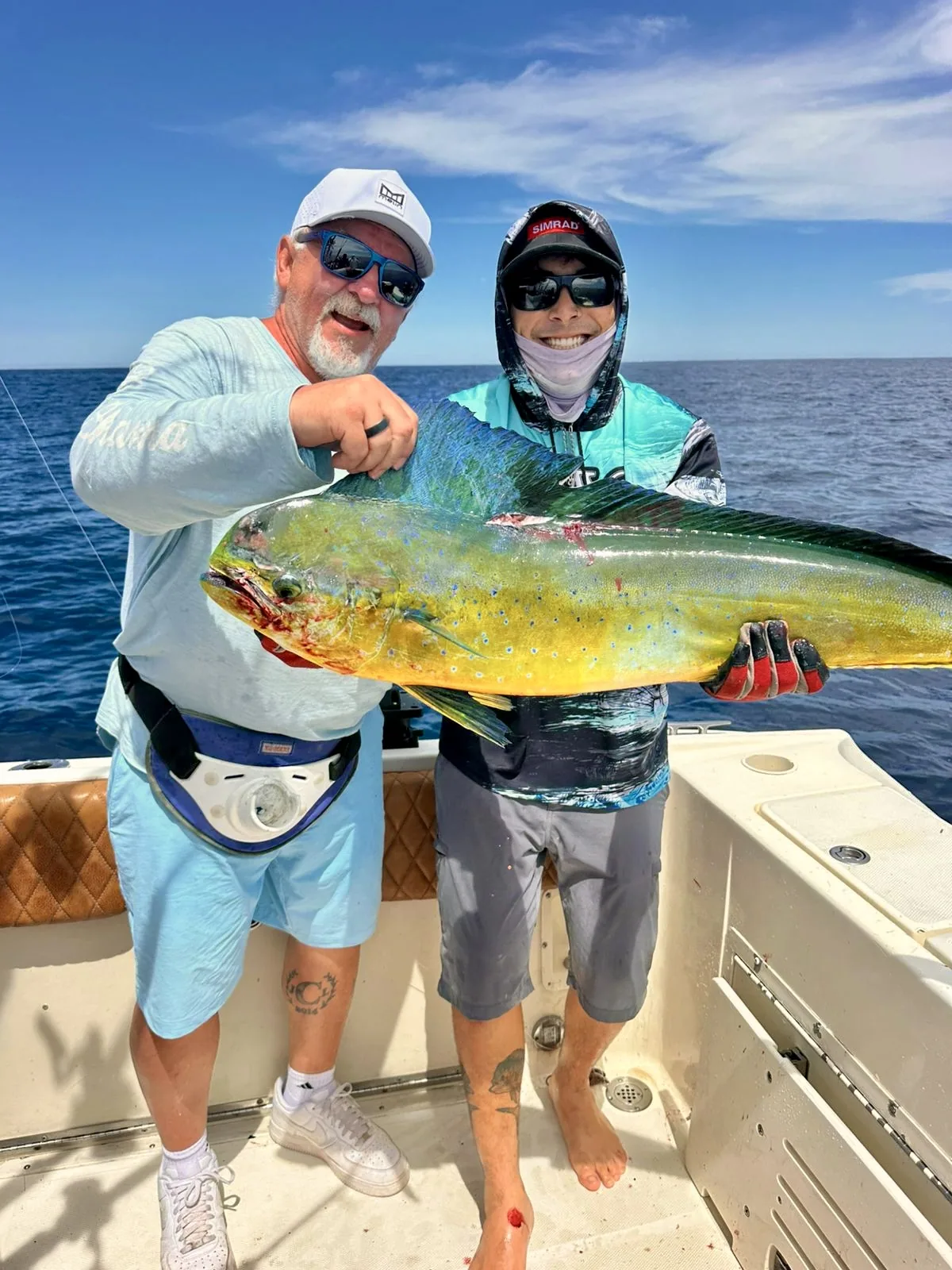
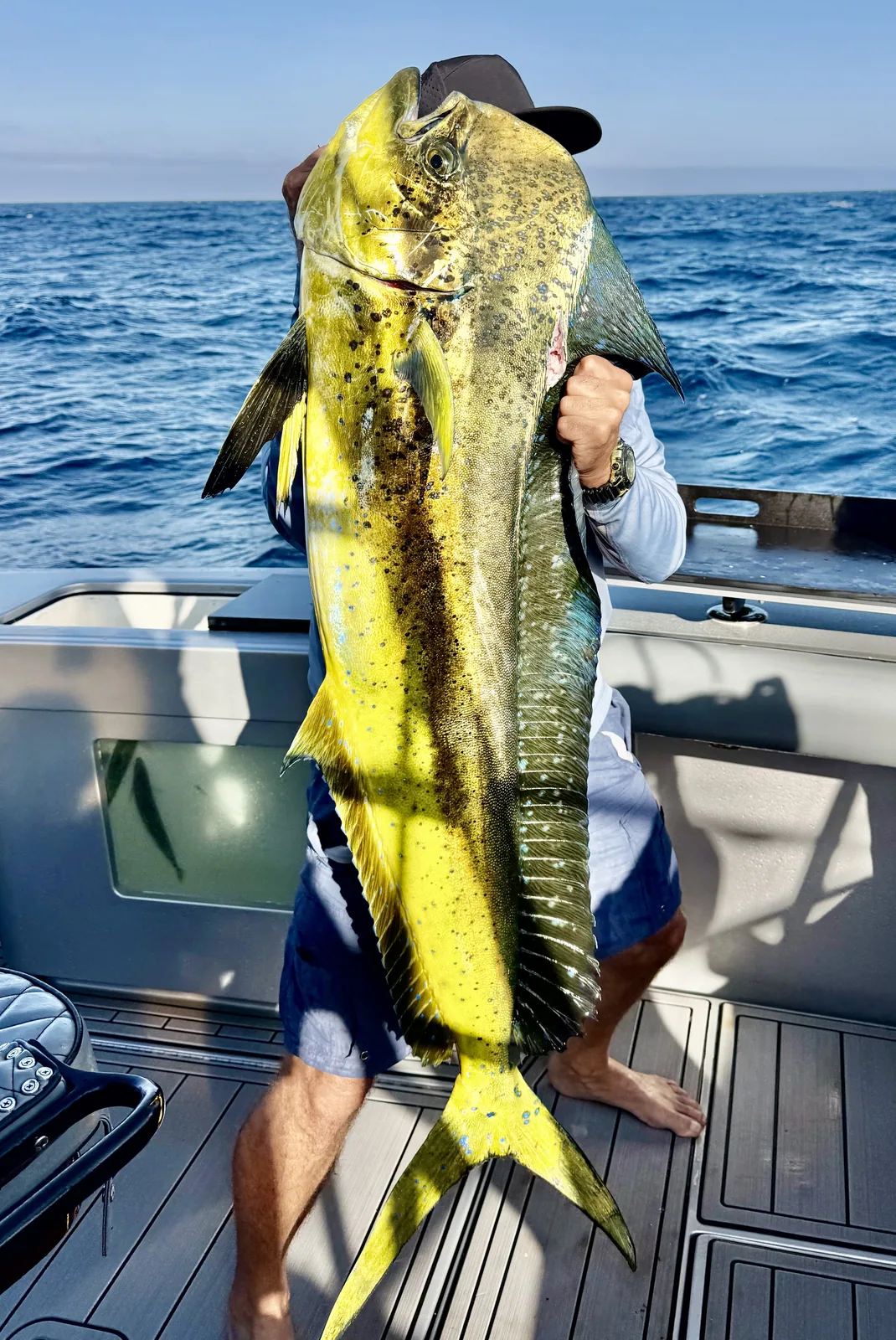
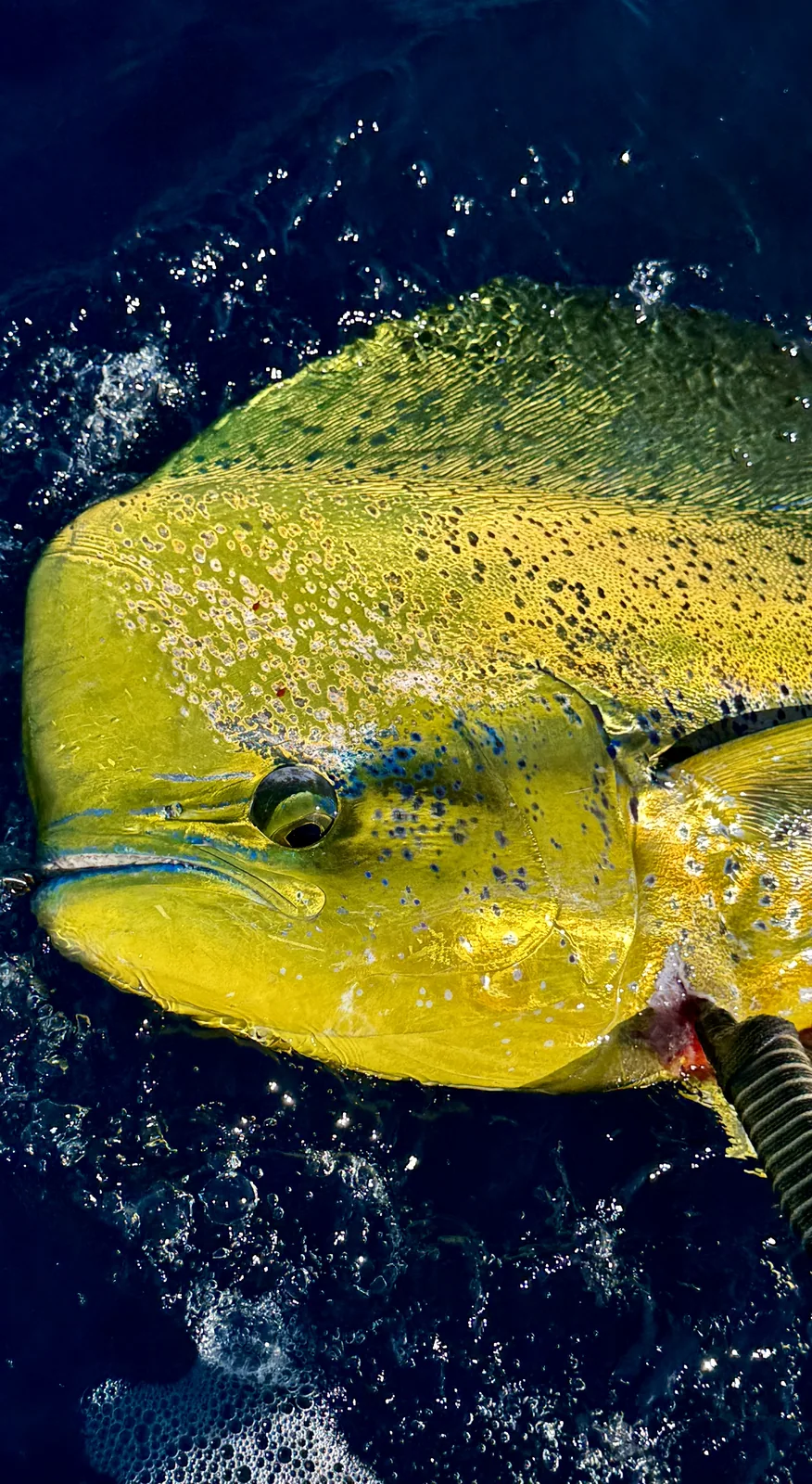
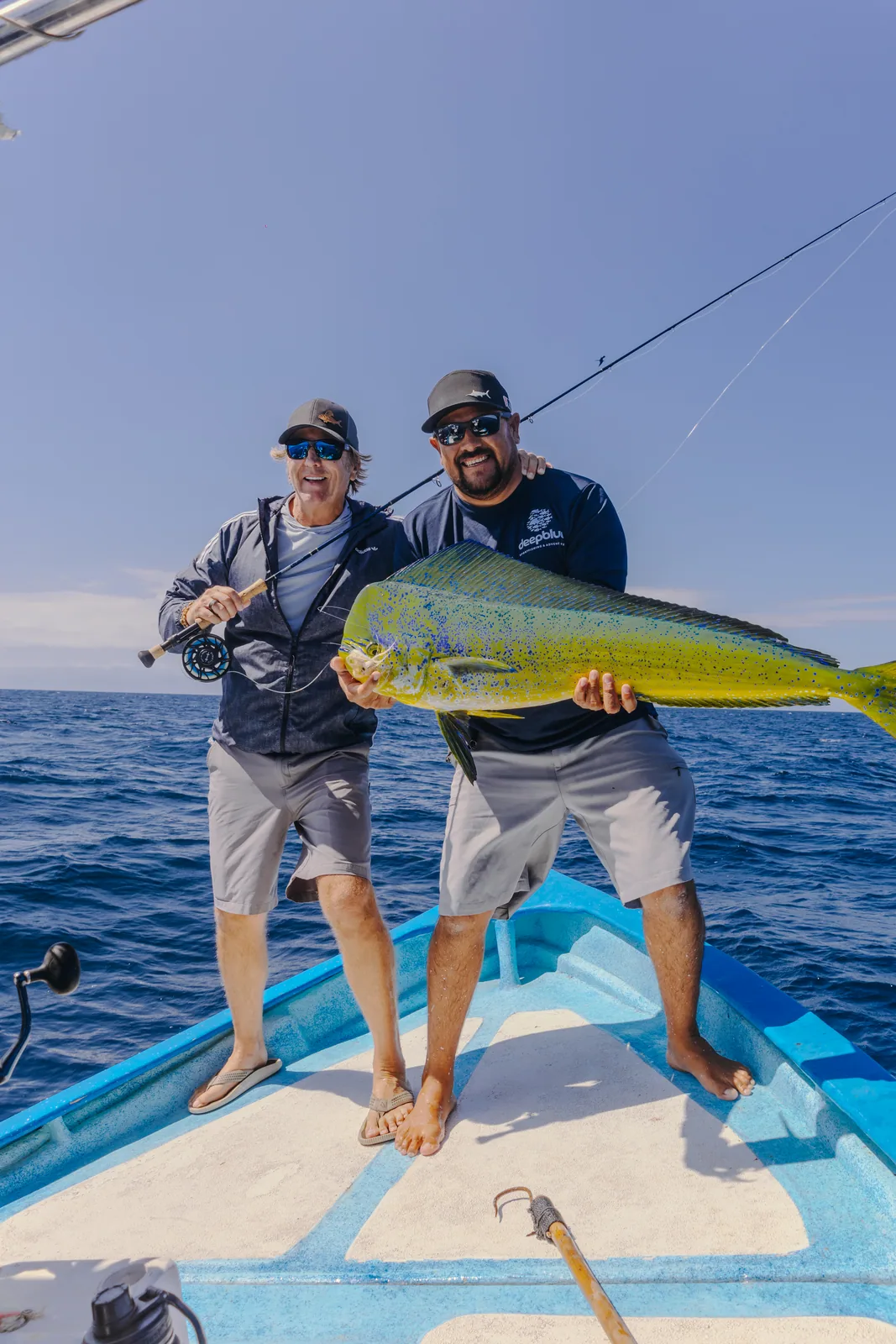
Dorado (Mahi-Mahi) articles
Jul 25, 2025 · 4 min read
Top Lures for Marlin, Tuna, and Dorado in Baja Waters
Top Lures for Marlin, Tuna, and Dorado in Baja Waters. We know the market is flooded with options — but we only stock what we've tested and..
May 19, 2025 · 2 min read
Dorado Frenzy: Multi-Day Mahi-Mahi Action in Cabo's Summer Waters
Multi-Day Mahi-Mahi Action in Cabo. During the warmer months, these fish become incredibly abundant off the coast of Cabo.
Feb 25, 2021 · 2 min read
Dorado Fishing Tips In Cabo
Are you looking to improve your fishing skills? Here are some useful tips when Dorado fishing.