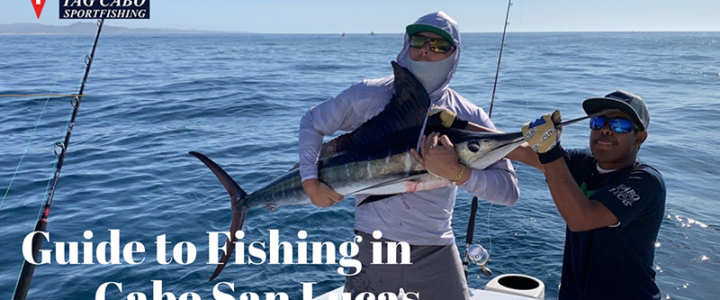
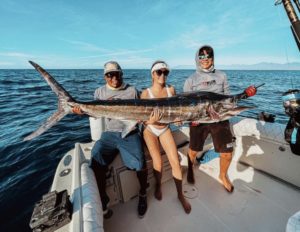
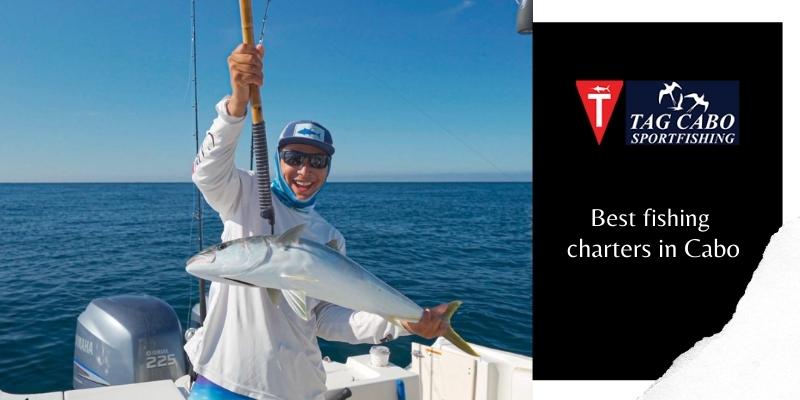
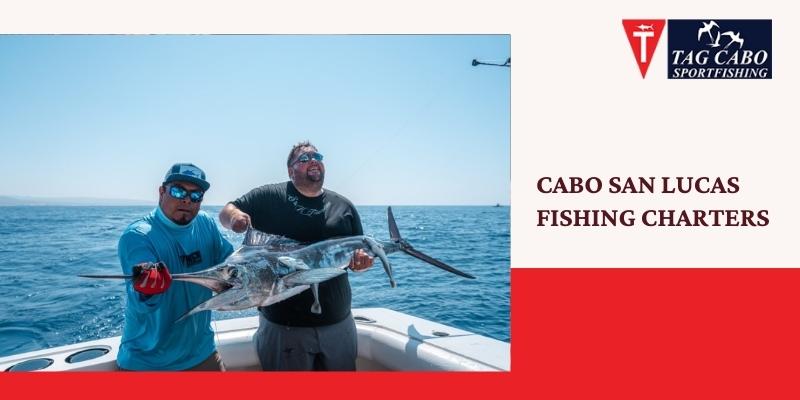
Now that the chill of winter is starting to fade, switched on anglers are gearing up to chase some of the fastest and toughest fighting fish in Cabo San Lucas waters. April sees the return of warmer currents along the Coast of Los Cabos and with these warmer currents we see a run of very sought after sports fish.
Species like dolphin fish (dorado), yellowfin tuna, wahoo and striped marlin start congregating in some of our closer inshore reefs giving those with a capable boat and appropriate safety gear the opportunity to wrestle with some of our favourite string pullers.
These fish have a reputation for being fussy. Often they’re feeding on small bait fish and that creates a problem for lure casters. Find out what they’re eating and match it with a realistic lure in terms of length, shape and colour. There are plenty of metals and plastics on the market that match baitfish of all shapes and sizes.
Find the fish
Everyone knows birds signal feeding fish, but it doesn’t end there. Many pelagics, depending on the species and bait, are clean eaters and don’t attract the frenzy of birds that often follow schools of tailor or tuna. You’ll need to watch for subtle signs of fish on the surface; a small splash or shimmer of bait can often indicate the presence of a larger school of fish. Good observation skills equals more fish.
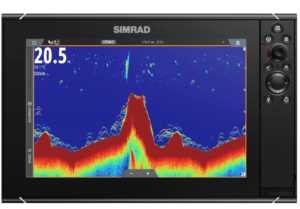
Use your sounder
While topwater action is fun, sometimes the fish don’t cooperate and will feed deep down. That’s when a quality fish finder and knowing how to use it is important. Look for bait and fish, and drop your lure down deep while waiting for the fish to resurface.
Nothing scares topwater feeders more than a noisy boat. Keep your distance and respect other fishos. Don’t ever drive or troll through a school of feeding pelagics. Note the direction they’re feeding and intercept them at a distance. This is where good casting skills help catch more fish.
High speed?
Many of these fish will respond to slower retrieves. Casting and cranking flat out may work, but offering a slow sinking plastic or slowly retrieved metal can prove just as deadly. Experiment with different retrieves until you crack the code.
A deep-sea angling charter adventure is one of the best ways to enjoy the excitement of the open ocean and the incredible wildlife that inhabits it. Several of these deep-sea species are simply too far away to be seen from the coast. In such cases, you can opt for the best fishing charters in Cabo to access these deep waters.
A deep-sea angling charter excursion allows you to pit your reel against many of the ocean’s most ferocious predators while being accompanied by a professional crew. You’ll get to witness how it’s done & develop an interest in deep-sea fishing as a result.
We’ve put up a list of things you may plan on a chartered deep-sea angling excursion to satisfy your desire for the open sea. Much of it will be determined by what you’re seeking. Don’t forget to allow a place in your thoughts for amazing natural wonders with Cabo San Lucas fishing charters.
5 Pieces of Must-Have Safety Gear for Your Fishing Charter
1. Life jackets &wearable personal flotation devices (PFDs)
A PFD (Type I, II, or III) that is easily accessible and worn must be present for each person on board. A PFD is also required if you’re pulling a skier or just have a wake-surfers behind the boat. Kids below the age of 12 should always take extra precautions when they are on a moving charter. They should always wear a life jacket. Similarly, anyone driving a personal watercraft (PWC) should always wear a life jacket.
In the event of an emergency, the very first thing you need to do is make sure that all travelers onboard put on their life jackets right away. If you want to be proactive, you may propose that everyone onboard put them on right there at the dock before departure. Your pet should also wear a lifejacket, even if it isn’t needed.
In addition to your life jackets, you’ll need to have at least one Type IV floating device to throw to someone in the water if they get into trouble. It can be a ring buoy, a cushion, or any other device. Some of this equipment may include a line that can be used to draw someone nearer to the boat & eventually out from the water.
Extinguishers are available in a wide range of types and categories. However, to keep things simple, boats under 26 ft (including PWCs) likely require 1 B-1 type extinguisher. Boats 26 to just below 40 feet require 2 B-1 types or 1 B-2 type. Discuss how to use an extinguisher with your family & guests: Pull the pin out, squeeze the handle, and aim at the flames’ base.
4. Devices for visual signaling
Visual distress signs exist in several packages, and the size of the vessel & even the state where you can go boating have various regulations. On boats under 16 feet, flares or nighttime signals are essential. Boats with a length of more than 16 feet must have visible signals for day & night use.
Orange or white smoke, as well as aerial light flares, are types of pyrotechnic devices that would qualify. Many flares can be fired without the need for a flare gun, whereas others do. A strobe light is another nighttime gadget, while flags are used during the day. PWCs are not allowed to function between sunset and sunrise. Thus, nighttime equipment isn’t necessary.
5. Devices that emit audible signals
Sounds can summon help at any moment of day or night. They are incredibly useful in fog. Horns and whistles are regarded as sound-generating devices for all boats, whether portable or stationary. In situations of poor visibility, such as fog, larger vessels (above 39 ft) should also include a bell that can be sounded at frequent intervals.
12 Pieces of Boat Safety Equipment You Should Have
Some of these items may be necessary or just recommended regardless of the type of watercraft that you do & where you do it. In any case, you can fit most of these on even the tiniest of boats.
First aid kit for scrapes, seasickness, cuts, or any other emergencies
To call for assistance, carry your cell phone.
To dewater & stay afloat, make sure to keep a bailing device or a bucket.
If the motor fails, use oars or paddles.
VHF radio to seek help
While you wait for assistance, anchor along with a line to keep your boat in place.
Heavy-duty flashlight
Snorkel mask to look under the boat and see what’s going on.
A knife to cut the line around a jammed propeller
Down flag for skier or diver
Your boat must have working running lights
On a lake, weather can change quickly, and that’s why you need to get weather updates
Conclusion:
Whether you’re fishing, wakeboarding, day cruising, diving, skiing, or overnighting on your boat, don’t forget to bring the necessary safety equipment. If you have it on board, make sure it’s in proper working order by inspecting it regularly. This article should address some of your queries concerning fishing charter safety equipment.
Are you looking for a safe fishing excursion in Cabo? Tag Cabo Sport Fishingcan enhance your experience whether you are in Cabo for whale viewing or just want to try your luck at sport fishing. Tag Cabo Sportfishing not only assists you in locating the ideal fishing site but also in having your fishing experience even better. In case you need any help or information, please mail us attagsportfishing@gmail.com
It’s not always easy to catch fish. You’ll need the appropriate circumstances, as well as the right combination of patience, expertise & skill. Having a little luck never hurts either. However, you can’t make a fish bite. The right equipment & tackle are necessary for catching the big one. If you are vacationing in Cabo San Lucas and have yet to go fishing, opt for Cabo fishing charters.
DOES THE QUALITY OF A FISHING ROD MATTER?
The basis of your entire fishing setup is a decent fishing rod. Quality is important, but so is choosing the correct rod. You can’t throw an old Bass rod & expect to catch a Marlin, just like you wouldn’t drive an SUV to NASCAR.
With so many different varieties of fishing poles to pick from, how do you know which one is suitable for you? That is just what you will discover today.
A fishing rod is amongst the most important (and obvious) items on any angler’s kit list. These poles assist anglers in getting their baits & hooks into the water, mostly with precision, distance, and power.
However, not all rods are equal & certain types of rods are better suited to specific types of anglers. With these pointers in mind, you’ll be well on the journey to selecting the best fishing rod in your next outing on the water.
If you want to rent a charter for fishing, or you want to learn the basics of fishing rods, go for Cabo San Lucas fishing charters.
COMPONENTS OF A FISHING ROD
You should understand the main elements of the fishing rod before deciding on the length and type you want. These parts are essentially universal, with just minor variations depending on the type of fishing rod.
When it comes to sailing and angling, no other charter company can give you a better time out in the deep blue than Cabo San Lucas fishing charters.
HANDLE
The handle, which starts at the bottom of the fishing rod, is where you will naturally hold the pole. Handles are often composed of cork / EVA foam for just a pleasant, long-lasting grip, and they come in a variety of lengths. Longer handles are generally better for long casting since they let you use both hands to carry greater weight.
Anglers that want to make smaller casts, cast by one hand, or learn the skill of roll casting will benefit from shorter handles. Anglers should also search for split grip or pistol grip handles.
These are popular among bass fishermen and can help keep the main rod weight under control for shorter casts using lighter baits.
REEL SEAT
The reel seat can be found as you move up the rod. This is where you set up your reel by slipping the reel foot into the collar and tightening them to prevent any play or wobble. Make sure you learn to choose a good fishing reel such that your entire angling setup is solid.
THE BLANK & GUIDES
The blank is the main shaft section of your fishing rod. The instructions, which are the circular bits that the fishing line is looped through for additional control, run along with the blank. The guides are linked to the rod’s windings and are composed of plastic, metal, or ceramic materials.
On casting-style rods, the guides are located on the top (facing the sky). On spinning rods, the instructions are on the bottom. The tip of your rod, which is also the thinnest & most flexible part of the rod, is the final guidance in the sequence.
FERRULES
You’ll have two ferrules if the rod is collapsible: one male & one female. This is where the rod will join together so that you can use it properly. Make sure the guidelines line up when joining the two sections so that the line does have a straight plane of motion.
If you want to go fishing on your trip, Cabo fishing charters will take care of everything so you can relax and have fun on your trip.
HOW TO SELECT ROD LENGTH
You can start determining which pole best suits your fishing technique. Now that you understand all the basic elements and sections of your fishing rod, you should be able to pick your own fishing rod. Rod length refers to the distance between the end of the handle and the tip of your rod. The quality of your casting depends on it.
Smaller fishing rods cast shorter distances, whereas longer fishing rods cast longer distances. However, each variety serves a certain purpose. Anglers can gain from employing a shorter fishing pole in instances where close contact is required.
Shorter lengths are also more bendable than lengthier options, which can benefit when fighting fish. Long fishing rods excel at casting long distances, which makes them ideal for reaching more water & fishing deeper.
Normally, fishing rods range from six to twelve feet in length. Therefore, consider the kind of angling you plan to conduct, the species you’re pursuing, and your fishing area when choosing a length. Beginner anglers should aim for a length of around 7 feet. As novices fine-tune their skills, this size may help them to have a balanced quantity of casting distance & accuracy.
ROD MATERIALS TYPES
Fishing rods can be made of graphite or fiberglass. Because of their rigidity and fighting abilities, advanced fisherman chooses graphite rods. They can detect bites much more easily due to their sensitivity. However, keep in mind that graphite is more fragile than other materials.
Fiberglassis a more durable material for fishermen. However, the extra strength comes at the cost of added weight. The longevity of fiberglass rods & their low maintenance requirements make them ideal for beginning anglers. Anglers pursuing larger, more violent species such as muskellunge and pike use fiberglass.
Composite variants that blend fiberglass and graphite are also available. This combo can complement your style if you are a fisherman who prefers one rod for numerous conditions.
To identify which resource can be an addition to your fishing talents, consider your level of skill and preferred fishing tactics.
Cabo fishing charters are here to provide you with experience & pieces of equipment for a fun fishing trip.
HOW TO CHOOSE THE CORRECT ROD POWER?
Power is a rod’s capacity to bear pressure, which is directly connected to rod action. Larger fish require heavier rods, whereas smaller fish require lighter rods.
Using the same rationale, use heavier lines for heavier rods and lighter lines with lighter rods. There’s some wiggle room here, but you should try to stick to the markings on the rod blank as closely as possible. The line may snap if you use a hefty rod. A line that is too hefty may cause the rod to break.
Please remember that a strong offshore rod & a strong Bass rod are not the same things. One could be classified for a 25-pound line, while the other could be rated for an 80-pound line.
CONCLUSION
It’s not easy to know how to pick a fishing rod. There’s a lot to think about, especially if this is your first time buying one. The best part is that knowing what you want to do with your rod will save you a lot of guessing. The rest, we think, has been clarified by this article.
Have you been planning to go fishing? Here at Tag Cabo Sportfishing, we will help you understand the basics of fishing rods so that you will have a fun experience while fishing. Tag Cabo Sport Fishing not only helps you find the best spot for fishing but also helps in making your fishing experience more fun. In case you need any help, please mail us at tagsportfishing@gmail.com.
Taking Cabo San Lucas fishing charters out onto the wide ocean to taste the excitement of deep-sea fishing is a great way to have a good time. It’s a unique opportunity to bond with friends & family. You can also do something out of the ordinary, & experience some open seas adventure.
Fishing charters are enjoyable for the entire family, but accidents can occur if safety precautions are not taken. Moreover, it is important to be aware of charter boat safety precautions to have a good time on the best fishing charters in Cabo.
Safety Tips That You Should Follow While Boarding A Cabo fishing charters
Every boater & angler has a responsibility to ensure their safety. Because of the size & strength of several sport fish species, offshore fishing vacations may be a thrilling challenge. Moreover, deep-sea fishing entails preparing for harsh circumstances. Well, if you decide to embark on a deep-sea fishing charter, alw ays listen to your captain’s directions.
Always observe safe boating rules & deep-sea fishing safety advice to ensure that your memories on the ocean are enjoyable. Here are some pointers that will help you stay safe & comfortable when out on the sea with Cabo fishing charters.
Dress Right
You expose yourself to varying weather conditions while on a fishing charter. So, it is critical to wear layered clothes, a hat, & lots of sunscreens. Even brief exposure to the sun might result in painful & debilitating sunburns. Also, invest in a nice pair of sunglasses to lessen the glare from the water. Moreover, they’ll also protect your eyes from hooks. Finally, wear shoes that will provide the most grip on a slippery boat, rather than flip flops or open-toed sandals.
Avoid Alcohol
Cabo fishing charter advises that alcohol should not be present on a fishing boat. Even though the individual enjoying the alcoholic drink is not responsible for steering the boat. This is because drunk passengers are more prone to get wounded while on board. It could also cause you to tumble off the boat. It is crucial to remain hydrated while fishing in the heat. Make sure you stick to water & non-alcoholic beverages till you return to the pier.
Take Caution While Handling Tackle
While handling fishing equipment, be in mind that many of these things are sharp & will travel at a fast rate when in use. Look over your back before casting to assure that you won’t hook an item or another person. Avoid leaving your tackle on the floor since it might provide a tripping hazard. Furthermore, never use your fingers to remove an implanted fish hook; instead, use pliers.
Go Fishing with a Seasoned Crew
The skipper & crew of Cabo fishing charters is critical to your wellbeing while out on the sea. A good crew would warn passengers about potential safety hazards before the fishing starts to keep them safe. Moreover, they will also discuss emergency protocol. Finally, examine the condition of the boat to judge the competency of your charter skipper & crew. Well, a good captain will deny operating a vessel that is not safe.
Examine the Weather
Keep an eye on the weather for any changes. Offshore weather conditions may shift unexpectedly. Check the weather on a maritime radio or live radar system to prepare.
Crew members, the port, or family members must be informed about the float trip route. In the event of adverse weather, this personnel can assist the Coast Guard in providing the correct information about your float plan.
Pay Attention to Your Team
The Cabo San Lucas fishing chartersteam is on board to help operate the vessel & ensure your day is enjoyable. Moreover, they also provide fishing advice & assist you in landing the big one. Furthermore, they are also on board to ensure your safety.
Always pay heed to the crew, follow their advice. Make sure you adhere to all on-board safety laws & regulations. These safeguards are in place to ensure the safety of everybody on the fishing excursion.
Follow the Catch & Size Limits.
Angling is something that everyone enjoys with the fishing charters. But, each location has catch restrictions & size criteria to maintain the fish population. Without these limitations, fish populations would decrease, leading to species extinction. Thus, always adhere to the regulations. If the crew believes the catch is too little, return it to the water to survive another day.
Don’t Take the Chance of Getting Seasick
Even the most experienced boaters can become seasick when out on the wide water. Don’t risk having seasickness ruin your special day with the best fishing charters in Cabo. Before you embark on your maritime trip, stop by the pharmacy & get some motion sickness medication.
Conclusion:
Every boater & angler has a responsibility to ensure their safety. Because of the strength & size of several deep-sea sport fish species, offshore fishing can be a thrilling challenge. Moreover, deep-sea fishing also entails being prepared for harsh circumstances. So, we hope you take these safety tips seriously & have a great time.
Do you want to go offshore fishing with your friends and family? Then contact Tag Cabo Sportfishing to organize your vacation. Here, we focus on our clients’ happiness & make certain that we deliver on that promise and more. You may reach us by dialing +52 624.168.9544
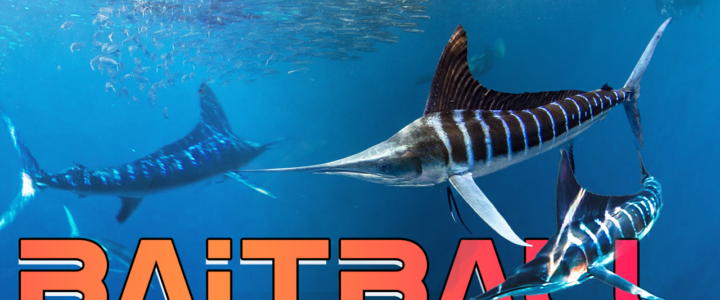
Finger Bank: Although it is a long haul from the Cabo San Lucas marina, about 50 miles, the Finger Bank is one of the best fishing spots on the pacific side of Baja. It is off the coast of Todos Santos on the pacific and is known to be one of the best striped marlin spots in the World when fishing is good. We have release up to 60 billfish during one good day of fishing at Finger Bank.
On this youtube episode we target striped marlins using different techniques like flies, poppers, live bait and dead bait. focus on filming and having a great time using ways that makes it harder to catch them since we can easily release a bunch of them with live bait.
From July to January it’s always a good for fishing, beginner and pro anglers are both out on the seas catching some of the most exciting species at a rate that no other destination can rival. Visitors usually don’t know the top fishing spot around Los Cabo but our crew knows all the secrets spots and one of these top secrets spots are “The Finger Bank”.
Ready to book your own Cabo fishing trip and go to Finger Bank? Tag Cabo Sportfishing has been providing quality fishing charters in Cabo since the 2008. We’re known for having the best charter fleet around, as well as knowledgeable captains to help you make the most of your time on the water. Don’t risk your vacation or waste your time, give us a call or get in touch today.
Eamil us at tagsportfishing@gmail.com or click on the link Finger bank fishing
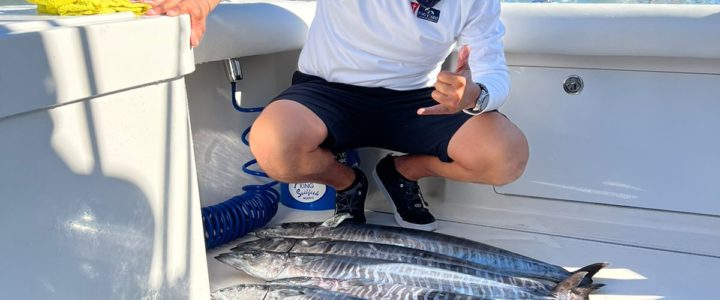
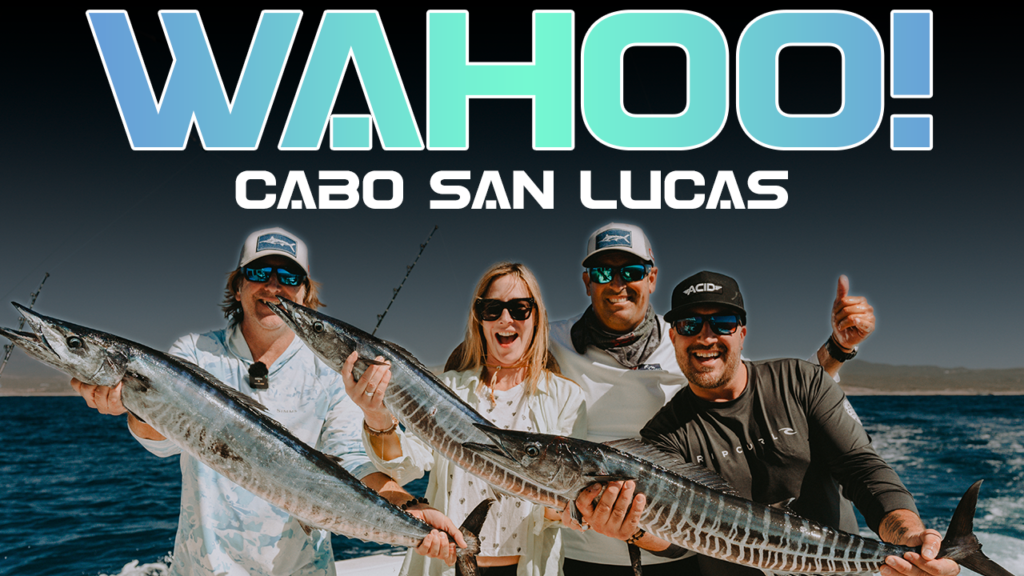
The Wahoo is a global pelagic species found worldwide in tropical and subtropical waters. They are mainly found offshore from the surface to depths up to 295 m (970 feet) but will approach the shore in pursuit of small baitfish when food is abundant. They reach a maximum of 2.5 m (8 feet 2 inches) in length and 83.5 kg (184 lbs) in weight. As of October 15, 2020, the International Game Fish Association world record stood at 83.5 kg (184 lbs) with the fish caught in coastal waters off Cabo San Lucas, Baja California Sur, in July 2005.
Wahoo can be caught all over the world, but in Cabo San Lucas they can be caught on live bait such as mackerel, big eye, ballyhoos, mullet and more. They can also be caught on vertical jigs, and if you find structure floating there is a good chance by dropping a vertical jig down 100 feet or so, the wahoo you are looking for is down there. They are also incidentally caught on a surface-presented kite bait and are a welcomed bycatch while targeting other species such as marlin.
They are a highly targeted gamefish, especially in Mexican waters of the Pacific being prized for their initial burst of epic speed. In Southern Baja, way too much time is spent pursuing Wahoo, primarily for bragging rights, with a very low return on investment.
Watch our videos to get a better Idea of how, when and where wi fish !
Though, wahoo can produce angling adrenaline with their lightning speed, these fish, after a couple of blistering runs, usually come to the boat easily. Unlike with tuna, where the end of the battle is often tougher than the initial strike, wahoo will usually lay up nicely for your gaff. It is important here not to lift the fish’ head out of the water, as the hook may not be implanted properly in the wahoo’s bony mouth, even though you fought the fish all the way to the boat. Though unlikely, I have seen multiple fish simply drop the lure once boat side and swim away unharmed, not having been hooked at all.
To provide the best experiences, we use technologies like cookies to store and/or access device information. Consenting to these technologies will allow us to process data such as browsing behavior or unique IDs on this site. Not consenting or withdrawing consent, may adversely affect certain features and functions.
Functional
Always active
The technical storage or access is strictly necessary for the legitimate purpose of enabling the use of a specific service explicitly requested by the subscriber or user, or for the sole purpose of carrying out the transmission of a communication over an electronic communications network.
Preferences
The technical storage or access is necessary for the legitimate purpose of storing preferences that are not requested by the subscriber or user.
Statistics
The technical storage or access that is used exclusively for statistical purposes.The technical storage or access that is used exclusively for anonymous statistical purposes. Without a subpoena, voluntary compliance on the part of your Internet Service Provider, or additional records from a third party, information stored or retrieved for this purpose alone cannot usually be used to identify you.
Marketing
The technical storage or access is required to create user profiles to send advertising, or to track the user on a website or across several websites for similar marketing purposes.