Why Cabo San Lucas Is One of the World’s Greatest Marlin Destinations

Why Cabo San Lucas Is One of the World’s Greatest Marlin Destinations
Why Cabo San Lucas Is One of the World's Greatest Marlin Destinations

By Arturo Chacón

Few fish inspire anglers like the marlin.

Its size, speed, power, and spectacular aerial displays have made it one of the most sought-after game fish on the planet. For many fishermen, catching a marlin isn’t simply another item on a bucket list—it’s a lifelong dream.

Around the world there are many famous marlin fisheries, including Costa Rica, Australia, Hawaii, Madeira, and the Dominican Republic. Yet year after year, Cabo San Lucas continues to earn its place among the very best.

But what makes this small town at the tip of the Baja Peninsula so special?

The answer lies in geography, oceanography, and decades of responsible sportfishing traditions.


A Unique Meeting Place of Two Oceans

Cabo San Lucas sits where the Pacific Ocean meets the Sea of Cortez.

This unique location creates one of the richest marine ecosystems in North America.

Powerful ocean currents mix nutrient-rich water with warmer tropical currents, creating an environment that supports enormous populations of baitfish, including:

  • Mackerel
  • Ballyhoo
  • Sardines
  • Skipjack Tuna
  • Bonito

Where bait gathers, predators follow.

That natural cycle is one of the primary reasons marlin are found here throughout much of the year.


Deep Water Just Minutes From the Marina

Unlike many destinations where anglers spend hours traveling offshore, Cabo offers another remarkable advantage.

Within only a few miles of leaving the marina, boats can reach water thousands of feet deep.

That means:

  • More fishing time
  • Less travel time
  • Greater flexibility throughout the day
  • More opportunities to adapt to changing conditions

For visiting anglers, this translates into a more productive and enjoyable experience on the water.


Striped Marlin: Cabo’s Signature Species

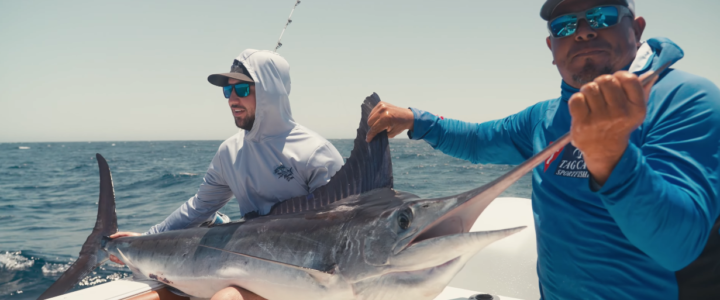
Although blue and black marlin visit these waters seasonally, Cabo San Lucas is perhaps best known for its incredible striped marlin fishery.

Large schools of striped marlin migrate through the region, providing opportunities for anglers during much of the year.

Watching a striped marlin appear behind a teaser before crashing a bait is an experience that few fishermen ever forget.

Their speed, intelligence, and spectacular jumps make every hookup unforgettable.


Blue and Black Marlin

During the warmer months, water temperatures attract larger pelagic species, including blue and black marlin.

These powerful fish are capable of blistering runs and extended battles that test both anglers and equipment.

For many experienced fishermen, landing a blue marlin in Baja California Sur represents the ultimate offshore challenge.


Every Day Is Different

One of the lessons every local captain learns is that no two fishing days are ever the same.

Success depends on reading the conditions.

Experienced crews constantly evaluate:

  • Water temperature
  • Chlorophyll breaks
  • Ocean currents
  • Wind direction
  • Bait activity
  • Bird movement
  • Sea surface conditions

Finding marlin is rarely about luck.

It’s about understanding how all these factors come together.

That’s why many visiting anglers follow the latest fishing reports before arriving. Cabo Sportfishing Magazine regularly publishes seasonal updates, fishing reports, and educational articles that help anglers understand changing conditions and prepare for their trip before ever stepping aboard a boat.


Responsible Sportfishing Matters

One reason Cabo has maintained its reputation as a world-class marlin destination is the strong conservation ethic shared by many captains and anglers.

Catch-and-release practices for billfish have become an important part of preserving healthy marlin populations for future generations.

Every released marlin represents another opportunity for someone else to experience one of sportfishing’s greatest moments.

Protecting these fisheries ensures that Cabo remains one of the world’s premier marlin destinations for decades to come.


Choosing the Right Charter Makes All the Difference

Not every charter operation fishes the same way.

Successful marlin fishing requires more than simply leaving the marina.

It demands experienced captains who understand local conditions, professional crews who can adapt throughout the day, quality equipment, and a commitment to providing every guest with the best possible opportunity.

At Tag Cabo Sportfishing, every trip is customized around the season, current fishing conditions, and your group’s experience level.

Whether you’re hoping to release your very first striped marlin or searching for a trophy blue marlin during peak season, our experienced captains work every day to put anglers in the best possible position for success.

From premium tackle and tournament-quality boats to personalized service and local knowledge developed over years on the water, our goal is simple:

To deliver an unforgettable Baja sportfishing experience.


More Than Just Catching Fish

Some of the most memorable moments of a marlin trip happen before or after the hookup.

Watching humpback whales breach on the run offshore.

Seeing hundreds of dolphins surrounding the boat.

Watching sea lions patrol the bait schools.

Experiencing spectacular Baja sunrises over the Sea of Cortez.

These moments remind us that marlin fishing is about much more than the photograph at the end of the day.

It’s about experiencing one of the richest marine environments on Earth.


Final Thoughts

There are many places around the world where you can catch a marlin.

Very few offer the combination of accessibility, year-round opportunities, experienced captains, incredible marine biodiversity, and breathtaking scenery that you’ll find in Cabo San Lucas.

Whether you’re planning your very first offshore adventure or returning to chase another billfish, every trip offers something different.

The ocean is constantly changing.

The fish are always moving.

And every sunrise brings another opportunity to experience why Cabo San Lucas has earned its reputation as one of the world’s greatest marlin destinations.

When you’re ready to experience it for yourself, the best preparation begins with understanding the fishery—and the best adventures begin with the right crew beside you.
The Complete Guide to Fishing in Cabo San Lucas

The Complete Guide to Fishing in Cabo San Lucas

A Local Captain’s Guide to One of the Best Sportfishing Destinations in the World

Cabo San Lucas has earned a global reputation as one of the best sportfishing destinations in the world. Located at the southern tip of the Baja California Peninsula, Cabo sits at the meeting point of the Pacific Ocean and the Sea of Cortez, creating an ocean environment rich in baitfish and large pelagic species.

For more than 16 years, local captain Arturo Chacón, owner of Tag Cabo Sportfishing, has explored these waters and helped anglers from around the world experience the incredible fishing opportunities that Los Cabos offers year-round.

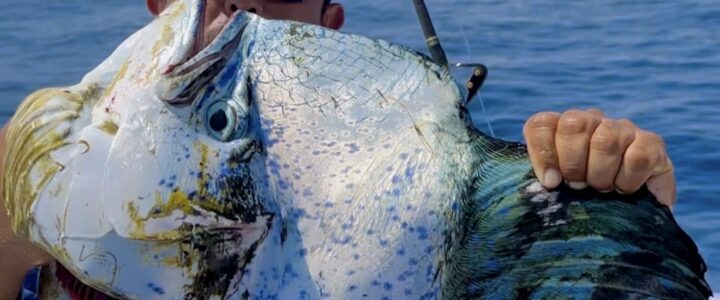
Whether you are targeting striped marlin offshore, roosterfish along the beaches, or dorado near floating debris, Cabo San Lucas offers a fishing experience that few places in the world can match.

The Complete Guide to Fishing in Cabo San Lucas

Why Cabo San Lucas Is One of the Best Fishing Destinations in the World

One of the unique characteristics of Cabo fishing is the incredible diversity of species available throughout the year.

Thanks to the interaction between the Pacific currents and the warm waters of the Sea of Cortez, anglers can target both offshore pelagic species and inshore game fish within relatively short distances from the marina.

Some of the most popular species caught in Cabo include:

  • Striped Marlin
  • Blue Marlin
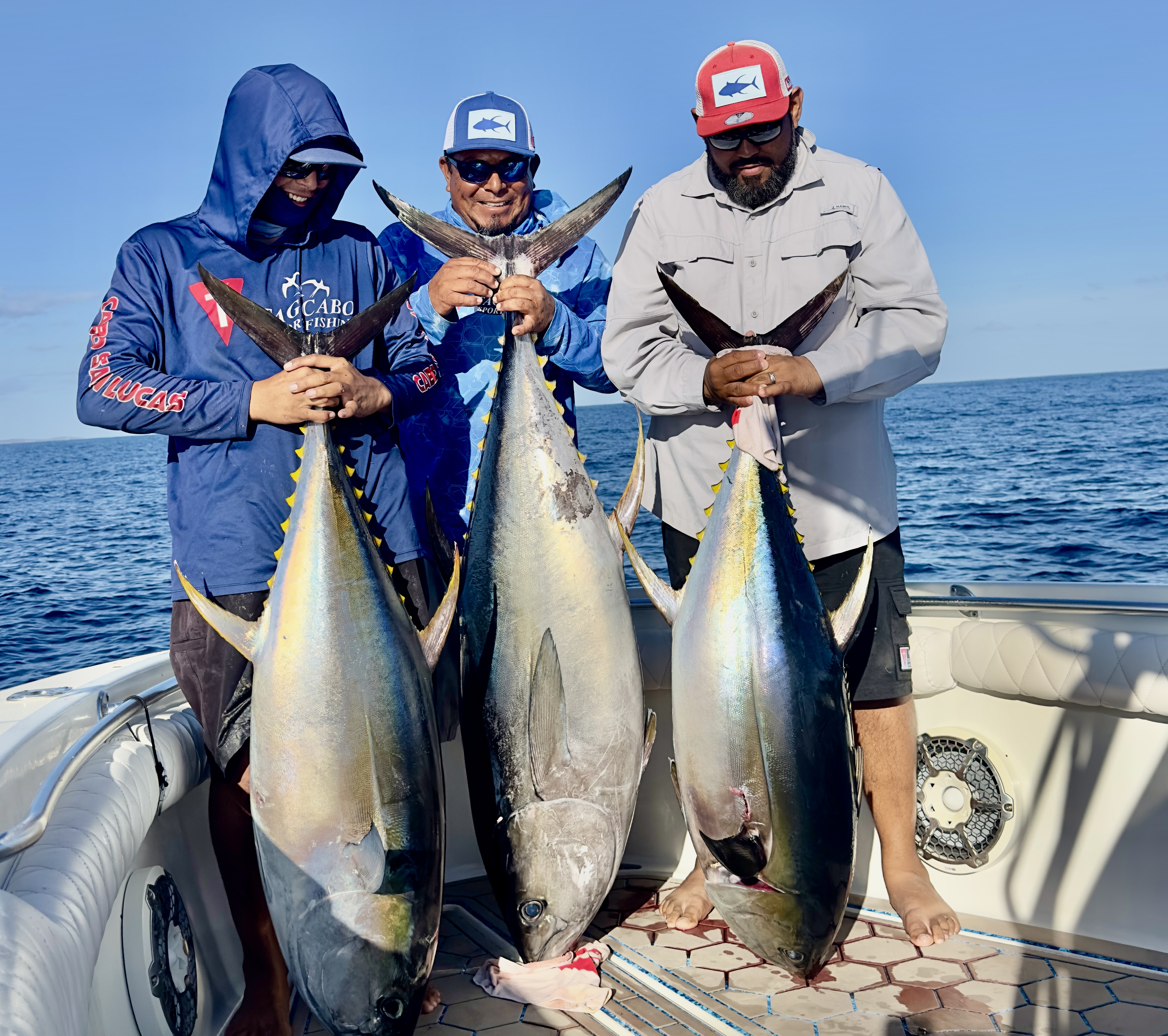
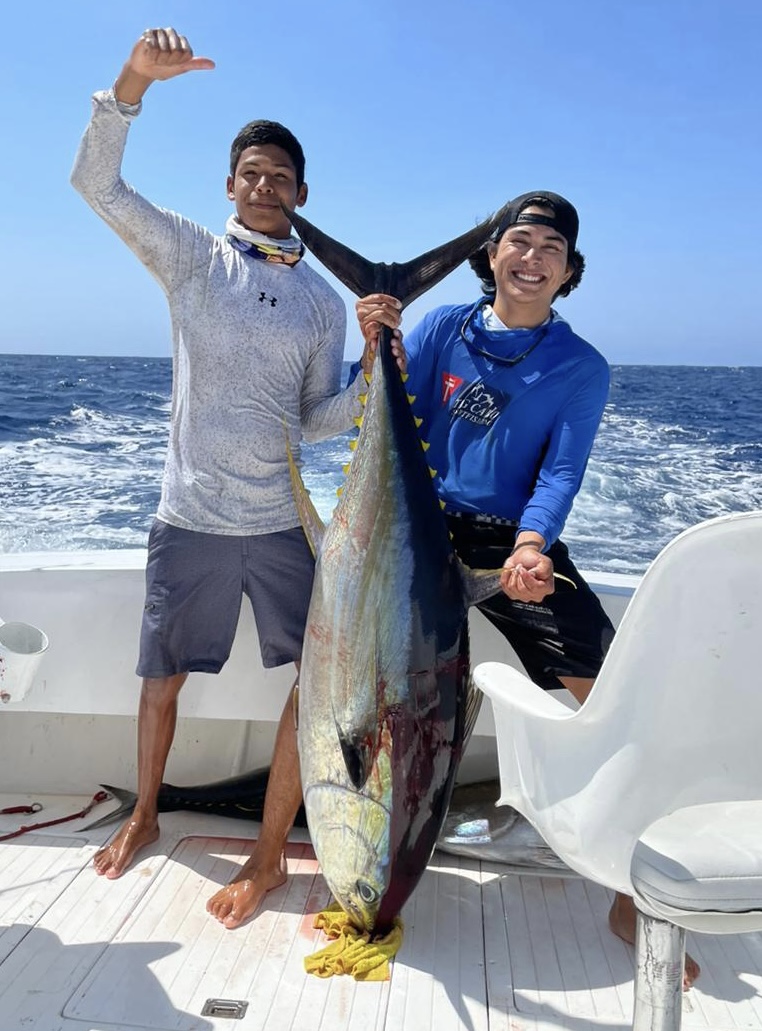
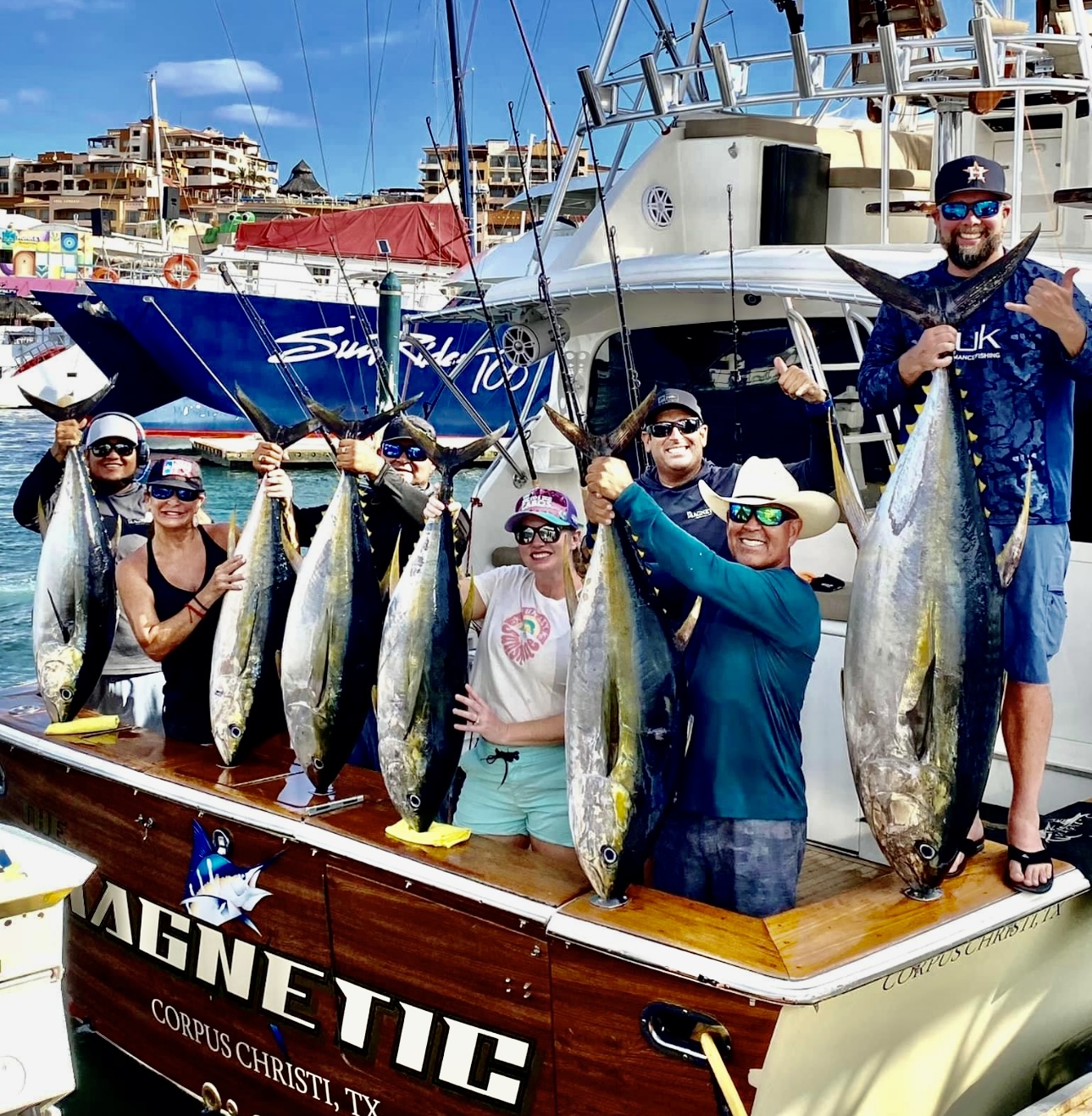
  • Yellowfin Tuna
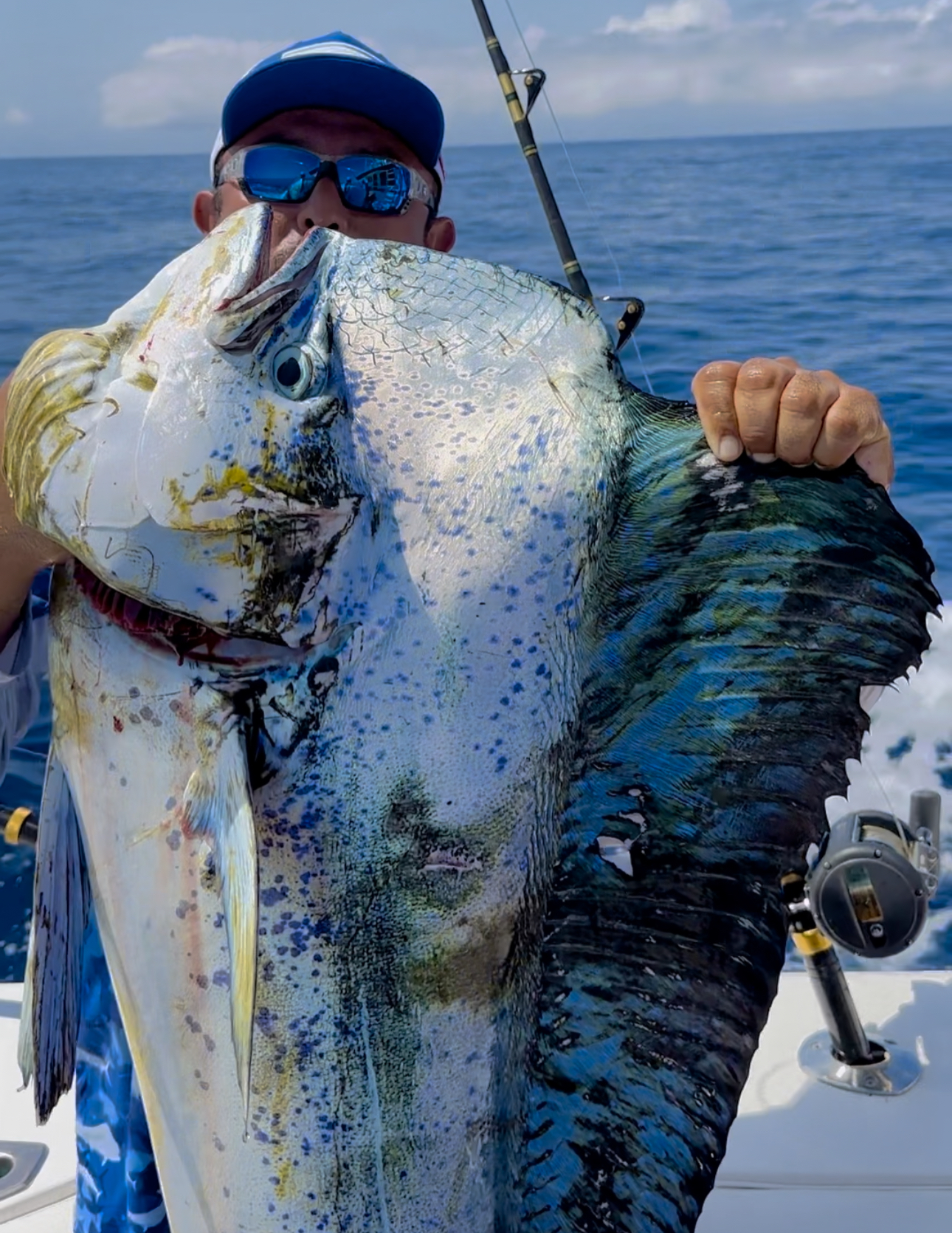
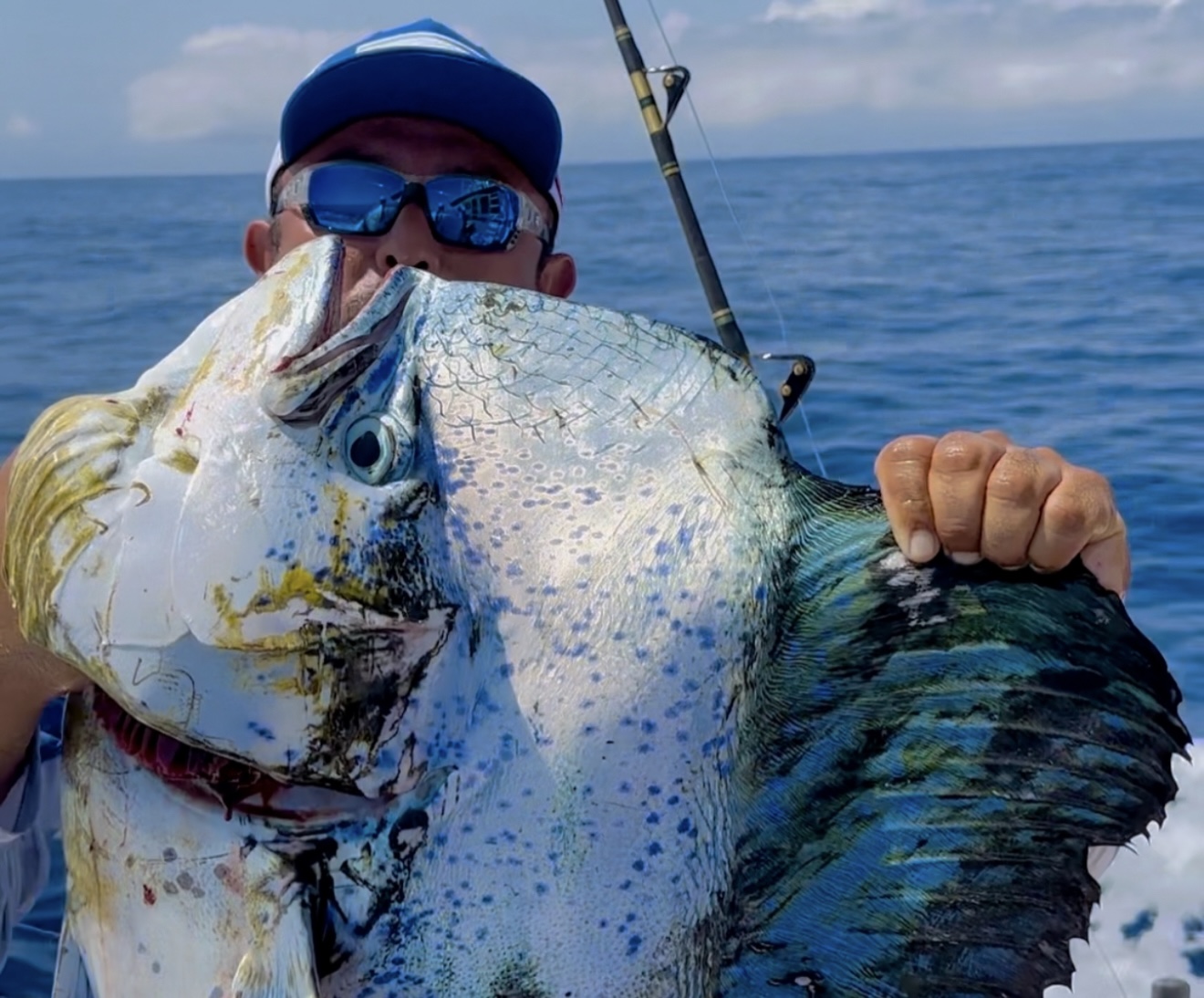
  • Dorado (Mahi-Mahi)
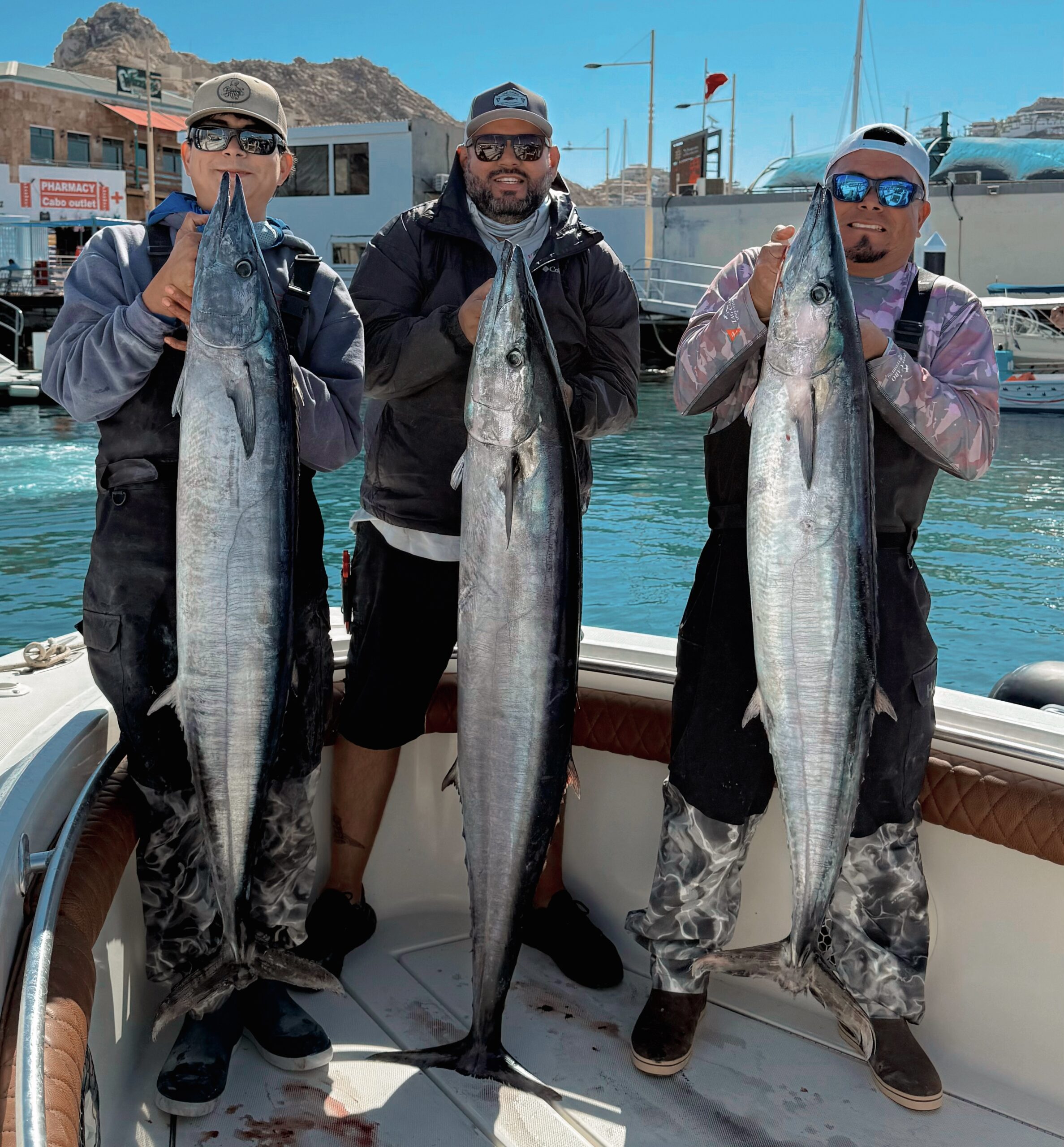
  • Wahoo
  • Roosterfish
  • Snapper
  • Grouper and Cabrilla

The deep underwater canyons and fishing banks located just offshore also make Cabo one of the few places where anglers can reach world-class fishing grounds in less than an hour.


The Best Fishing Spots in Cabo San Lucas

Over the years, several fishing grounds around Cabo have become famous among anglers.

Finger Bank

Located about 45 miles offshore, the Finger Bank is known for producing large yellowfin tuna and striped marlin. This underwater structure concentrates baitfish and attracts large predators.

Gordo Banks

Situated toward the Sea of Cortez side near San José del Cabo, Gordo Banks is a productive area for tuna, marlin, and bottom species.

Punta Gorda

Punta Gorda offers a mix of inshore and offshore fishing opportunities, making it a great place to target roosterfish, dorado, and tuna depending on the season.

San Luis Bank

San Luis Bank is another well-known fishing ground where temperature breaks and bait concentrations often attract marlin and tuna.


Inshore Fishing in Cabo

While Cabo is famous for offshore fishing, the inshore fishing can be equally exciting.

Anglers fishing close to the beaches and rocky structures can target species such as:

  • Roosterfish
  • Jack Crevalle
  • Snapper
  • Sierra Mackerel
  • Cabrilla (grouper)

Roosterfish fishing along the beaches of the East Cape and areas like Agua Amarga has become especially popular among fly fishermen and light tackle anglers.


Offshore Fishing in Cabo

Offshore fishing is where Cabo truly shines.

Many anglers travel from around the world specifically to experience marlin fishing in Cabo San Lucas.

Striped marlin are available for much of the year, and during peak seasons anglers can experience multiple marlin encounters in a single day.

Other offshore species commonly targeted include:

  • Yellowfin tuna
  • Dorado
  • Wahoo
  • Sailfish

The abundance of baitfish and favorable ocean currents make Cabo one of the most consistent big-game fishing destinations anywhere in the world.

The Ultimate Guide to Sportfishing in Cabo San Lucas

When Is the Best Time to Fish in Cabo?

One of the biggest advantages of Cabo is that fishing is productive year-round.

Different seasons bring different species, allowing anglers to plan trips based on their target fish.

Some of the best fishing seasons include:

Spring
Excellent roosterfish fishing along the beaches and strong striped marlin activity offshore.

Summer
Prime time for dorado, tuna, and blue marlin.

Fall
One of the most productive seasons for big tuna and marlin.

Winter
Great striped marlin fishing and exciting bottom fishing opportunities.


Technology and Modern Fishing Techniques

Modern sportfishing in Cabo combines traditional fishing knowledge with advanced technology.

Captains often use tools such as:

These tools help locate productive fishing zones and improve the chances of finding fish.

Many professional captains, including the team at Tag Cabo Sportfishing, regularly analyze ocean data to locate temperature breaks and bait concentrations where predators are likely to feed.


Fishing with Tag Cabo Sportfishing

Tag Cabo Sportfishing offers a variety of fishing charters designed to help anglers experience the best fishing that Cabo San Lucas has to offer.

Trips can be customized depending on your fishing goals, whether you want to target striped marlin offshore, roosterfish along the beaches, or tuna at offshore banks.

With experienced crews and well-equipped boats, anglers can enjoy a professional fishing experience guided by local knowledge of Cabo’s most productive fishing areas.


Plan Your Fishing Trip to Cabo

If you are planning a fishing trip to Los Cabos, choosing an experienced local captain can make a huge difference in your success on the water.

Understanding seasonal fish movements, ocean conditions, and local fishing grounds allows anglers to maximize their chances of catching fish.

Cabo San Lucas offers incredible fishing opportunities year-round, making it one of the most exciting sportfishing destinations anywhere in the world.


If you would like to experience fishing in Cabo San Lucas with a knowledgeable local crew, visit Tag Cabo Sportfishing to explore our fleet and available fishing charters.

Our team is ready to help you plan an unforgettable fishing adventure in the waters of Baja California Sur.

Recommended Internal Links

The Prime Time for Sport Fishing in Los Cabos

The Prime Time for Sport Fishing in Los Cabos


Whats the Prime Time for Sport Fishing in Los Cabos: A Seasonal Guide

Los Cabos, known for its stunning landscapes and prime deep-sea fishing grounds, is a haven for anglers looking to catch some of the most sought-after game fish in the world. Whether you’re a seasoned pro or a novice with a rod and reel, knowing the best times to cast your line for specific species can make all the difference. Here’s your seasonal guide to catching the top sport fishes in the waters of Los Cabos.

Striped Marlin

Best Months: November to April

Regarded as the “peak marlin season,” these months see a significant migration of striped marlin to the bountiful waters of the Sea of Cortez. Their numbers peak in winter, making them a common prize for trophy hunters.

Blue Marlin

Best Months: June to October

The warmer months are prime for hooking the mighty blue marlin. Although they’re around all year, summer into fall is when these beasts, which can weigh hundreds of pounds, are most active and abundant.

Black Marlin

Best Months: August to October

These elusive giants are more common when the water temperatures are at their warmest. Fish over 500 pounds are frequently caught during these months, particularly around the offshore banks.

Swordfish

Best Months: January to March

Swordfish prefer cooler waters, and sightings increase during the late winter and early spring. Nighttime fishing is particularly effective for these deep-water dwellers.

Sailfish

Best Months: July to November

Sailfish thrive in warm waters, and their high-speed antics are a spectacular sight during the late summer and fall months. They are often found in the company of dorados (mahi-mahi).

Yellowfin Tuna

Best Months: August to October

The larger specimens, often weighing over 200 pounds, are more frequently caught as the water warms. These powerful swimmers are a challenge for any angler and are renowned for their fighting spirit.

Wahoo

Best Months: September to November

Speed and precision are the hallmarks of wahoo fishing. The cooling waters of fall bring these fast predators closer to shore, where they’re often caught on high-speed lures.

Dorado (Mahi-Mahi)

Best Months: May to October

The dorado’s vibrant colors make it a favorite among anglers. They’re more plentiful during the warmer months, following the currents and floating debris they favor for cover.

Yellowtail

Best Months: February to April

The cooler months of late winter and early spring see the yellowtail amberjack make their presence known, especially for those fishing near the rocky shores and reefs.

Cubera Snapper

Best Months: June to October

These bottom-dwellers are most active during the summer. Night fishing can yield great results, with larger snappers coming out to feed in the shallows.

Grouper

Best Months: January to March; November to December

Groupers are year-round residents but are easier to catch during the cooler months. These heavy hitters are known to hang around rocky bottoms and reefs.

Roosterfish

Best Months: April to October

Roosterfish are a nearshore species easily identified by their distinctive dorsal fins. Spring and summer are ideal for catching these unique fish, especially using live bait.

Sierra (Spanish Mackerel)

Best Months: December to March

These smaller game fish are prolific during the winter months and can provide non-stop action for light-tackle enthusiasts.

The Prime Time for Sport Fishing in Los Cabos

In conclusion, Los Cabos offers a year-round fishing calendar that is as diverse as it is thrilling. No matter what time of year you visit, the deep blue waters promise an adventure that is sure to reel you in. Remember to respect the local fishing regulations and practice catch and release when possible to ensure these species thrive for generations to come. Happy fishing!

Cabo Sportfishing: Timing Your Saltwater Adventure Around Rainfall

Cabo Sportfishing: Timing Your Saltwater Adventure Around Rainfall

When it comes to sportfishing, Cabo San Lucas offers an unparalleled experience. The area is rich in marine life, and the conditions are often perfect for a day out on the water. But one question many anglers have is: When is the best time to go fishing in Cabo—before or after it rains? In this blog, we dig deep into Cabo sportfishing, focusing on how rainfall affects the fish and your chances of making a great catch

The Importance of Weather in Cabo Sportfishing

Weather can play a pivotal role in determining your success in sportfishing. In Cabo San Lucas, known for its sunny climate and rich marine biodiversity, rain isn’t too common but does occur. When it does, it can have both positive and negative impacts on your fishing experience.

Cabo Sportfishing

Fishing Before the Rain in Cabo

Pros:

  1. Feeding Frenzy in Cabo Waters: Just like in other saltwater regions, fish in Cabo sense the drop in barometric pressure that precedes a storm. This can trigger a feeding frenzy, making it an excellent time for sportfishing.
  2. Clear Waters for Cabo Sportfishing: The Sea of Cortez and the Pacific Ocean surrounding Cabo are known for their clarity, which is often at its peak before a storm, making it easier for species like marlin and tuna to spot your bait.
  3. Predictable Fish Behavior: Whether you’re after dorado, yellowfin tuna, or wahoo, you’ll likely find them in their usual haunts before a rainstorm in Cabo.

Cons:

  1. Limited Time for Fishing in Cabo: A fast-approaching storm can cut your sportfishing adventure short.
  2. Cabo Sportfishing Safety Concerns: As with any saltwater fishing location, safety is paramount. Cabo San Lucas can experience strong winds and rough seas as a storm approaches.

Cabo Sportfishing

Fishing After the Rain in Cabo

Pros:

  1. Nutrient Boost in Cabo Waters: Rain can wash nutrients into the oceans around Cabo, attracting schools of baitfish, which in turn lure in predators like marlin and sailfish.
  2. Refreshing Conditions for Cabo Sportfishing: The air and water may cool down after a rain, encouraging fish to move to shallower waters.
  3. Enhanced Environment: Rain can oxygenate the water around Cabo, providing a more hospitable environment for fish.

Cons:

  1. Murky Conditions: Even in the clear waters of Cabo, rain can churn up sediment, reducing visibility for both anglers and fish.
  2. Unpredictable Behavior: After a storm, Cabo’s usual hotspots for sportfishing may not be as productive.
  3. Debris in Cabo Waters: Rain can wash debris into the sea, complicating your Cabo sportfishing experience.

Cabo Sportfishng

The Verdict: Be Versatile and Informed

So, is it better to go sportfishing in Cabo San Lucas before or after the rain? There’s no definitive answer. Each option has its pros and cons, largely depending on what you’re looking to catch. Here are some final tips tailored for Cabo sportfishing:

  1. Cabo Sportfishing Safety: Always check weather forecasts and sea conditions before heading out.
  2. Know Your Cabo Fish: Whether you’re targeting marlin, tuna, or dorado, understanding their behavior can give you an edge.
  3. Flexible Cabo Sportfishing: Conditions can change rapidly, so be prepared with a range of baits and lures.
  4. Local Knowledge: Consult with Cabo San Lucas sportfishing experts for the latest tips and updates on where to fish, especially after a rainfall.

Whether you decide to embark on your Cabo sportfishing adventure before or after the rain, remember that each trip offers unique opportunities to learn and enjoy the richness of the Cabo San Lucas waters. Happy fishing!


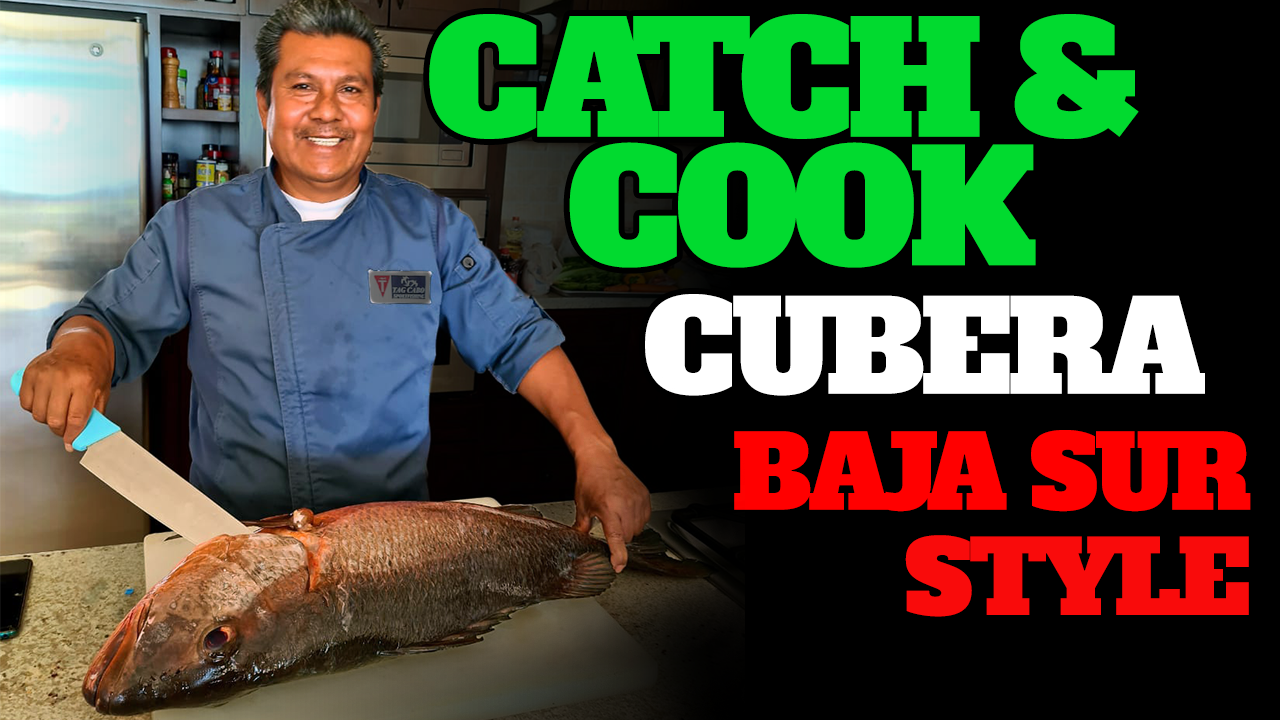
Cubera Snappers: Some of the Best Eating Fish Out There!

Cubera Snappers: Some of the Best Eating Fish Out There!

Cubera Snappers: Some of the Best Eating Fish Out There! (Plus, Must-Try Recipes)

Where to Catch Cubera Snapper?

Before diving into the culinary goodness, it’s worth noting that you can catch Cubera Snapper in several parts of the world. However, one of the most popular and picturesque locations to find this delectable fish is Cabo San Lucas, Mexico. The waters around this famous vacation destination are teeming with Cubera Snapper, making it a paradise for anglers. Not only do you get the thrill of the catch, but you also have the makings of a fantastic meal right at your fingertips!

What Makes Cubera Snapper So Special?

The Cubera Snapper is a large saltwater fish found primarily in the Western Atlantic Ocean. Its firm, white flesh is known for its subtle sweetness and mild flavor, making it incredibly versatile in the kitchen. Unlike some other fish varieties that may have overpowering flavors, the Cubera Snapper takes on the flavors of the ingredients it is cooked with, making it ideal for a variety of recipes.

Cooking Techniques for Cubera Snapper

This wonderful fish can be prepared in numerous ways:

  • Grilling: Its firm flesh holds up well on the grill.
  • Baking: A healthier option that preserves its natural flavors.
  • Sautéing: Quick and easy, perfect for weeknight dinners.
  • Deep-frying: When you’re in the mood for something indulgent.

Must-Try Cubera Snapper Recipes

Grilled Cubera Snapper with Garlic and Lemon Herb Sauce

Ingredients:

  • 4 Cubera Snapper fillets
  • 2 cloves garlic, minced
  • Juice of 1 lemon
  • 1/4 cup olive oil
  • Fresh herbs (thyme, rosemary, and parsley), finely chopped
  • Salt and pepper to taste

Instructions:

  1. In a bowl, mix garlic, lemon juice, olive oil, and herbs.
  2. Season the fish with salt and pepper.
  3. Marinate the fish in the herb mixture for at least 30 minutes.
  4. Preheat the grill to medium-high heat.
  5. Grill each side for 4-5 minutes or until the fish is opaque.
  6. Serve immediately.

Baked Cubera Snapper with Tomato and Olives

Ingredients:

  • 4 Cubera Snapper fillets
  • 1 can diced tomatoes
  • 1/2 cup Kalamata olives, pitted and sliced
  • 2 tbsp capers
  • 1 onion, sliced
  • 2 cloves garlic, minced
  • 1/4 cup white wine
  • Olive oil
  • Salt and pepper to taste

Instructions:

  1. Preheat the oven to 400°F (200°C).
  2. In a baking dish, layer the sliced onions, then place the fish fillets on top.
  3. Season the fish with salt and pepper.
  4. In a bowl, mix diced tomatoes, olives, capers, and garlic.
  5. Pour the tomato mixture over the fish.
  6. Drizzle white wine and a bit of olive oil over everything.
  7. Bake for 20-25 minutes or until the fish flakes easily.
  8. Serve hot.

Sautéed Cubera Snapper with Mango Salsa

Ingredients:

  • 4 Cubera Snapper fillets
  • 1 ripe mango, diced
  • 1 red bell pepper, diced
  • 1/4 cup cilantro, chopped
  • Juice of 1 lime
  • Salt and pepper to taste
  • Olive oil for sautéing

Instructions:

  1. In a bowl, combine mango, red bell pepper, cilantro, and lime juice. Mix well and set aside.
  2. Heat olive oil in a skillet over medium heat.
  3. Season the fish fillets with salt and pepper.
  4. Sauté the fish for 3-4 minutes per side, or until cooked through.
  5. Serve the fish hot, topped with mango salsa.


Cubera Snappers: Some of the Best Eating Fish Out There!

Conclusion

Cubera Snapper is undoubtedly one of the best-eating fish you’ll ever try. Its versatility makes it an excellent option for a range of recipes. So the next time you’re at the fish market, consider picking up some Cubera Snapper fillets and treating yourself to a culinary delight that’s both delicious and versatile.

Bon appétit!

The Top 10 Questions Boat Owners Ask

The Top 10 Questions Boat Owners Ask

Owning a boat can be an exciting and rewarding experience. However, with this great adventure comes a new set of responsibilities and questions to ensure that your time on the water is safe and enjoyable. In this blog post, we’ll address the top 10 most common questions boat owners have, covering maintenance, safety, and operation of your vessel.

The Top 10 Questions Boat Owners Ask

  1. What type of maintenance should I perform regularly on my boat?

Regular maintenance is essential for prolonging the life of your boat and keeping it in good working condition. Some tasks to perform consistently include:

  • Cleaning and washing the boat, both inside and out
  • Inspecting and replacing damaged lines and ropes
  • Checking and maintaining fluid levels (engine oil, coolant, etc.)
  • Inspecting and maintaining the bilge pump system
  • Checking and maintaining the electrical system
  • Inspecting and maintaining the steering system
  • Examining and maintaining the hull, propeller, and other underwater components
  1. How often should I service my boat’s engine and other components?

Engine servicing frequency depends on the manufacturer’s recommendations, which are typically outlined in your boat’s owner’s manual. Generally, you should perform a thorough engine inspection and service at least once a year, or after every 100 hours of operation, whichever comes first. Other components, such as the battery, electronics, and bilge pump, should also be inspected and serviced according to the manufacturer’s guidelines.


The Top 10 Questions Boat Owners Ask

  1. What safety equipment should I have on board my boat?

Essential safety equipment for your boat includes:

  • Life jackets for each person on board
  • Throwable flotation devices
  • Fire extinguishers
  • Visual distress signals (flares or strobe lights)
  • Sound-producing devices (whistle or air horn)
  • First aid kit
  • VHF marine radio
  • Navigation lights
  • Emergency toolkit (wrenches, pliers, screwdrivers, etc.)
  • Anchor with sufficient line or chain
  1. How can I improve the fuel efficiency of my boat?

To maximize fuel efficiency:

  • Maintain proper boat trim by adjusting the load distribution
  • Keep the hull and propeller clean and free of debris
  • Plan your trips to minimize idling and use the most direct routes
  • Keep your engine well-maintained and tuned
  • Use the appropriate propeller for your boat’s design and intended use
  1. What should I do to prepare my boat for storage during the offseason?

When preparing your boat for storage:

  • Clean and dry the boat thoroughly
  • Remove any perishables and valuables
  • Drain all water from the bilge, water systems, and engine
  • Disconnect the battery and store it in a cool, dry place
  • Protect the engine with appropriate winterizing products
  • Cover the boat with a high-quality cover or store it indoors

The Top 10 Questions Boat Owners Ask

  1. How do I properly winterize my boat to prevent damage from freezing temperatures?

To winterize your boat:

  • Drain and flush the cooling system and replace with antifreeze
  • Change the engine oil and filter
  • Lubricate moving parts, such as throttle and shift linkages
  • Add fuel stabilizer to the fuel tank and run the engine to distribute it
  • Remove the battery and store it in a cool, dry place
  • Cover the boat to protect it from the elements
  1. What are the best practices for navigating in various weather conditions and water environments?

Safe navigation practices include:

  • Regularly monitoring weather forecasts and adjusting your plans accordingly
  • Ensuring that your boat is equipped with the appropriate navigation tools (charts, GPS, depth sounder, etc.)
  • Maintaining a proper lookout at all times
  • Practicing good seamanship and boat handling skills
  • Communicating with other vessels and authorities when necessary, using VHF radio or other communication devices
  • Avoiding hazardous waters and weather conditions beyond your experience level or your boat’s capabilities
  • Wearing appropriate safety gear, such as life jackets and harnesses, particularly in rough conditions
  • Implementing a float plan, which includes informing someone onshore about your planned route and expected return time
  • Maintaining a safe speed and distance from other vessels, obstacles, and navigational hazards
  • Constantly assessing your surroundings and being prepared to change your course or plans if conditions worsen
  1. How do I obtain the proper licenses and registrations for my boat, and what are the local boating laws in my area?

To obtain the appropriate licenses and registrations for your boat, consult your local government’s boating or marine agency. This process may vary depending on your jurisdiction. It’s essential to familiarize yourself with local boating laws, regulations, and safety requirements to ensure compliance and avoid potential fines or penalties.

The Top 10 Questions Boat Owners Ask

  1. What is the best way to anchor my boat securely and safely?

To anchor your boat safely and securely:

  • Choose an appropriate anchoring location, considering water depth, bottom composition, and potential hazards
  • Use the proper anchor type and size for your boat and the conditions
  • Deploy enough anchor rode (chain or line) to achieve a scope of at least 5:1 or 7:1 (the ratio of rode length to water depth)
  • Set the anchor by slowly backing up the boat while paying out the rode until it’s taut, then applying reverse power to ensure the anchor is holding firmly
  • Monitor the boat’s position and make adjustments if necessary
  1. How can I learn and practice good seamanship to become a more skilled and responsible boat owner?

To enhance your seamanship skills:

  • Take boating safety courses and certifications from reputable organizations, such as the United States Power Squadrons, American Sailing Association, or the Royal Yachting Association
  • Gain hands-on experience by spending time on the water, preferably with experienced boaters who can provide guidance and mentorship
  • Practice essential skills, such as docking, anchoring, and navigating in various conditions
  • Stay informed about the latest boating safety guidelines, technologies, and best practices
  • Join local boating clubs or online communities to connect with fellow boat owners and share experiences, advice, and resources

If you’re looking for professional assistance to help you buy, maintain, insure, and obtain permits for your Boat, look no further than Tag Cabo Sportfishing. As a reputable Boston Whaler broker in La Baja with over 17 years in the industry, we have the expertise and resources to guide you through every step of the boat ownership process. We also offer dry dock services in Cabo San Lucas and La Paz to ensure your vessel is well-protected during the offseason. Contact us today at tagsportfishing@gmail.com, and let our knowledgeable team make your boating experience as smooth and enjoyable as possible. Don’t wait – let your nautical adventure begin!