The Complete Guide to Fishing in Cabo San Lucas

The Complete Guide to Fishing in Cabo San Lucas

A Local Captain’s Guide to One of the Best Sportfishing Destinations in the World

Cabo San Lucas has earned a global reputation as one of the best sportfishing destinations in the world. Located at the southern tip of the Baja California Peninsula, Cabo sits at the meeting point of the Pacific Ocean and the Sea of Cortez, creating an ocean environment rich in baitfish and large pelagic species.

For more than 16 years, local captain Arturo Chacón, owner of Tag Cabo Sportfishing, has explored these waters and helped anglers from around the world experience the incredible fishing opportunities that Los Cabos offers year-round.

Whether you are targeting striped marlin offshore, roosterfish along the beaches, or dorado near floating debris, Cabo San Lucas offers a fishing experience that few places in the world can match.
The Complete Guide to Fishing in Cabo San Lucas

Why Cabo San Lucas Is One of the Best Fishing Destinations in the World

One of the unique characteristics of Cabo fishing is the incredible diversity of species available throughout the year.

Thanks to the interaction between the Pacific currents and the warm waters of the Sea of Cortez, anglers can target both offshore pelagic species and inshore game fish within relatively short distances from the marina.

Some of the most popular species caught in Cabo include:

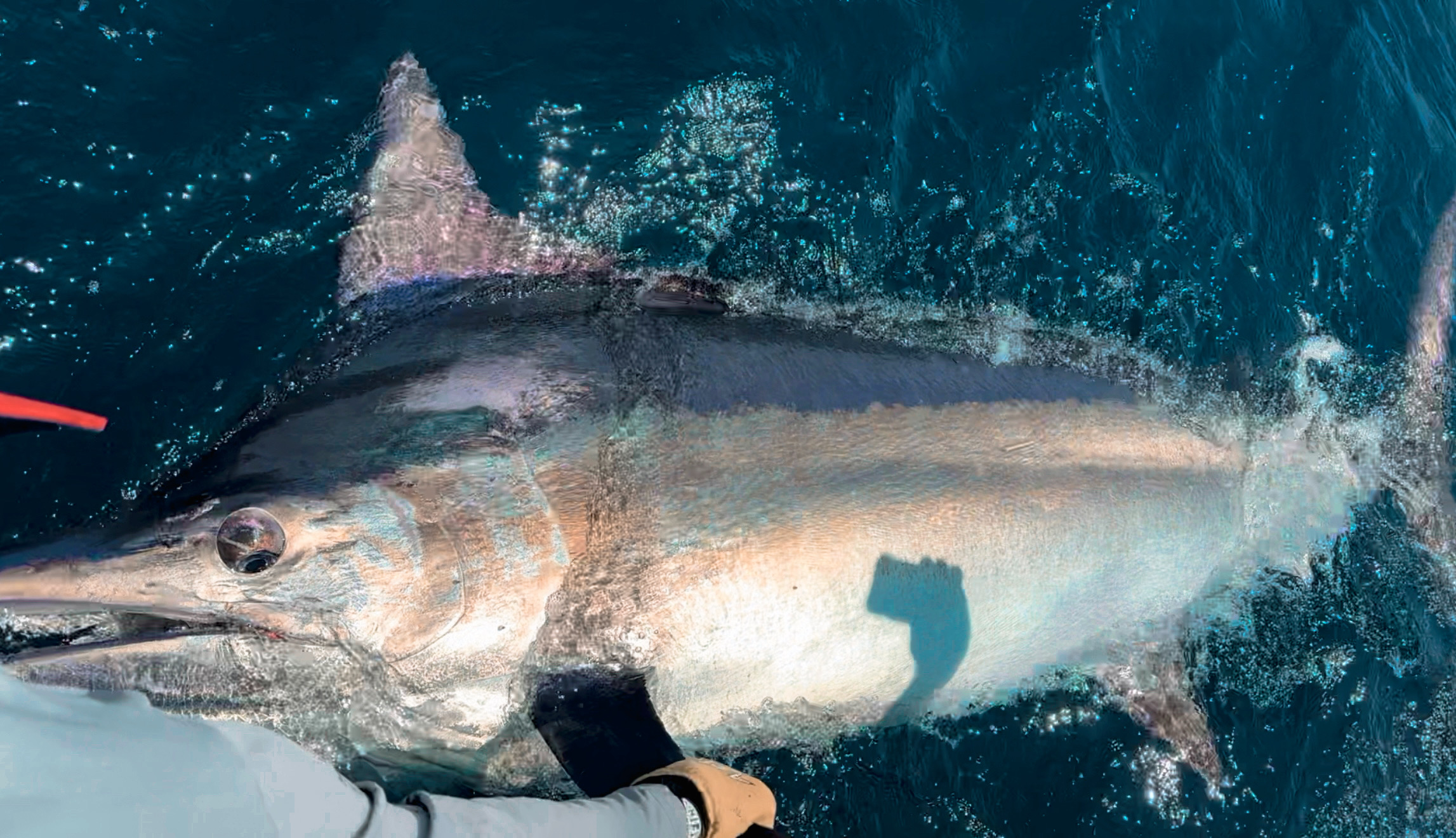
  • Striped Marlin
  • Blue Marlin
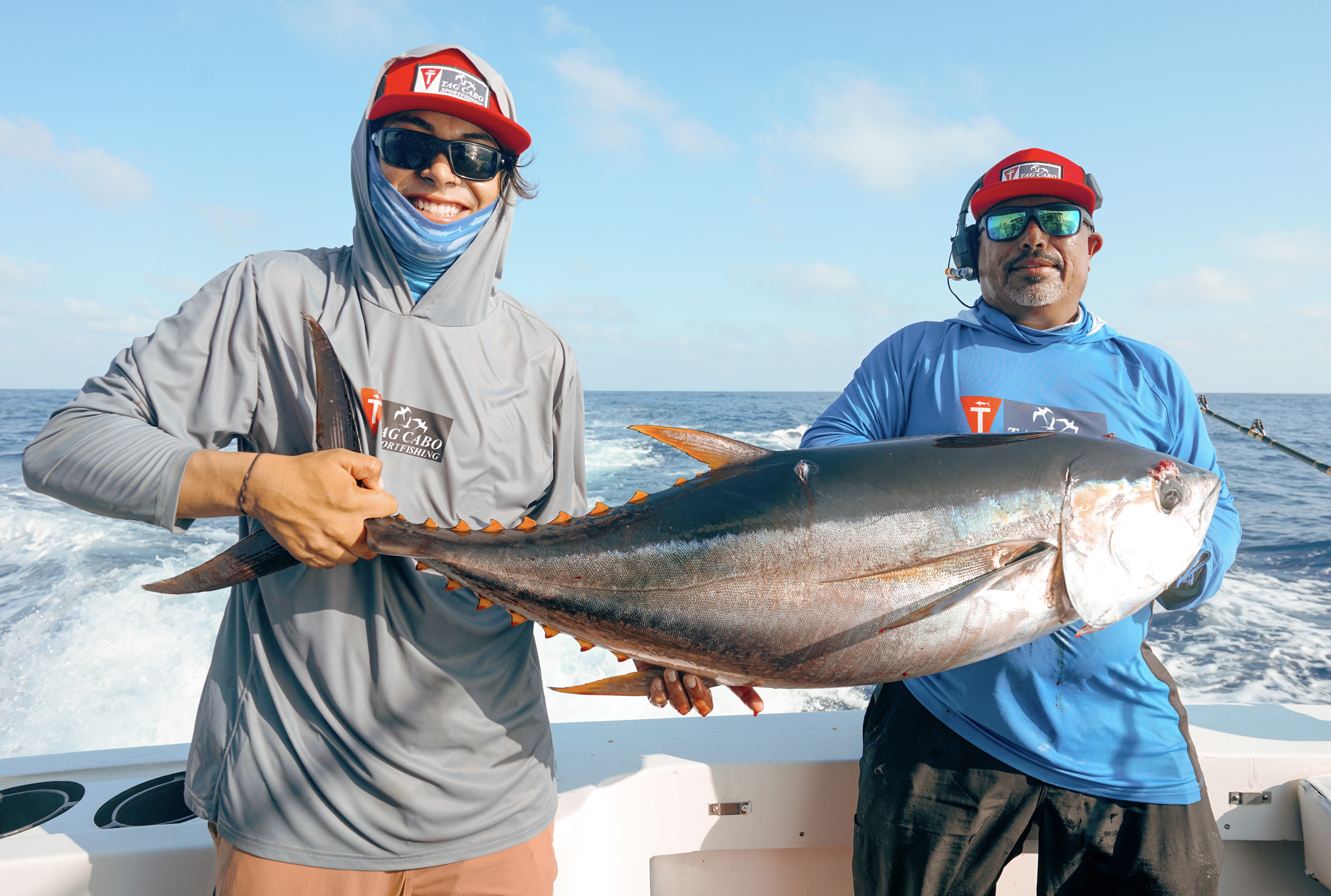
  • Yellowfin Tuna
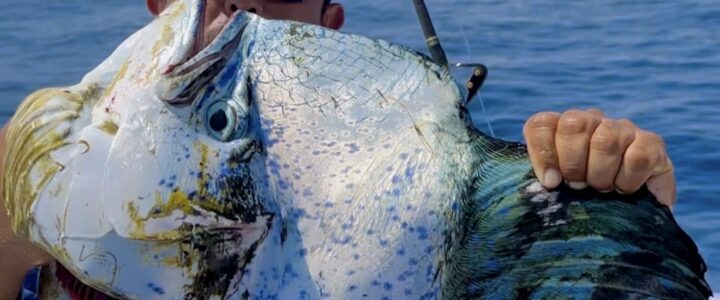
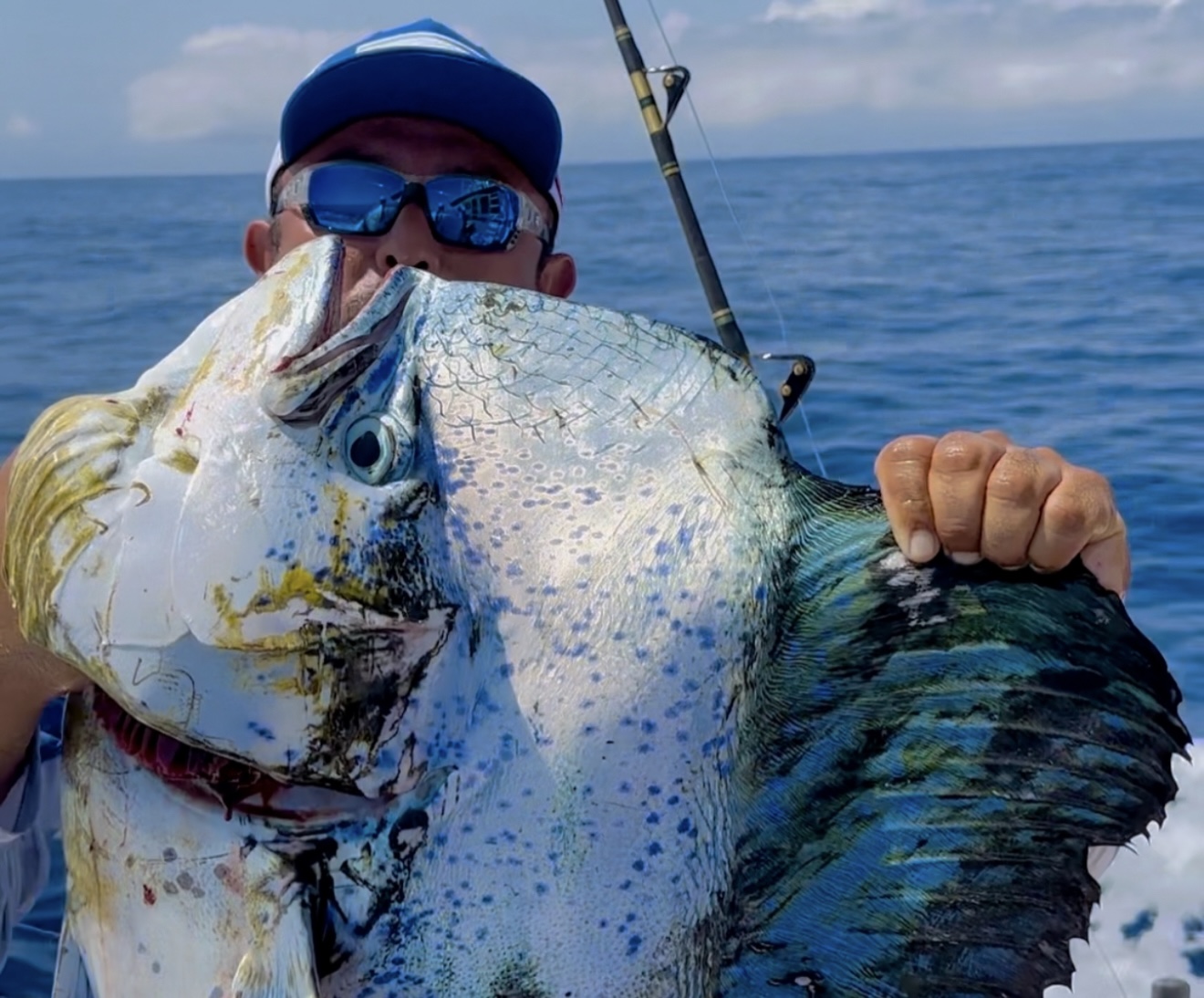
  • Dorado (Mahi-Mahi)
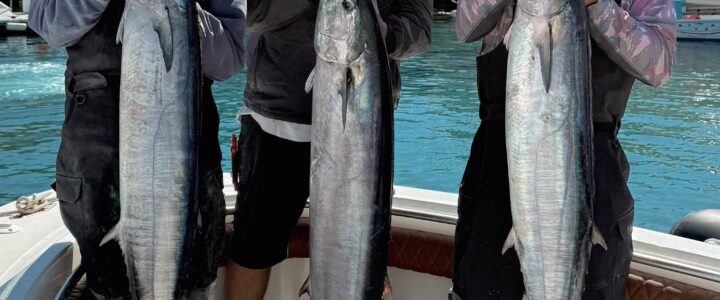
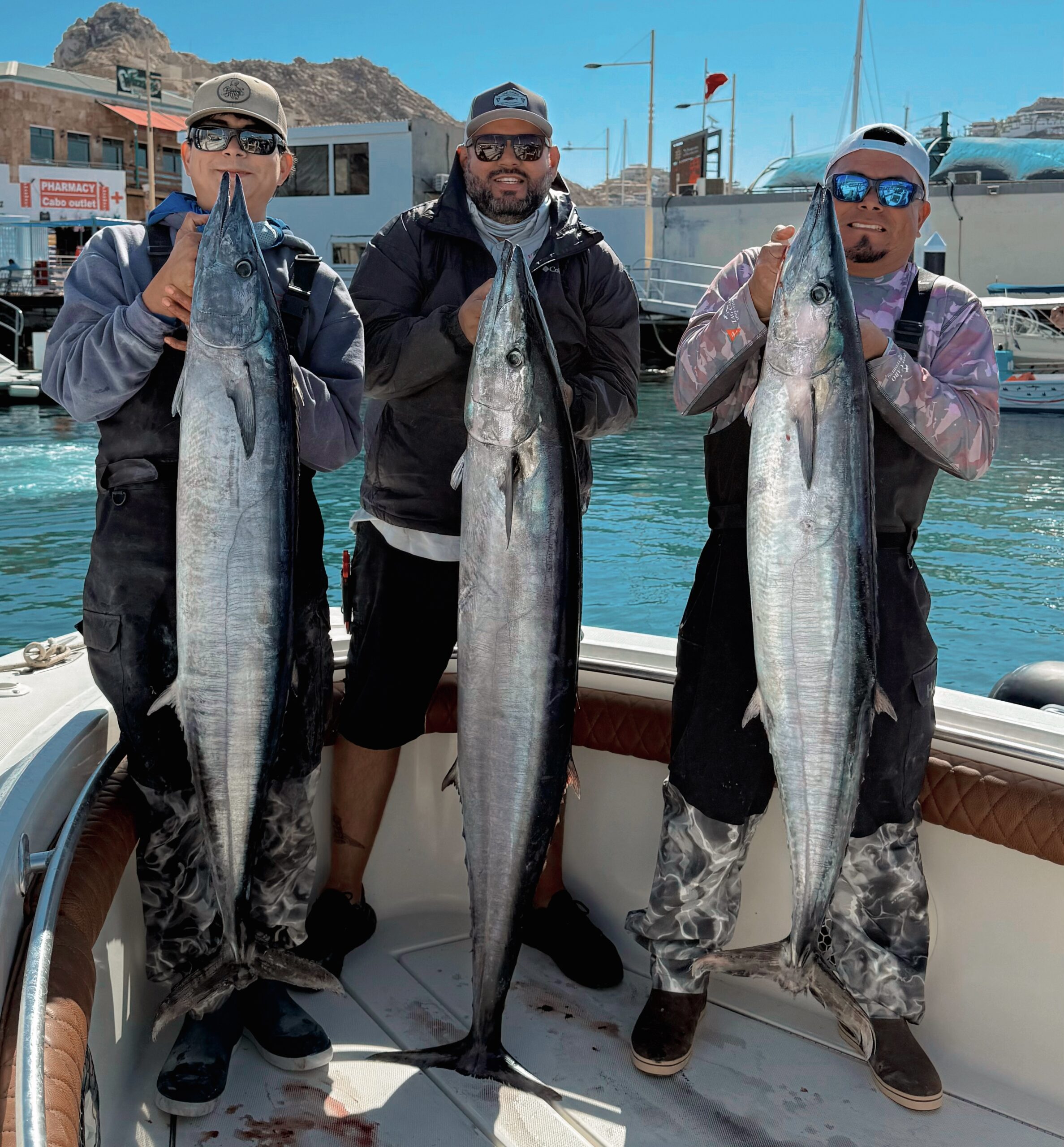
  • Wahoo
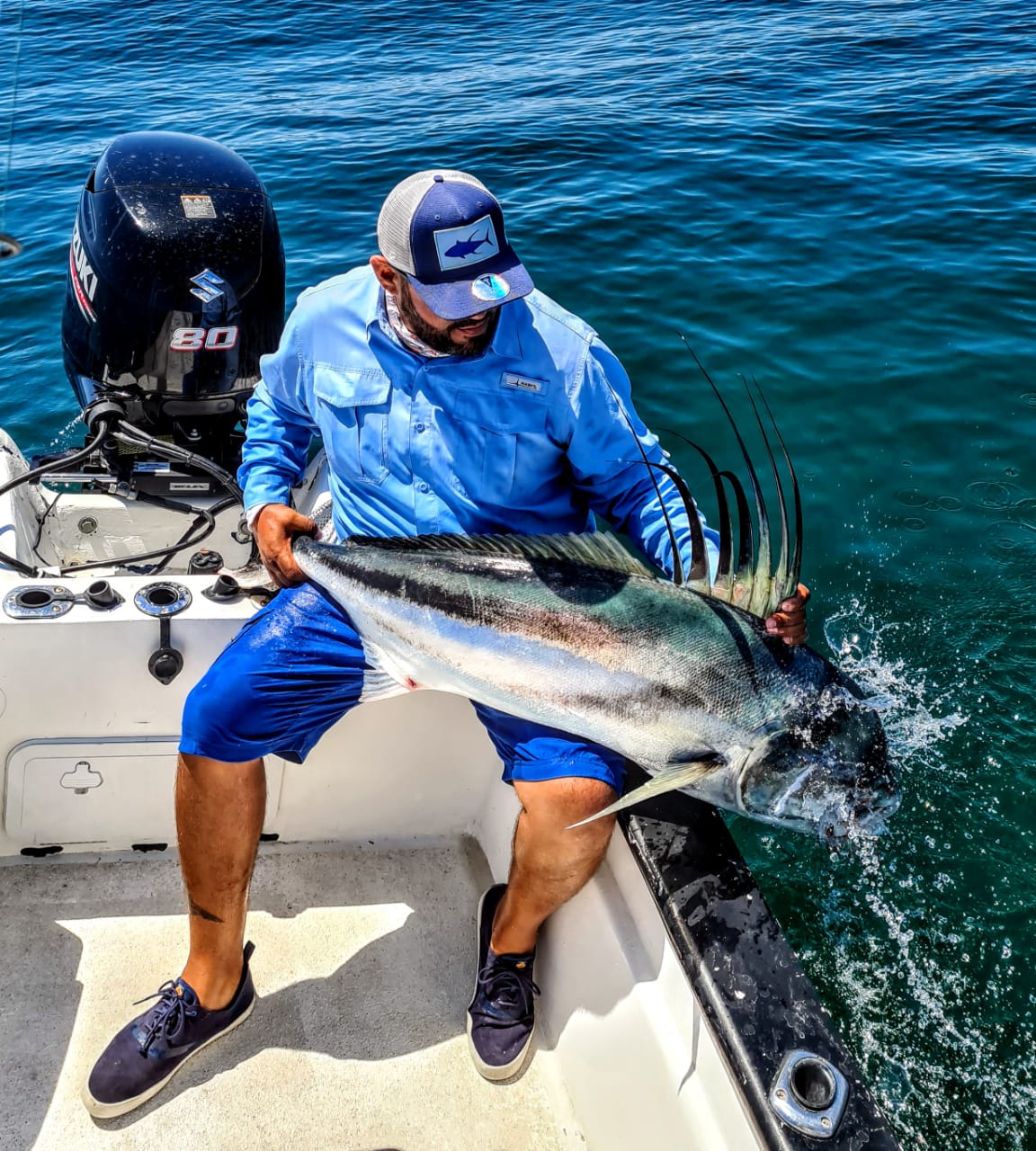
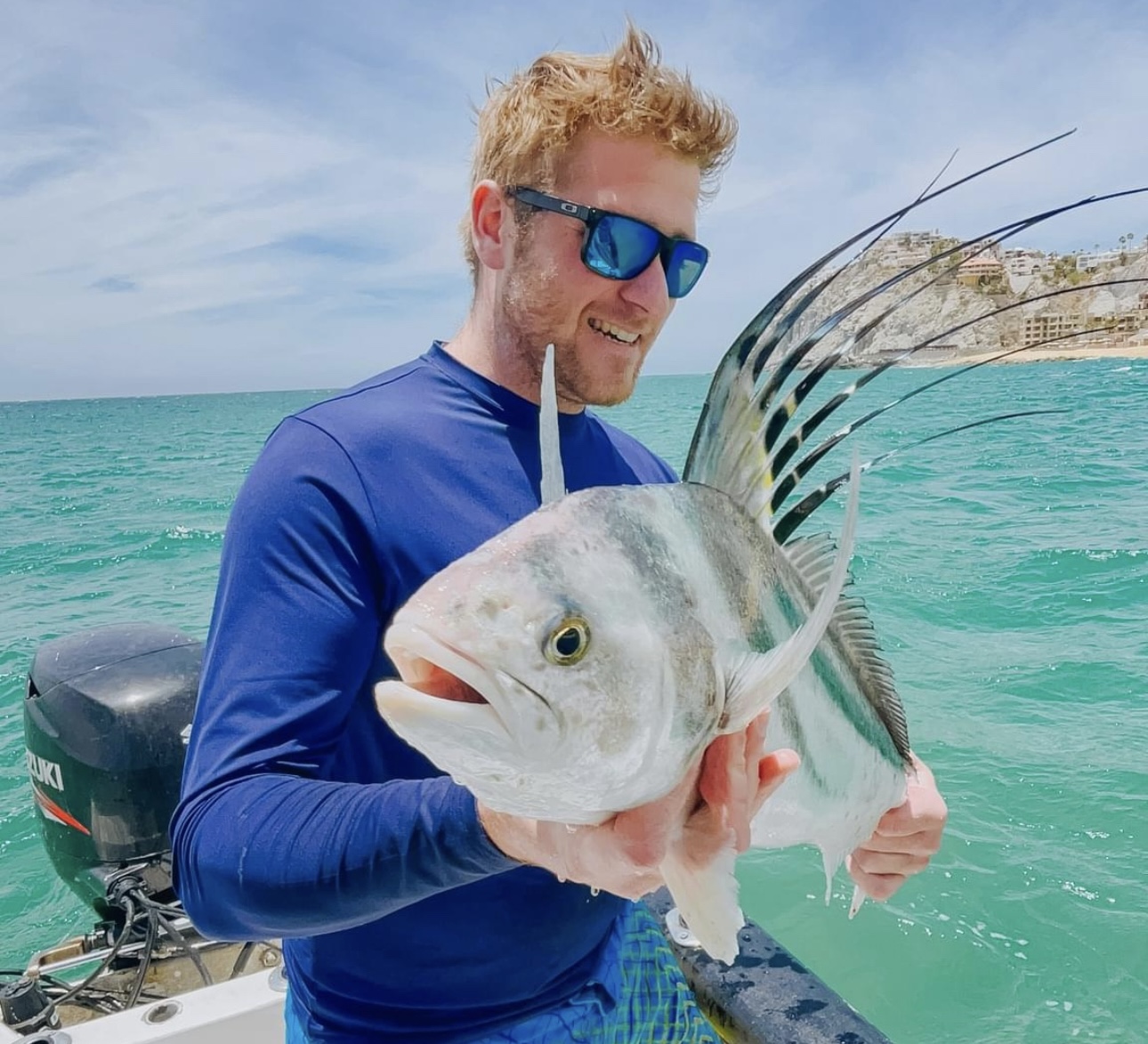
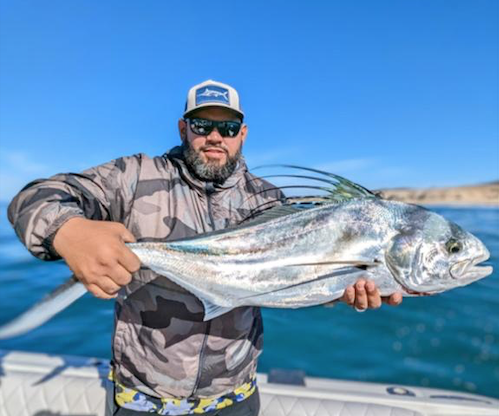
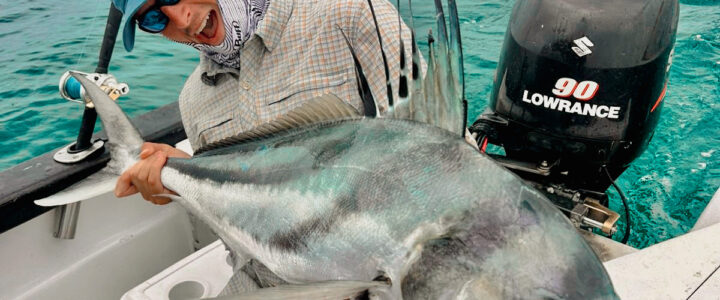
  • Roosterfish
  • Snapper
  • Grouper and Cabrilla

The deep underwater canyons and fishing banks located just offshore also make Cabo one of the few places where anglers can reach world-class fishing grounds in less than an hour.


The Best Fishing Spots in Cabo San Lucas

Over the years, several fishing grounds around Cabo have become famous among anglers.

Finger Bank

Located about 45 miles offshore, the Finger Bank is known for producing large yellowfin tuna and striped marlin. This underwater structure concentrates baitfish and attracts large predators.

Gordo Banks

Situated toward the Sea of Cortez side near San José del Cabo, Gordo Banks is a productive area for tuna, marlin, and bottom species.

Punta Gorda

Punta Gorda offers a mix of inshore and offshore fishing opportunities, making it a great place to target roosterfish, dorado, and tuna depending on the season.

San Luis Bank

San Luis Bank is another well-known fishing ground where temperature breaks and bait concentrations often attract marlin and tuna.


Inshore Fishing in Cabo

While Cabo is famous for offshore fishing, the inshore fishing can be equally exciting.

Anglers fishing close to the beaches and rocky structures can target species such as:

  • Roosterfish
  • Jack Crevalle
  • Snapper
  • Sierra Mackerel
  • Cabrilla (grouper)

Roosterfish fishing along the beaches of the East Cape and areas like Agua Amarga has become especially popular among fly fishermen and light tackle anglers.


Offshore Fishing in Cabo

Offshore fishing is where Cabo truly shines.

Many anglers travel from around the world specifically to experience marlin fishing in Cabo San Lucas.

Striped marlin are available for much of the year, and during peak seasons anglers can experience multiple marlin encounters in a single day.

Other offshore species commonly targeted include:

  • Yellowfin tuna
  • Dorado
  • Wahoo
  • Sailfish

The abundance of baitfish and favorable ocean currents make Cabo one of the most consistent big-game fishing destinations anywhere in the world.
The Ultimate Guide to Sportfishing in Cabo San Lucas

When Is the Best Time to Fish in Cabo?

One of the biggest advantages of Cabo is that fishing is productive year-round.

Different seasons bring different species, allowing anglers to plan trips based on their target fish.

Some of the best fishing seasons include:

Spring
Excellent roosterfish fishing along the beaches and strong striped marlin activity offshore.

Summer
Prime time for dorado, tuna, and blue marlin.

Fall
One of the most productive seasons for big tuna and marlin.

Winter
Great striped marlin fishing and exciting bottom fishing opportunities.


Technology and Modern Fishing Techniques

Modern sportfishing in Cabo combines traditional fishing knowledge with advanced technology.

Captains often use tools such as:

These tools help locate productive fishing zones and improve the chances of finding fish.

Many professional captains, including the team at Tag Cabo Sportfishing, regularly analyze ocean data to locate temperature breaks and bait concentrations where predators are likely to feed.


Fishing with Tag Cabo Sportfishing

Tag Cabo Sportfishing offers a variety of fishing charters designed to help anglers experience the best fishing that Cabo San Lucas has to offer.

Trips can be customized depending on your fishing goals, whether you want to target striped marlin offshore, roosterfish along the beaches, or tuna at offshore banks.

With experienced crews and well-equipped boats, anglers can enjoy a professional fishing experience guided by local knowledge of Cabo’s most productive fishing areas.


Plan Your Fishing Trip to Cabo

If you are planning a fishing trip to Los Cabos, choosing an experienced local captain can make a huge difference in your success on the water.

Understanding seasonal fish movements, ocean conditions, and local fishing grounds allows anglers to maximize their chances of catching fish.

Cabo San Lucas offers incredible fishing opportunities year-round, making it one of the most exciting sportfishing destinations anywhere in the world.


If you would like to experience fishing in Cabo San Lucas with a knowledgeable local crew, visit Tag Cabo Sportfishing to explore our fleet and available fishing charters.

Our team is ready to help you plan an unforgettable fishing adventure in the waters of Baja California Sur.

Recommended Internal Links
Fly Fishing in Agua Amarga, Baja California Sur

Fly Fishing in Agua Amarga, Baja California Sur

A Hidden Roosterfish Paradise on the East Cape

Located along the remote coastline of the East Cape of Baja California Sur, Agua Amarga is quietly becoming one of the most exciting destinations in Mexico for anglers looking to experience world-class fly fishing for roosterfish.

Just north of Los Barriles and south of Punta Pescadero, Agua Amarga sits along the productive waters of the Sea of Cortez, an area famous for its rich marine biodiversity and consistent bait movement.

For fly anglers willing to explore beyond the more well-known destinations like La Ventana, Punta Arena, and Los Cabos, Agua Amarga offers something increasingly rare: long untouched beaches, strong bait presence, and aggressive inshore predators that readily attack a fly.

Fly Fishing in Agua Amarga, Baja California Sur

Why Agua Amarga is Ideal for Fly Fishing

The geography of Agua Amarga creates perfect conditions for fly fishing.

This stretch of coastline features:

  • Long sandy beaches ideal for sight casting
  • Rocky points that concentrate baitfish
  • Deep water close to shore
  • Strong tidal current movement from the Sea of Cortez

These natural features attract large predator species including roosterfish (Nematistius pectoralis), jack crevalle, sierra mackerel, and seasonal dorado (mahi-mahi).

During periods when sardines and mullet move along the East Cape coastline, roosterfish often patrol the shoreline just meters from the sand, creating one of the most thrilling visual fly fishing opportunities in Baja California Sur.


Target Species When Fly Fishing Agua Amarga

Fly anglers fishing Agua Amarga can encounter several powerful gamefish species.

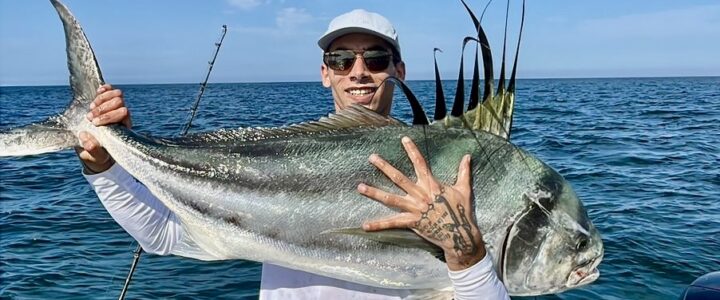
Roosterfish

The roosterfish is the most iconic inshore species in Baja California Sur. These fish are known for their distinctive dorsal fins and explosive power. Roosterfish often hunt in shallow water where fly anglers can sight cast to actively feeding fish.

Jack Crevalle

Jack crevalle are extremely aggressive predators and provide one of the hardest fights on fly tackle. These fish often appear when bait balls push tight to the shoreline.

Sierra Mackerel

Sierra are fast and aggressive fish that frequently attack bait schools along the East Cape beaches. They are commonly caught on baitfish patterns retrieved quickly through feeding zones.

Dorado (Mahi Mahi)

During the warmer months of summer and early fall, dorado occasionally move close enough to shore to be targeted by fly anglers fishing the beaches of Agua Amarga.


Recommended Fly Fishing Gear for Agua Amarga

Because the species in this region are powerful, anglers should come prepared with heavy saltwater fly equipment.

Recommended setup:

  • 10-12 weight fly rods
  • Large arbor reels with strong sealed drag
  • Floating and intermediate fly lines
  • 40-60 lb fluorocarbon leaders

Effective flies include:

  • Sardina patterns
  • Deceiver style baitfish flies
  • Roosterfish poppers
  • Brush flies

Matching the local baitfish profile is key to success along the East Cape.


Best Time of Year to Fly Fish Agua Amarga

While fishing is possible throughout much of the year, the most productive months are:

April – July
Peak roosterfish activity along the beaches.

July – October
Warmer water brings dorado and increased bait concentrations.

November – March
Good opportunities for sierra mackerel and jack crevalle.

The East Cape region benefits from consistent bait movement thanks to the currents of the Sea of Cortez, which helps sustain productive fishing conditions for much of the year.


Exploring the East Cape from Agua Amarga

One of the major advantages of fishing Agua Amarga is its proximity to other productive East Cape fishing areas including:

This entire stretch of coastline is considered one of the most biologically productive fishing regions in Baja California Sur, Mexico.


Local Expertise Matters

Having spent over 16 years fishing the waters of Los Cabos and the East Cape, the team at Tag Cabo Sportfishing has seen how productive the Agua Amarga region can be for anglers targeting roosterfish on fly gear.

Understanding bait movement, water temperature changes, and seasonal fish migration patterns is critical for consistently finding fish in this area.

Modern tools such as SatFish satellite data also allow anglers to identify water temperature breaks and chlorophyll concentrations that often indicate where baitfish and predators will gather.


FAQ – Fly Fishing Agua Amarga Baja California Sur

Is Agua Amarga good for roosterfish fly fishing?

Yes. Agua Amarga is considered one of the emerging locations for roosterfish fly fishing along the East Cape due to its bait concentrations and relatively low fishing pressure.

Do you need a boat to fly fish Agua Amarga?

Not always. Many anglers successfully fish from the beach by walking the shoreline and targeting roosterfish cruising in shallow water.

What size fly rod is best for roosterfish?

Most anglers use 10-12 weight fly rods to handle the power of roosterfish and jack crevalle.

Where is Agua Amarga located?

Agua Amarga is located on the East Cape of Baja California Sur, north of Los Barriles and south of Punta Pescadero along the Sea of Cortez.

RECOMMENDED LINKS.

The Right Fly Fishing Gear for Roosterfish

The Right Fly Fishing Gear for Roosterfish

The Right Fly Fishing Gear for Roosterfish in Los Cabos & La Ribera

Inshore Fishing in Cabo San Lucas

Roosterfish are one of the most iconic inshore gamefish in Baja California Sur. Their dramatic dorsal comb, explosive runs, and aggressive strikes make them a dream target for fly anglers visiting Los Cabos or La Ribera. But with that challenge comes the question many of our clients ask: What kind of fly fishing gear do I need for roosterfish?

Recently, while out on the water, I had the chance to fish with a good friend who has decades of experience chasing roosters on the fly. He shared some valuable insights that every angler should know before stepping onto the beach or boarding a panga with fly rod in hand.


Rods: Go Heavy, Be Ready

When it comes to rods, roosterfish are not a species where you can get away with light tackle. Their speed and power demand a strong backbone.

  • 9–10 weight fly rods are the sweet spot for most anglers. They offer enough lifting power while still allowing you to cast big baitfish patterns accurately.
  • If you’re targeting trophy-class roosters over 50 lbs (and yes, they’re here), consider stepping up to an 11 or 12 weight.
The Right Fly Fishing Gear for Roosterfish in Los Cabos & La Ribera.

Reels: Strength Meets Capacity

A roosterfish fight is all about blistering runs. If your reel can’t keep up, you’ll quickly find yourself outgunned.

  • Choose a large arbor saltwater fly reel with a sealed drag system. The drag must be smooth enough to protect your tippet yet strong enough to stop a charging fish.
  • Backing matters. Spool at least 200–300 yards of 30–50 lb backing. These fish will test every inch of it.

Lines: Match the Situation

Conditions in Los Cabos and La Ribera can change fast, so versatility is key.

  • For beach fishing, go with an intermediate fly line. It keeps your baitfish imitations swimming naturally in the surf.
  • From a boat, a tropical floating line works well when roosters are feeding near the surface. But always carry a sink-tip line for deeper or windy conditions.

Leaders & Tippets: Don’t Go Too Light

Roosters have sharp scutes and abrasive mouths. Leaders that are too light will end in heartbreak.

  • Use 9–10 foot leaders tapering down to a 20–25 lb fluorocarbon tippet.
  • If you’re chasing bigger fish, bump up to 30 lb.

Flies: Baitfish Imitations Are King

Roosterfish are predators that thrive on mullet, sardines, and jacks.

  • Go with big baitfish patterns (4–6 inches). Think Deceivers, Surf Candies, or custom sardine imitations.
  • Colors: white/blue, white/green, and tan are staples, but don’t be afraid to try flashy patterns when the water’s off-color.

Final Tip: Be Ready to Run

One of the unique challenges of fly fishing for roosters, especially from the beach, is that you need to run down the shoreline to stay in range. Having the right gear isn’t just about rods and reels—it’s about being prepared for the chase. Good footwear, quick reflexes, and stamina are part of the rooster game.


Closing Thoughts

Fly fishing for roosterfish in Los Cabos and La Ribera is as thrilling as it gets in saltwater fly fishing. With the right gear—strong rods, tough reels, proper lines, and realistic baitfish patterns—you’ll be ready to face these legendary fish.

As my friend reminded us on the boat, roosters don’t forgive weak gear. Prepare well, and the next strike could be the fish of a lifetime.


Related Reading

Inside Islas Marías: The First-Ever Legal Sportfishing Expedition from Cabo San Lucas

Inside Islas Marías: The First-Ever Legal Sportfishing Expedition from Cabo San Lucas
Islas Marias

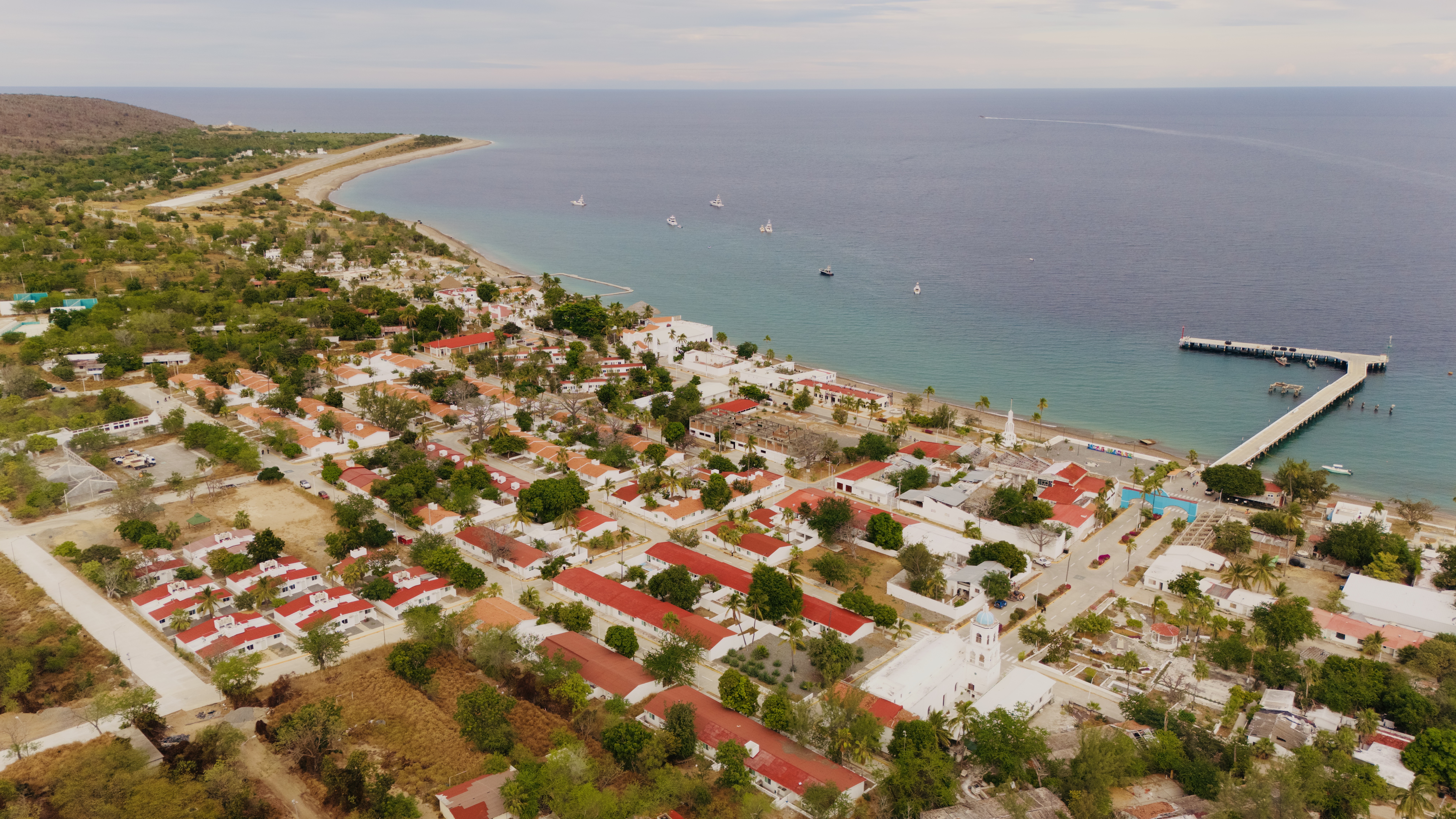
For decades, Islas Marías existed as one of Mexico’s most restricted and mysterious locations. Known worldwide for its former prison complex, the islands were completely off-limits to boats, anglers, and the public.

That all changed recently.

In a historic moment for Mexican sportfishing, we departed from Cabo San Lucas and completed the long offshore journey to Islas Marías to participate in the first-ever legal sportfishing tournament held in the area. As part of this event, we became one of the first groups in history to legally fish the surrounding waters.

This expedition marked a turning point—not only for fishing, but for exploration, conservation, and responsible access to untouched fisheries.


A Journey Few Have Ever Made

The voyage from Cabo San Lucas to Islas Marías is not a casual run. It requires careful planning, favorable weather windows, fuel management, and a crew experienced in long-range offshore navigation.

For years, these waters saw zero sportfishing pressure.

No private boats.
No recreational anglers.
No modern sportfishing techniques.

That absence of pressure created a rare marine environment—healthy, balanced, and virtually untouched.


The First Legal Sportfishing Tournament at Islas Marías

This expedition was not a casual exploratory trip. It was part of the first officially authorized sportfishing tournament ever held at Islas Marías.

That distinction matters.

Legal access, regulation, and conservation protocols ensured that this moment respected both the history of the island and the future of the fishery. All fishing was conducted under responsible sportfishing practices, emphasizing catch and release and respect for the ecosystem.

Being part of this event meant documenting history as it unfolded.


Untouched Waters, Untold Potential

Fishing the waters around Islas Marías felt like stepping back in time.

The structure, bait presence, and clarity of the water revealed a fishery shaped by nature alone—not pressure. From offshore pelagics to life along the island edges, the ecosystem showed signs of long-term balance rarely seen in modern sportfishing destinations.

This is exactly why access must be handled correctly.

What makes Islas Marías special isn’t just what lives there—it’s how long it was left alone.


Watch the Documentary: Video 1 of 2

Below is Video 1 of our two-part documentary series, where we focus on the journey, the history of Islas Marías, and the significance of being granted legal access for sportfishing.

Video 2 will focus on the fishing itself, tournament action, and what these untouched waters revealed once lines finally went in.


Why This Matters for Sportfishing in Mexico

This expedition represents more than a single trip.

It shows how regulated access, education, and conservation-first sportfishing can open doors to new fisheries without destroying what makes them special. Islas Marías now stands as an example of how history, protection, and modern sportfishing can coexist.

For anglers, explorers, and the next generation, this moment matters.


Cabo San Lucas: The Gateway to Exploration

Cabo San Lucas has long been a launch point for world-class sportfishing expeditions. From inshore roosterfish to long-range offshore adventures, it remains one of the most strategically positioned ports in the Eastern Pacific.

This journey reinforced why Cabo continues to be the starting point for serious offshore exploration in Mexico.


Final Thoughts

Fishing Islas Marías wasn’t about numbers or trophies.

It was about being present for a moment in history—when a once-forbidden island opened its waters to sportfishing for the first time, legally and responsibly.

This is only the beginning.

The Ultimate Guide to Sportfishing in Cabo San Lucas

The Ultimate Guide to Sportfishing in Cabo San Lucas

Cabo San Lucas is widely recognized as one of the best sportfishing destinations in the world, offering year-round fishing, short travel distances to productive waters, and an unmatched variety of species. Located where the Pacific Ocean meets the Sea of Cortez, Cabo creates a natural feeding corridor that attracts billfish, tuna, dorado, and inshore species throughout the year.

This guide explains why Cabo fishing is so special, what you can expect on a trip, and how to plan the right charter based on seasons, species, and experience level.


Why Cabo San Lucas Is a World-Class Fishing Destination

Cabo’s reputation is built on three key factors:

  • Geographic advantage: Two major bodies of water converge, creating nutrient-rich currents.
  • Year-round species availability: Few destinations offer consistent action 12 months a year.
  • Proximity to fishing grounds: Productive offshore banks can be reached quickly, maximizing fishing time.

In peak seasons, species like striped marlin can be found within a few miles of shore, something very rare globally.


Is Sportfishing in Cabo San Lucas Good Year-Round?

Yes. Cabo offers true year-round sportfishing, with different species peaking at different times.

  • Striped marlin: Present all year, peak from November to February
  • Yellowfin tuna: Strong summer and fall, with occasional winter runs
  • Dorado (mahi-mahi): Best from summer through early winter
  • Wahoo: Fall through spring
  • Inshore species: Roosterfish, snapper, and grouper available seasonally

This rotating fishery ensures there is always a target species, regardless of the month.

The Ultimate Guide to Sportfishing in Cabo San Lucas

Inshore vs Offshore Fishing in Cabo San Lucas

Inshore Fishing

Inshore fishing typically takes place close to the coastline and rocky structure.

Common inshore species:

  • Roosterfish
  • Snapper
  • Grouper
  • Sierra mackerel

Best for:

  • Beginners
  • Families
  • Calm-water fishing
  • Shorter trips

Offshore Fishing

Offshore fishing targets pelagic species in deeper waters.

Common offshore species:

  • Striped, blue, and black marlin
  • Yellowfin tuna
  • Dorado
  • Wahoo

Best for:

  • Big-game anglers
  • Trophy fishing
  • Full-day or multi-day trips

Both options are excellent, and many trips combine inshore action early with offshore fishing later.


How Far Offshore Do Fishing Boats Go from Cabo?

One of Cabo’s biggest advantages is how close major fishing grounds are.

Common offshore locations include:

  • Nearshore drop-offs (1–5 miles)
  • Offshore banks (10–30 miles, season dependent)

During winter marlin season, boats often find fish less than 5 miles from the marina, maximizing fishing time and fuel efficiency.


Species Commonly Caught While Fishing in Cabo

Cabo’s fishery is incredibly diverse. Depending on season, anglers can expect to target:

  • Billfish: Striped marlin (most common), blue marlin, black marlin
  • Pelagic fish: Yellowfin tuna, dorado, wahoo
  • Inshore species: Roosterfish, snapper, grouper, jack crevalle

This diversity makes Cabo ideal for both first-time anglers and seasoned sportfishermen.


What a Typical Fishing Day in Cabo Looks Like

A standard fishing charter day usually includes:

  1. Early morning departure from the marina
  2. Live bait preparation (when available)
  3. Travel to targeted fishing zones
  4. Active fishing using trolling, live bait, or a combination
  5. Midday meals and refreshments onboard
  6. Return to the marina early to mid-afternoon (half or full day)

Experienced crews adjust tactics based on conditions, season, and client goals.


What Makes a Private Fishing Charter in Cabo Different?

A private charter offers:

  • A dedicated captain and crew
  • Custom fishing strategy based on your goals
  • Access to professional-grade tackle and electronics
  • Comfort, safety, and flexibility

Unlike shared trips, private charters allow the crew to adapt in real time, which significantly increases success.


Frequently Asked Questions About Cabo Sportfishing

Is Cabo San Lucas good for beginners?

Yes. Calm inshore waters, experienced crews, and abundant species make Cabo ideal for beginners.

Can marlin really be caught close to shore in Cabo?

Yes. During peak season, striped marlin are often caught within a few miles of shore.

Do I need a fishing license in Cabo?

Yes. All anglers must have a valid Mexican fishing license, which is typically included with private charters.

Is Cabo fishing better in the morning or afternoon?

Morning departures are preferred due to calmer conditions and more active fish.

Are Cabo waters rough?

Conditions vary by season, but Cabo generally offers predictable and manageable sea states, especially in the mornings.


Why Cabo Continues to Be One of the Best Fishing Destinations on Earth

Cabo San Lucas combines accessibility, consistency, and biodiversity in a way few destinations can match. Whether targeting marlin offshore, roosterfish inshore, or enjoying a luxury multi-day adventure, Cabo offers a complete sportfishing experience backed by decades of proven success.


🔗 Recommended Internal Links

Cabo San Lucas Fishing Seasons & Species Guide

Cabo San Lucas Fishing Seasons & Species Guide

Cabo San Lucas is one of the few places in the world where sportfishing is productive all year, thanks to its unique location between the Pacific Ocean and the Sea of Cortez. Different species peak at different times, creating a rotating fishery that offers consistent action month after month.

This guide explains what species you can catch in Cabo, when each one peaks, and how to plan your trip based on season and fishing goals.


Why Cabo Has Year-Round Fishing

Cabo’s fishery is driven by:

  • Seasonal bait migrations
  • Warm and cold current interactions
  • Underwater structure and offshore banks
  • Short distances to deep water

Instead of one short “fishing season,” Cabo offers multiple peak windows, making it ideal for repeat visitors and multi-species trips.


Striped Marlin Season in Cabo San Lucas

Striped marlin are the signature species of Cabo.

  • Availability: Year-round
  • Peak season: November through February
  • Best conditions: Cooler water and strong bait concentrations

During peak months, striped marlin are often found very close to shore, sometimes within a few miles of the marina. This makes Cabo one of the most consistent marlin destinations in the world.


Blue & Black Marlin in Cabo

While striped marlin dominate, Cabo also offers opportunities for larger billfish.

Blue Marlin

  • Best season: Summer and early fall
  • Water preference: Warmer offshore conditions
  • Size: Significantly larger than striped marlin

Black Marlin

  • Availability: Less common but present
  • Best chances: Late summer and fall
  • Known for: Power and endurance

These species are typically targeted on full-day or multi-day offshore trips.


Yellowfin Tuna Season in Cabo San Lucas

Yellowfin tuna are one of Cabo’s most exciting and powerful game fish.

  • Peak season: Summer through fall
  • Secondary runs: Possible during winter
  • Typical size: 20–80 lbs, with occasional much larger fish

Tuna fishing often involves live bait, trolling, or spotting surface activity, and conditions can change daily depending on water temperature and bait presence.


Dorado (Mahi-Mahi) Season in Cabo

Dorado are known for their brilliant colors, aggressive strikes, and excellent table quality.

  • Best season: Summer through early winter
  • Common around: Floating debris, weed lines, temperature breaks
  • Fishing style: Trolling and casting lures or bait

Dorado are a favorite for anglers looking for fast action and great eating.


Wahoo Fishing in Cabo

Wahoo are a prized species due to their speed and quality meat.

  • Best season: Fall through spring
  • Fishing method: High-speed trolling
  • Typical habitat: Offshore structure and temperature breaks

Wahoo often appear unexpectedly and are considered a bonus catch on offshore trips.


Inshore Fishing Seasons in Cabo San Lucas

Inshore fishing provides excellent opportunities closer to shore and in calmer waters.

Roosterfish

  • Best season: Late spring through summer
  • Habitat: Beaches and rocky points
  • Highly prized: Catch-and-release sport fish

Snapper & Grouper

  • Availability: Year-round
  • Best fishing: Cooler months and early mornings
  • Technique: Live bait and jigging near structure

Inshore fishing is ideal for families, beginners, and anglers who prefer shorter runs.


Cabo San Lucas Fishing Seasons at a Glance

SpeciesBest Season
Striped MarlinNovember – February
Blue MarlinJuly – October
Black MarlinAugust – October
Yellowfin TunaJune – November
DoradoJune – December
WahooOctober – April
RoosterfishMay – September
Snapper & GrouperYear-round

How to Choose the Best Time to Fish Cabo

The “best” time depends on your priorities:

  • Marlin focus: Winter months
  • Tuna & dorado: Summer and fall
  • Inshore action: Late spring and summer
  • Mixed species: Late fall offers excellent variety

Because Cabo offers constant opportunities, experienced crews adjust strategies based on conditions rather than just the calendar.


Frequently Asked Questions About Cabo Fishing Seasons

Can you really catch marlin all year in Cabo?

Yes. Striped marlin are present year-round, with peak numbers during winter.

Is summer fishing in Cabo good?

Absolutely. Summer brings excellent tuna, dorado, and blue marlin fishing.

When is the calmest time of year to fish Cabo?

Late fall through winter typically offers calmer sea conditions, especially in the mornings.

What month has the best overall fishing?

There is no single best month — Cabo’s strength is consistent fishing across all seasons.


Why Understanding Seasons Improves Your Cabo Fishing Experience

Knowing when species peak allows anglers to:

  • Choose the right trip length
  • Select the best boat and technique
  • Maximize chances of targeting specific fish

This is why Cabo remains a top global sportfishing destination for anglers of all experience levels.


🔗 Recommended Internal Links