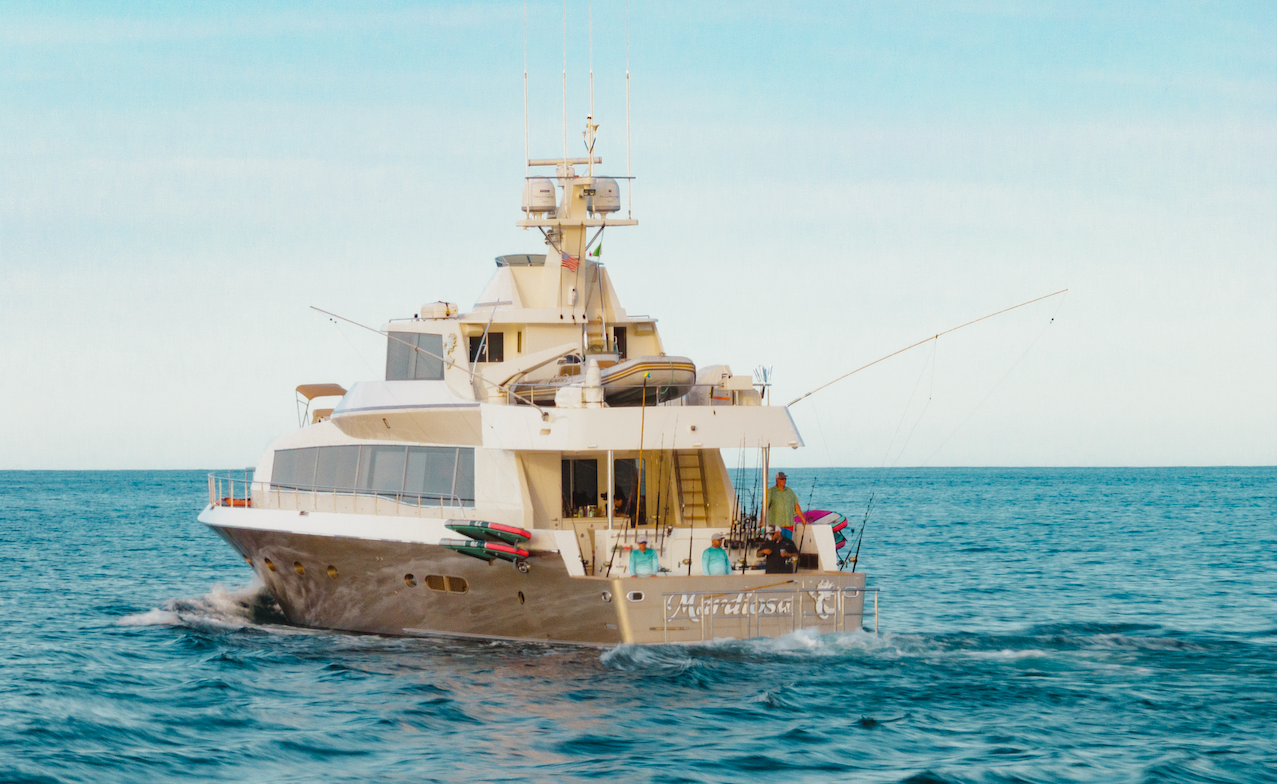
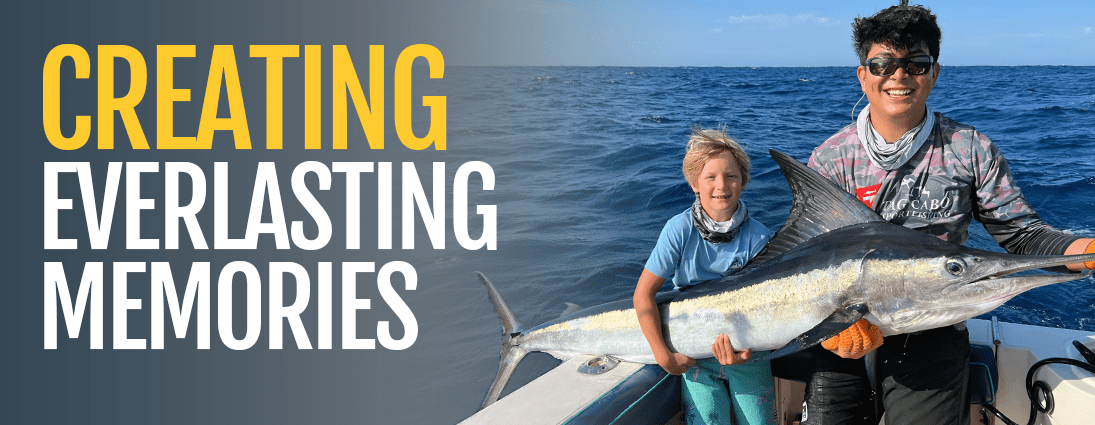
Experience the ultimate luxury fishing charter in Cabo San Lucas with Tag Cabo Sportfishing. We specialize in private, all-inclusive fishing experiences aboard premium yachts, designed for clients who expect the highest level of service, comfort, and results.
From half-day luxury trips to multi-day expeditions across Baja, we deliver a fishing experience that goes far beyond the ordinary.
💎 Why Choose a Luxury Fishing Charter in Cabo?
Luxury fishing charters offer more than just fishing — they provide a complete ocean experience:
Private yachts with full crew and captain
Chef-prepared meals and premium open bar
Spacious cabins, lounges, and sun decks
Advanced fishing equipment and technology
Personalized itineraries tailored to your group
👉 This is the best way to experience Cabo San Lucas from the water.
🛥️ Our Luxury Fishing Yacht Fleet
We offer a selection of high-end vessels depending on your group size and experience:
🔹 50ft – 70ft Sportfishing Yachts
Ideal for serious anglers and small groups
Perfect balance of comfort and performance
Target marlin, tuna, dorado, and wahoo
🔹 80ft – 100ft Luxury Yachts
Designed for VIP experiences and larger groups
Full crew including chef and stewardess
Premium amenities including open bar and water toys
🔹 Multi-Day Expedition Yachts
Overnight and extended fishing adventures
Trips to remote destinations across Baja
Fully customized luxury itineraries
👉 Every yacht is equipped to deliver a world-class fishing experience.
Cabo San Lucas is one of the most famous sportfishing destinations in the world. Every year anglers travel from across the globe to fish the productive waters where the Pacific Ocean meets the Sea of Cortez.
Below are some of the most common questions anglers ask when planning a fishing trip to Los Cabos.
What fish can you catch in Cabo San Lucas?
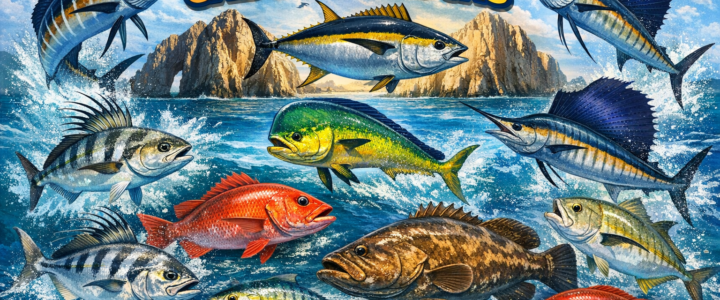
Cabo San Lucas offers a wide variety of species throughout the year. Some of the most popular fish targeted by anglers include:
Striped marlin
Blue marlin
Yellowfin tuna
Dorado (mahi-mahi)
Wahoo
Roosterfish
Snapper
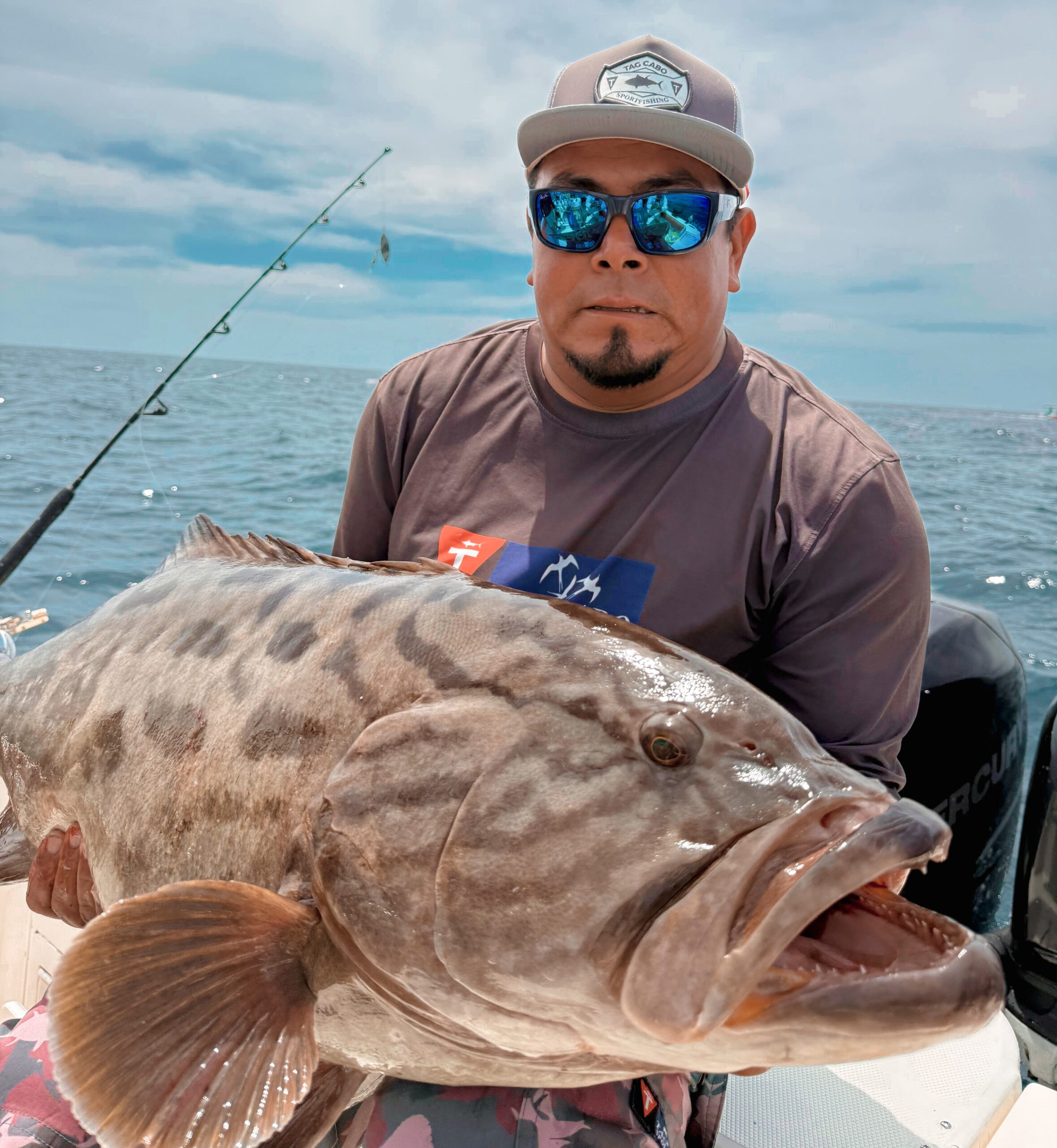
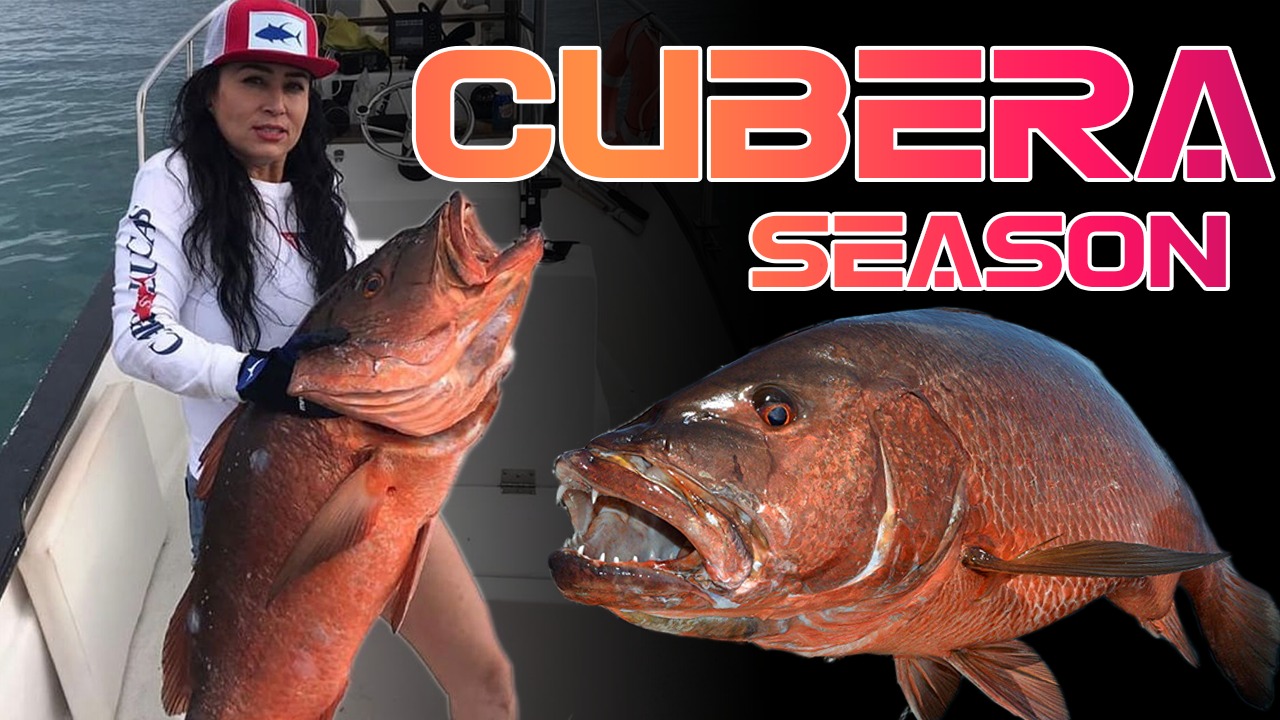
Grouper and cabrilla
Because Cabo sits at the meeting point of two major bodies of water, it provides excellent fishing opportunities both offshore and along the coastline.
When is the best time to fish in Cabo?
Fishing in Cabo San Lucas is productive year-round, but different seasons offer different opportunities.
Spring Great for roosterfish, striped marlin, and bottom fishing.
Summer Prime time for dorado, tuna, and blue marlin.
Fall One of the best seasons for large tuna and marlin.
Winter Excellent striped marlin fishing with cooler water temperatures.
Many anglers plan their trips based on which species they want to target.
How far offshore do you fish in Cabo?
Many productive fishing grounds are located surprisingly close to Cabo San Lucas.
In some cases, anglers can start fishing within a few miles from the marina, while other famous banks such as the Finger Bank may require a run of around 40–50 miles offshore.
Because deep water and underwater structures are located close to shore, Cabo offers excellent fishing opportunities even on shorter trips.
Is Cabo San Lucas good for marlin fishing?
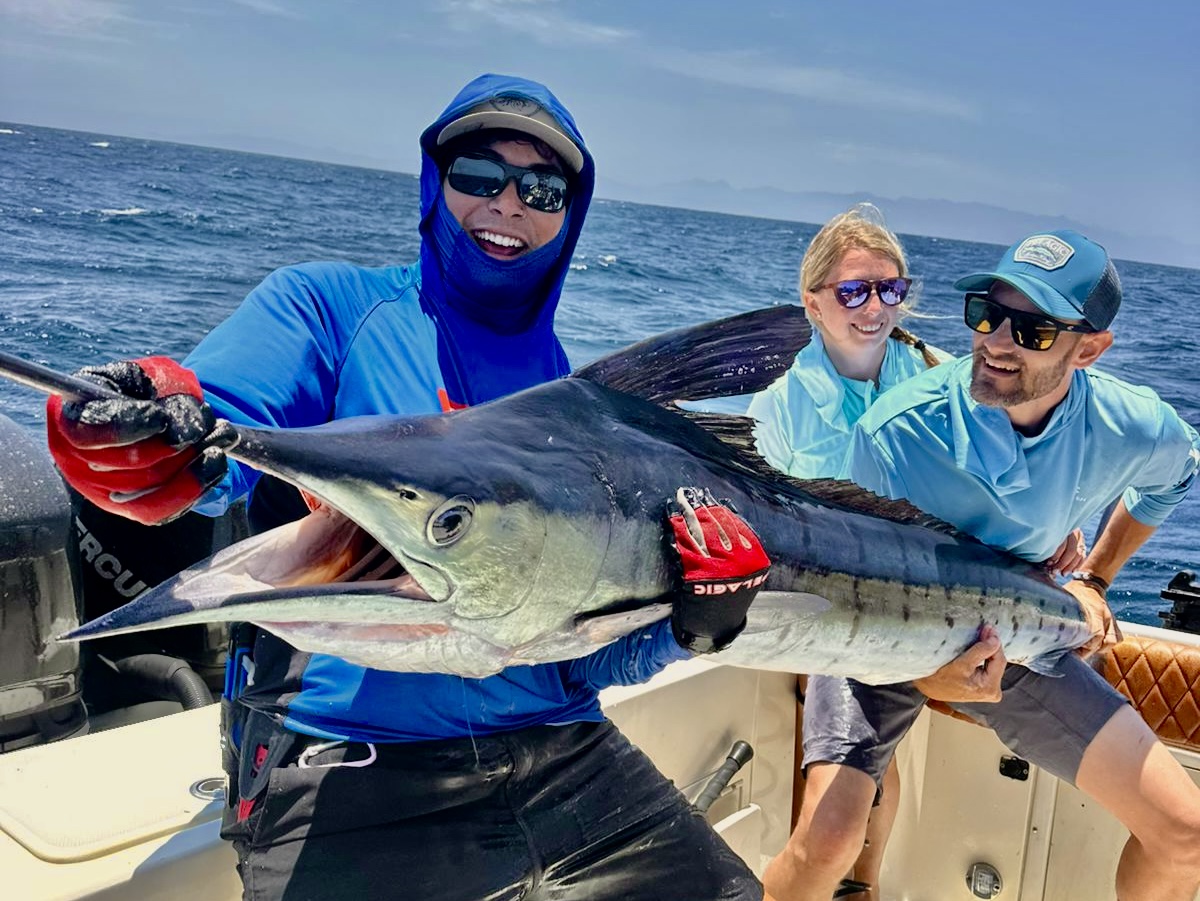
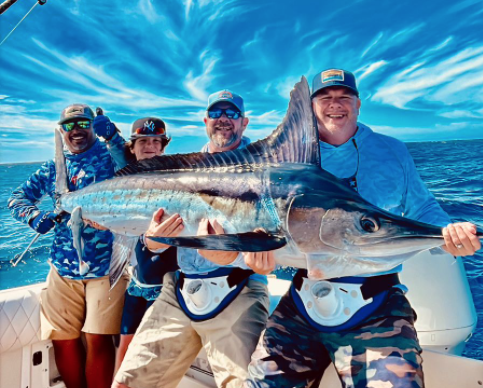
Cabo San Lucas is considered one of the best striped marlin fishing destinations in the world.
Striped marlin are commonly found in the waters surrounding Cabo for much of the year, and during peak seasons anglers may encounter multiple marlin in a single day.
The combination of baitfish, temperature breaks, and underwater structures creates ideal conditions for these powerful predators.
Can beginners go fishing in Cabo?
Yes. Fishing charters in Cabo San Lucas welcome anglers of all experience levels.
Professional crews provide all the necessary equipment and guide anglers through the fishing process, making it easy for beginners to enjoy a successful day on the water.
Whether it is your first fishing trip or you are an experienced angler, Cabo offers an exciting fishing experience.
What kind of fishing charters are available in Cabo?
Fishing charters in Cabo San Lucas range from smaller boats for inshore fishing to large sportfishing yachts designed for offshore trips.
Common options include:
Half-day fishing charters
Full-day offshore fishing trips
Roosterfish and inshore fishing trips
Marlin and tuna offshore charters
Luxury sportfishing experiences
Choosing the right charter depends on your fishing goals, group size, and preferred fishing style.
Do fishing charters provide equipment?
Most professional fishing charters in Cabo provide everything needed for the trip, including:
Fishing rods and reels
Tackle and lures
Live bait when available
Ice and drinks
Some charters may also include snacks or meals depending on the type of trip.
Why is Cabo San Lucas such a productive fishing destination?
Cabo sits at a unique geographic location where the Pacific Ocean meets the Sea of Cortez.
This creates nutrient-rich waters that attract large concentrations of baitfish, which in turn attract predators such as marlin, tuna, and dorado.
The presence of underwater banks and deep ocean canyons close to shore also helps concentrate fish in specific areas.
Book Your Cabo Fishing Trip
If you are planning a fishing trip to Los Cabos and want to experience fishing with an experienced local crew, Tag Cabo Sportfishing offers a variety of charter options.
Our team has more than 16 years of experience fishing the waters around Cabo San Lucas, helping anglers from around the world enjoy unforgettable fishing adventures.
Visit Tag Cabo Sportfishing to explore our fleet and book your next fishing trip.
A Local Captain’s Strategy for Finding Marlin in Cabo San Lucas
Cabo San Lucas is known as one of the best striped marlin fishing destinations in the world. Anglers travel from across the globe to experience the excitement of watching a marlin rise behind a lure or bait in the deep blue waters where the Pacific Ocean meets the Sea of Cortez.
While many people think catching marlin is mostly luck, experienced captains know that success often comes from reading the ocean and using the right technology. At Tag Cabo Sportfishing, we combine years of local fishing knowledge with modern marine electronics to locate the areas where marlin are most likely feeding.
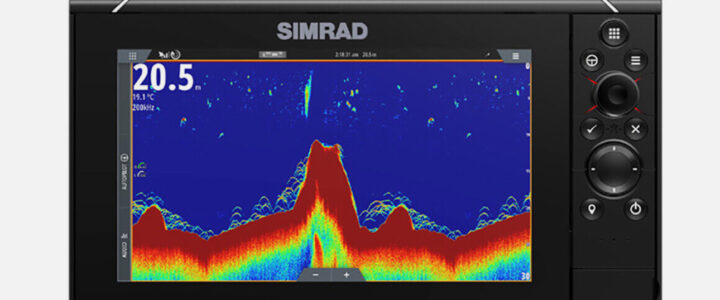
One of the most powerful tools we use to find striped marlin is advanced sonar technology.
Understanding Striped Marlin Behavior in Cabo
Striped marlin are highly migratory predators that follow baitfish, temperature breaks, and ocean currents.
In the waters around Cabo San Lucas, marlin often gather in areas where conditions create the perfect feeding environment.
Some of the key factors that influence striped marlin behavior include:
Baitfish concentrations
Water temperature breaks
Ocean currents
Underwater structures and banks
Bird activity
These elements often come together in areas such as Finger Bank, Gordo Banks, and San Luis Bank, making them productive fishing grounds throughout much of the year.
How Sonar Helps Us Find Marlin
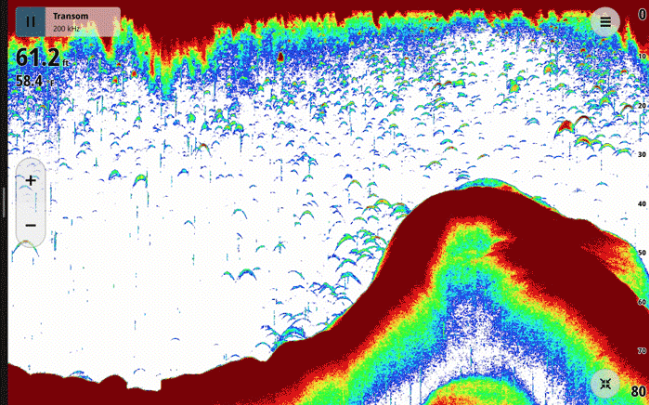
Modern fish-finding sonar allows captains to see what is happening below the surface of the ocean.
Using high-quality marine electronics, we can detect:
Bait balls
Large fish holding under bait
Depth changes and underwater structure
Thermoclines where fish tend to concentrate
When searching for striped marlin, one of the most important things we look for on sonar is large schools of baitfish.
Marlin rarely stay far from food. If the sonar shows strong bait signals at certain depths, there is a good chance that predators like marlin are nearby.
Reading Bait on the Sonar
Baitfish often appear on the sonar screen as dense clouds or clusters of signals.
When we locate a strong bait concentration, we carefully observe the sonar to see if there are larger individual marks beneath or around the bait ball.
These larger marks can indicate the presence of predators such as:
Striped marlin
Yellowfin tuna
Dorado
If the sonar shows predator activity around the bait, we begin working the area with trolling patterns designed to trigger strikes.
Combining Sonar with Ocean Conditions
While sonar is extremely useful, it works best when combined with an understanding of ocean conditions.
Captains also analyze:
Temperature breaks
Chlorophyll concentrations
Bird activity
Floating debris that attracts bait
Tools like satellite ocean data help identify areas where conditions are favorable for baitfish and predators.
When these conditions line up, it often leads to some of the best marlin fishing days in Cabo.
Special Offer for Our Readers
If you want to start using the same ocean intelligence tools many professional captains use, you can try the SatFish App and explore real-time fishing conditions.
SatFish has generously offered Tag Cabo Sportfishing readers $20 USD off a new subscription.
Simply use the promo code:
TAGCABO
when signing up.
This tool can make a huge difference in helping anglers understand ocean conditions and find productive fishing areas.
Trolling Strategies for Striped Marlin
Once we locate productive water and bait concentrations, we begin trolling a spread designed to attract marlin.
Typical trolling setups may include:
Artificial lures
Rigged baits
Teasers to raise marlin to the surface
Striped marlin are curious predators and often rise toward the boat to investigate a lure or teaser.
When a marlin appears behind the spread, anglers get the exciting opportunity to watch the fish strike.
Why Cabo San Lucas Is So Good for Marlin Fishing
The geography of Cabo San Lucas plays a major role in its incredible marlin fishing.
The meeting point of the Pacific Ocean and the Sea of Cortez creates a dynamic environment where:
Nutrient-rich currents collide
Baitfish gather
Large predators concentrate
Because deep water and offshore banks are located relatively close to the marina, anglers can often reach productive fishing grounds in less than an hour.
This unique combination of factors is why Cabo San Lucas consistently ranks among the top marlin fishing destinations in the world.
Experience Marlin Fishing with Tag Cabo Sportfishing
At Tag Cabo Sportfishing, our goal is to provide anglers with a professional fishing experience guided by local knowledge of Cabo’s waters.
By combining years of fishing experience with modern tools like sonar and ocean satellite data, we increase the chances of finding productive fishing areas and encountering marlin.
Whether you are an experienced angler or trying marlin fishing for the first time, Cabo offers an unforgettable opportunity to connect with one of the ocean’s most exciting game fish.
If you are planning a fishing trip to Cabo San Lucas and would like to experience striped marlin fishing with a knowledgeable local crew, Tag Cabo Sportfishing offers a variety of charter options.
From offshore marlin fishing to inshore adventures along the Baja coastline, our team is ready to help you experience the best fishing that Los Cabos has to offer.
Visit Tag Cabo Sportfishing to explore our fleet and book your next fishing adventure.
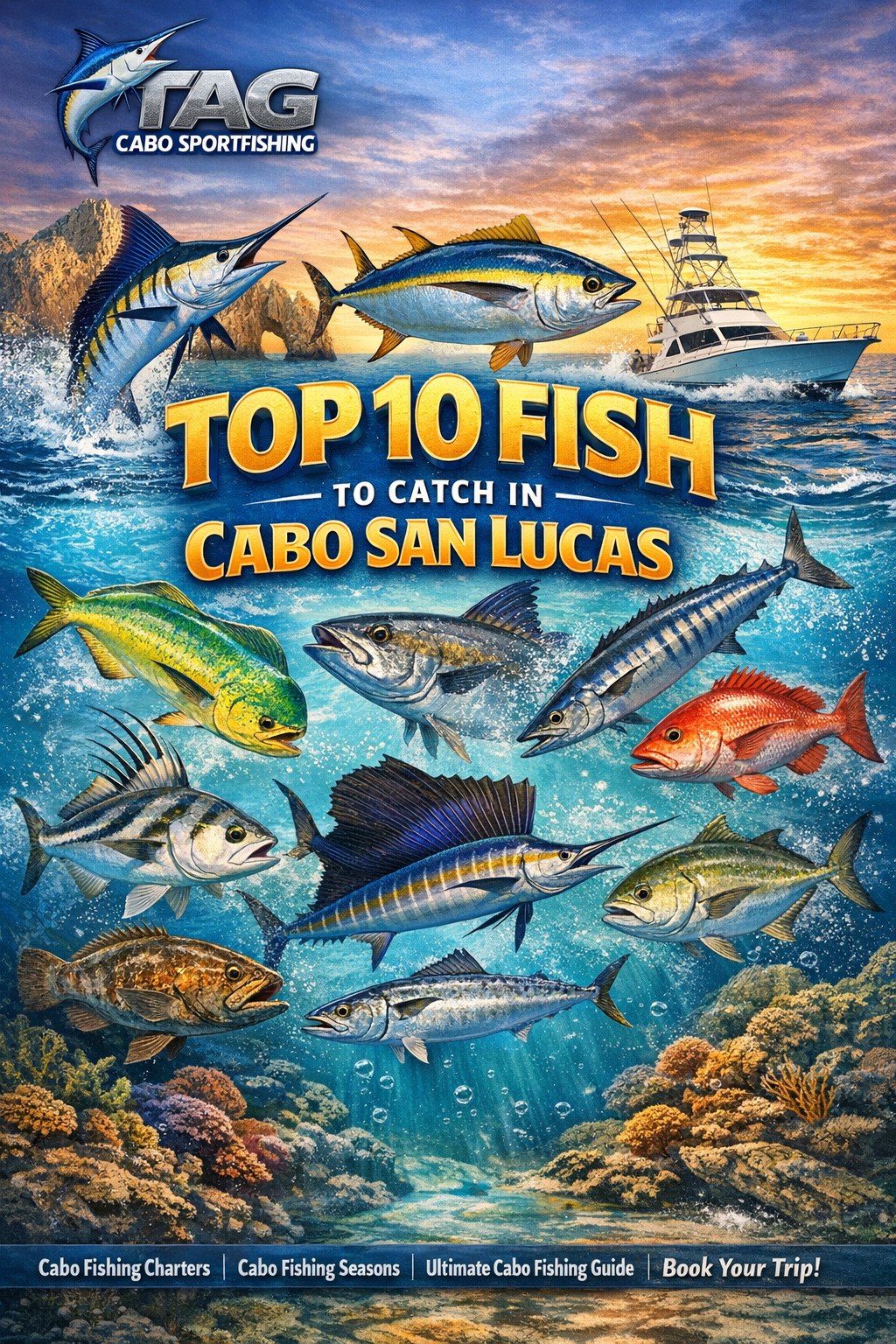
🎣 Top 10 Fish You Can Catch in Cabo San Lucas (Complete Guide 2026)
Cabo San Lucas is known as the “Marlin Capital of the World,” but the reality is even better—this region offers one of the most diverse fisheries anywhere on the planet.
From offshore giants to aggressive inshore fighters, fishing in Cabo San Lucas and San José del Cabo gives anglers the chance to target multiple species in a single trip.
At Tag Cabo Sportfishing, we’ve spent over 16 years fishing these waters, and here are the top 10 fish you can catch in Cabo 👇
🥇 1. Striped Marlin
The most iconic species in Cabo, striped marlin are available year-round and are the main reason anglers travel from around the world.
🎯 Best season: November – March
📍 Location: Pacific side & Sea of Cortez
🎣 Techniques: Live bait, trolling, casting
👉 It’s common to catch multiple marlin in one day during peak season.
🥈 2. Yellowfin Tuna
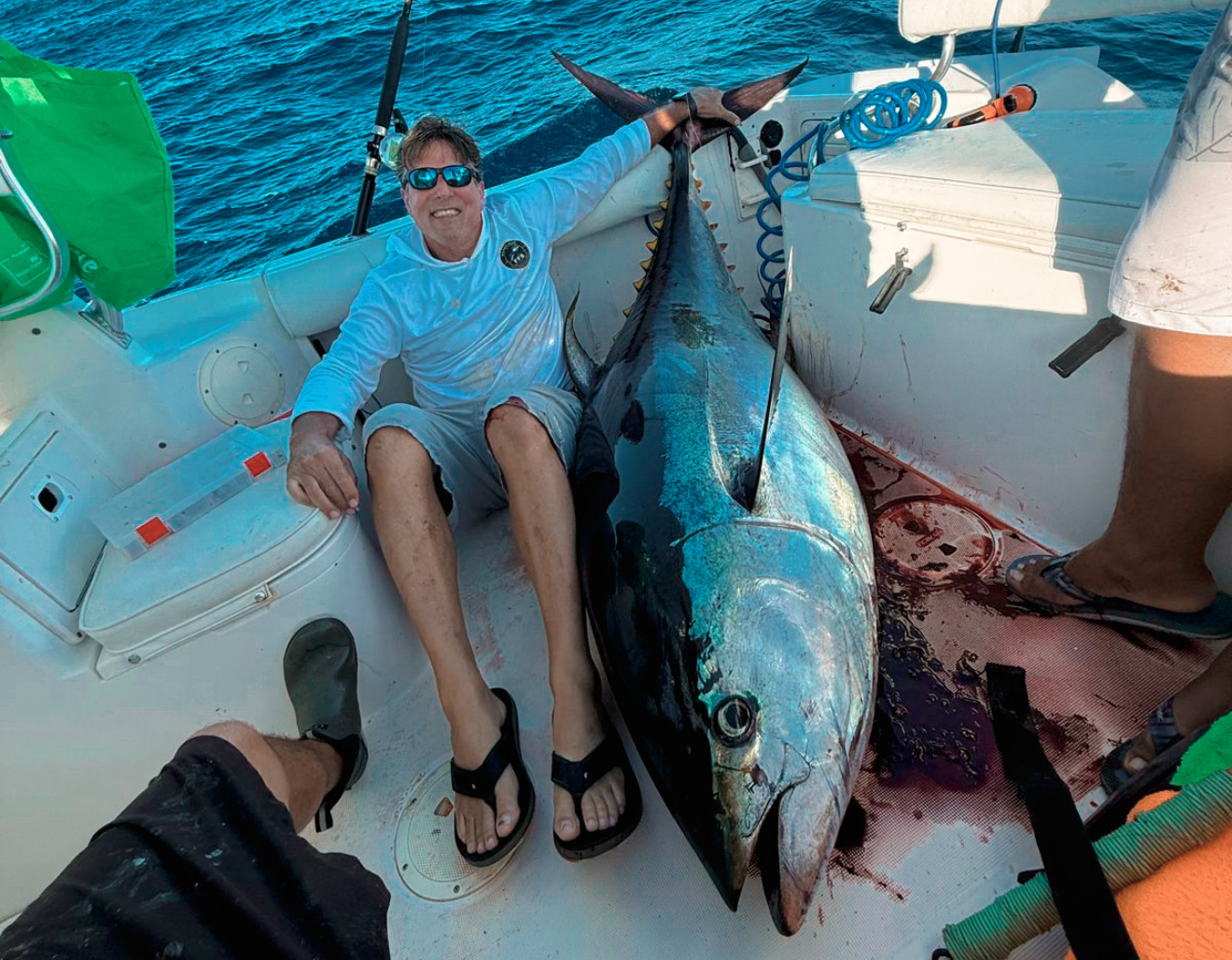
Yellowfin tuna are one of the most exciting and powerful fish you can target in Cabo.
🎯 Best season: Summer to Fall (but available year-round)
📍 Location: Offshore banks & Sea of Cortez
🎣 Techniques: Kite fishing, poppers, live bait
👉 Fish can range from 20 lbs to over 200+ lbs
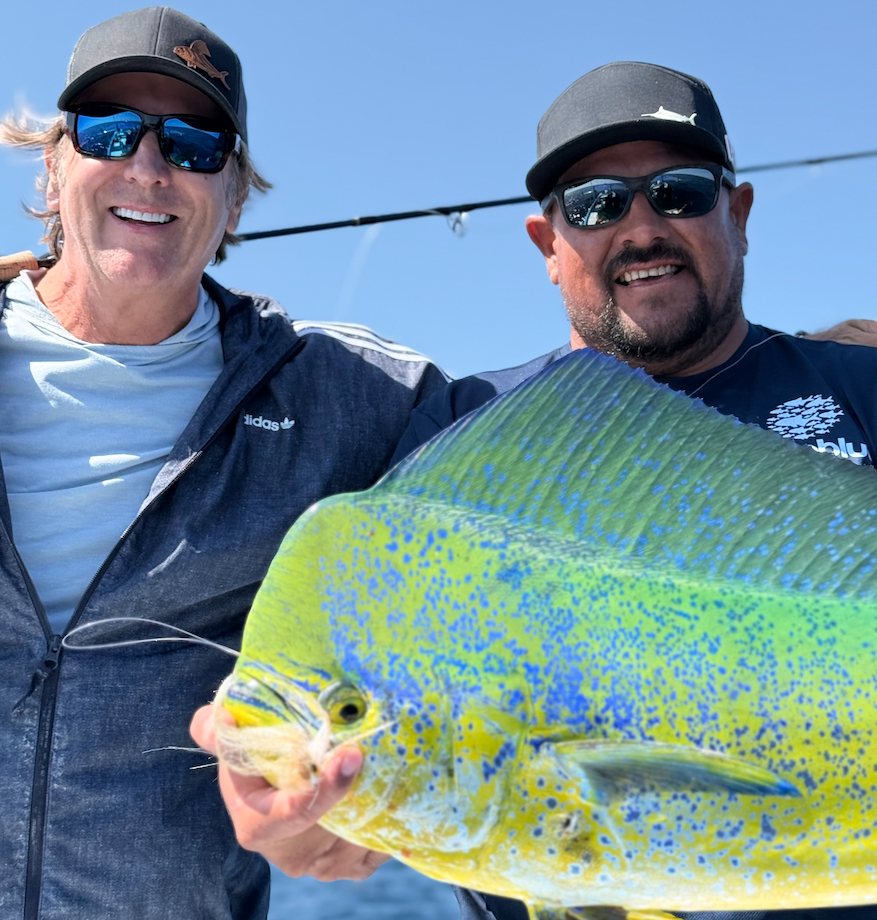
🥉 3. Dorado (Mahi-Mahi)
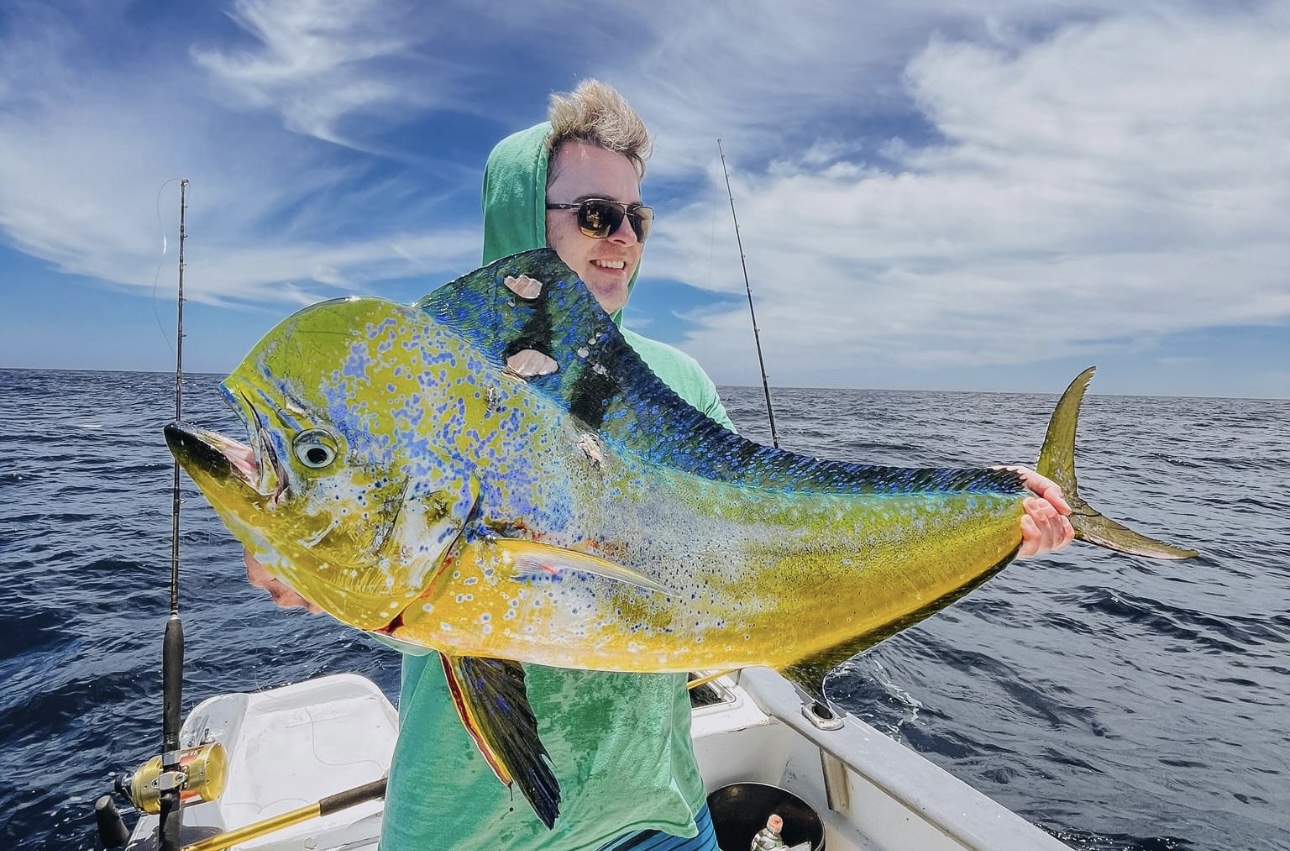
Dorado are known for their vibrant colors and aggressive strikes.
🎯 Best season: Summer & Fall
📍 Location: Floating debris, weed lines
🎣 Techniques: Trolling, casting lures
👉 One of the best eating fish in Cabo
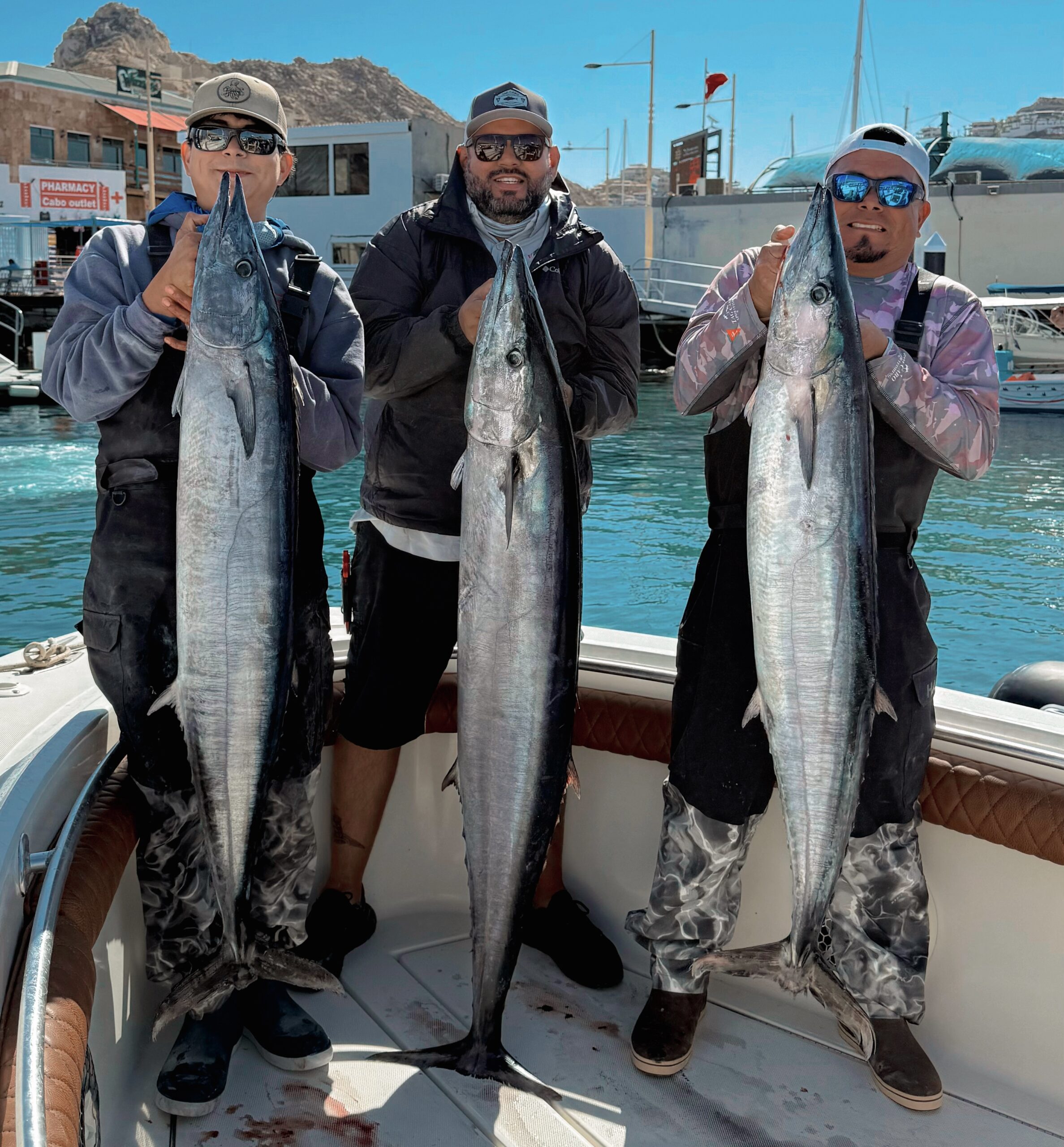
🐟 4. Wahoo
Wahoo are one of the fastest fish in the ocean.
🎯 Best season: Fall & early winter
📍 Location: Offshore drop-offs
🎣 Techniques: High-speed trolling
👉 Known for explosive strikes and incredible speed
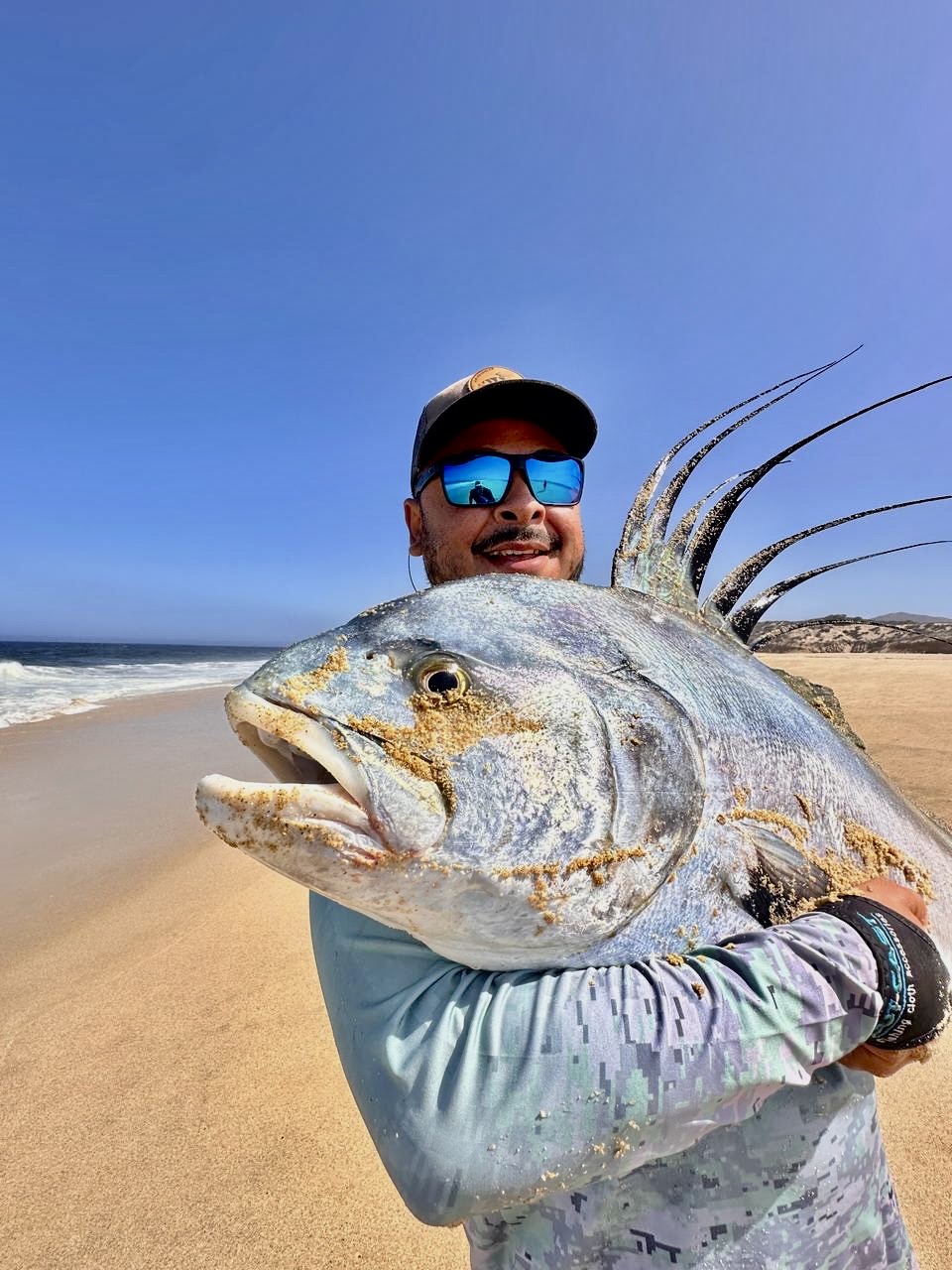
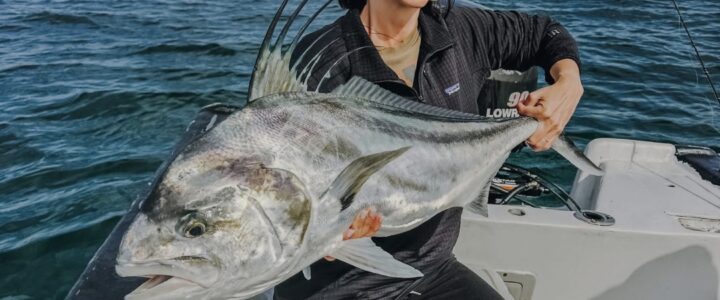
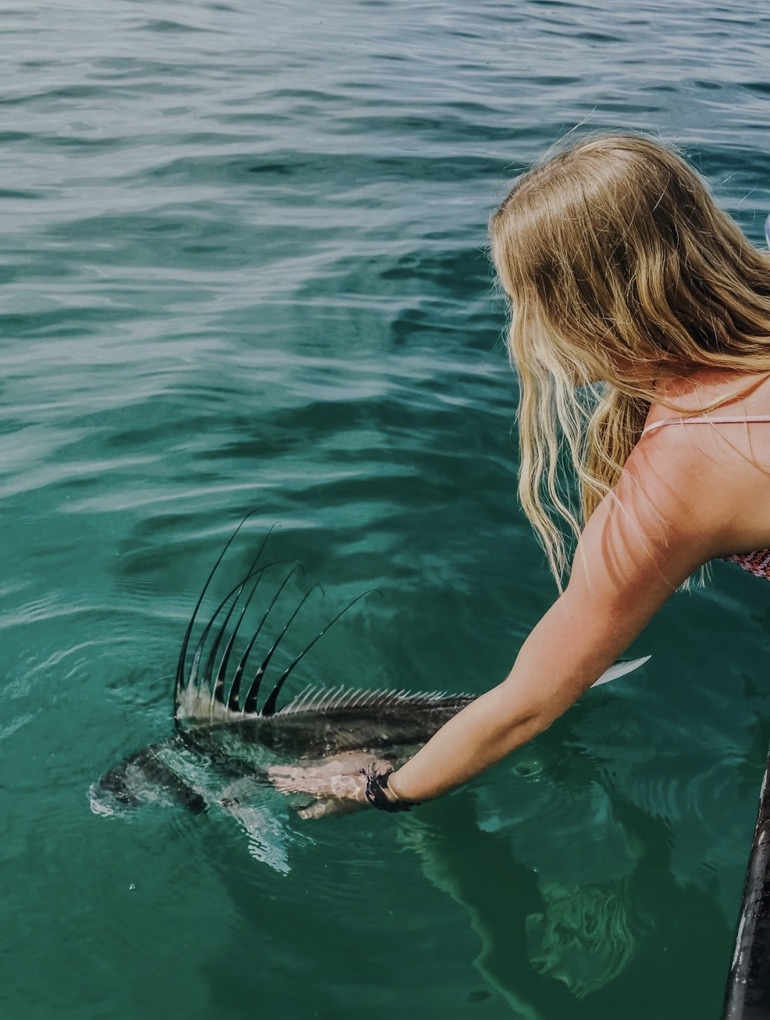
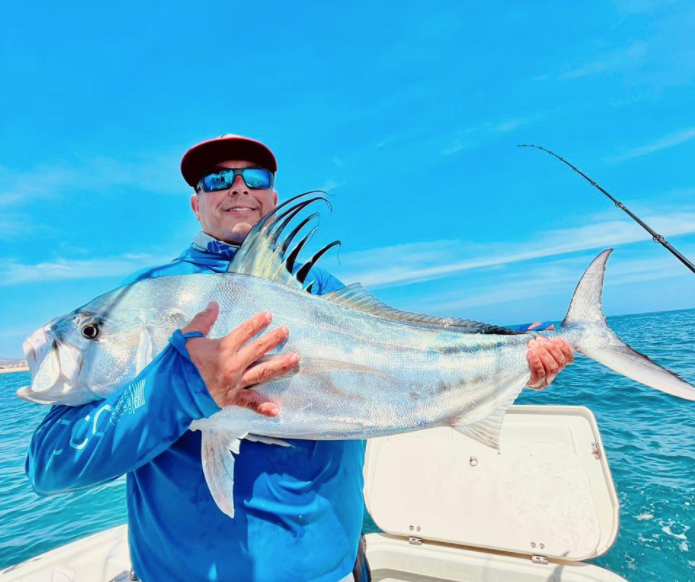
🐓 5. Roosterfish
A favorite among inshore anglers, roosterfish are powerful and aggressive.
🎯 Best season: Spring to Summer
📍 Location: Beaches & shallow water
🎣 Techniques: Live bait, lures, fly fishing
👉 One of the most fun fish to catch inshore
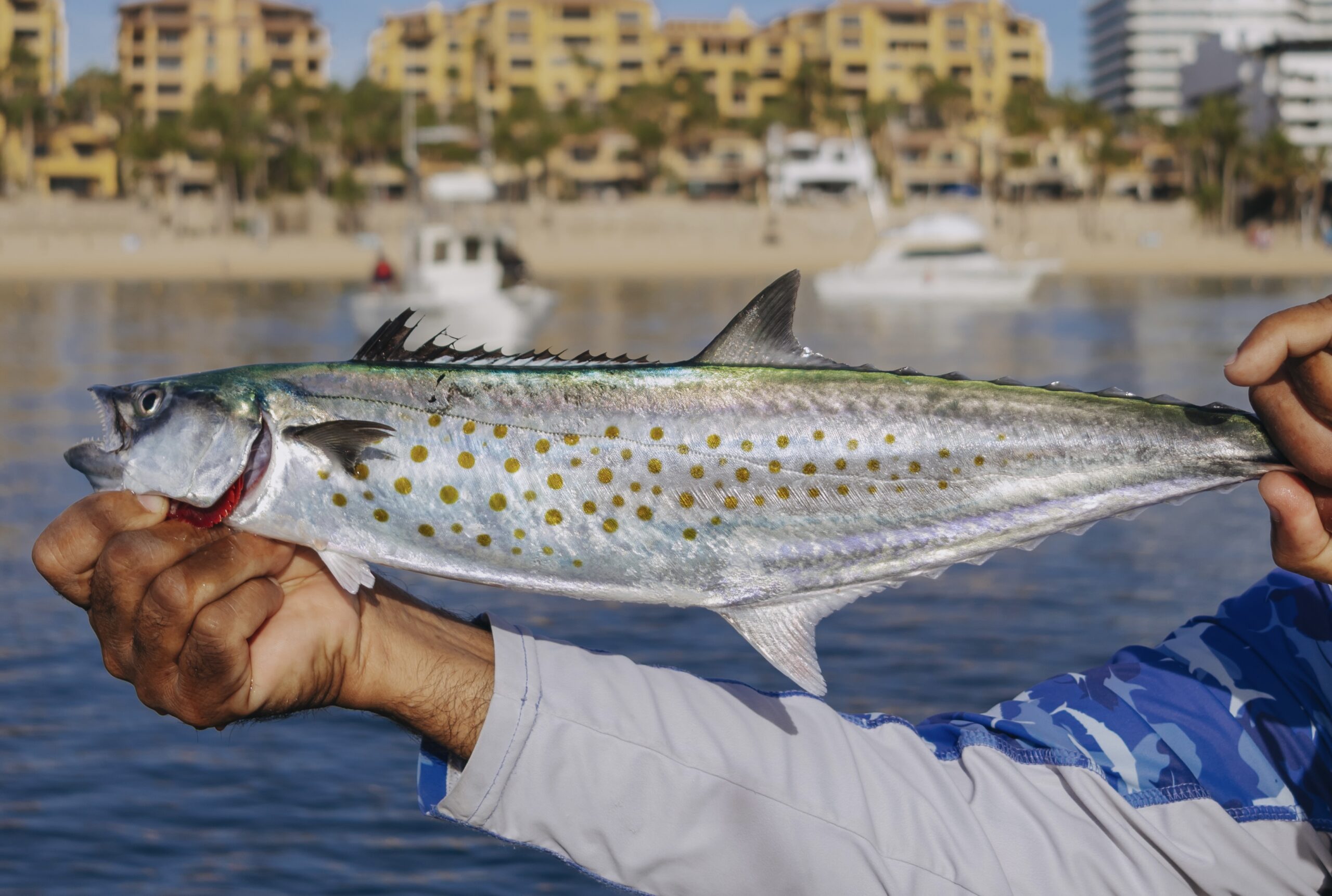
🐠 6. Sierra Mackerel
Perfect for light tackle fishing close to shore.
🎯 Best season: Winter
📍 Location: Inshore waters
🎣 Techniques: Casting lures
👉 Great for beginners and families
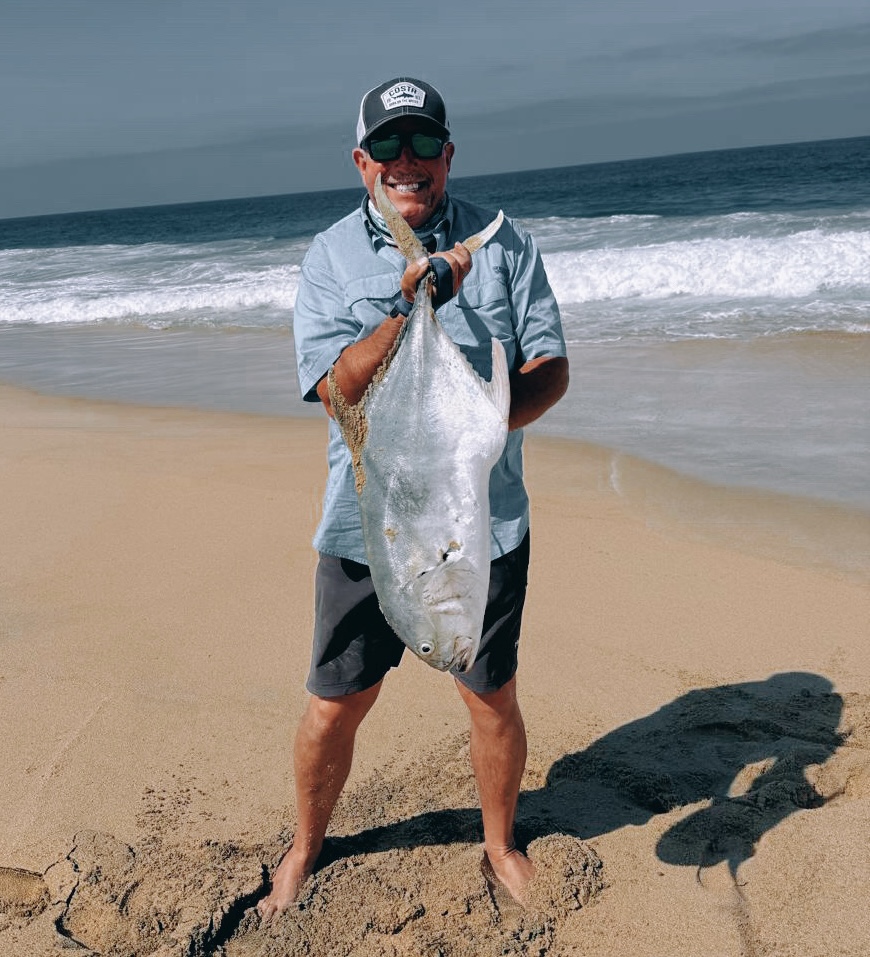
🐟 7. Jack Crevalle
Known for their strength, jack crevalle put up an incredible fight.
🎯 Best season: Year-round
📍 Location: Inshore & beaches
🎣 Techniques: Poppers, live bait
👉 Pound-for-pound one of the strongest fish
🐟 8. Grouper (Cabrilla)
Bottom fishing in Cabo offers great opportunities for grouper.
🎯 Best season: Winter & Spring
📍 Location: Rocky structure
🎣 Techniques: Jigging, bait fishing
👉 A hidden gem in Cabo fishing
🐟 9. Snapper
Snapper are great table fare and fun to catch.
🎯 Best season: Year-round
📍 Location: Reefs & structure
🎣 Techniques: Bottom fishing
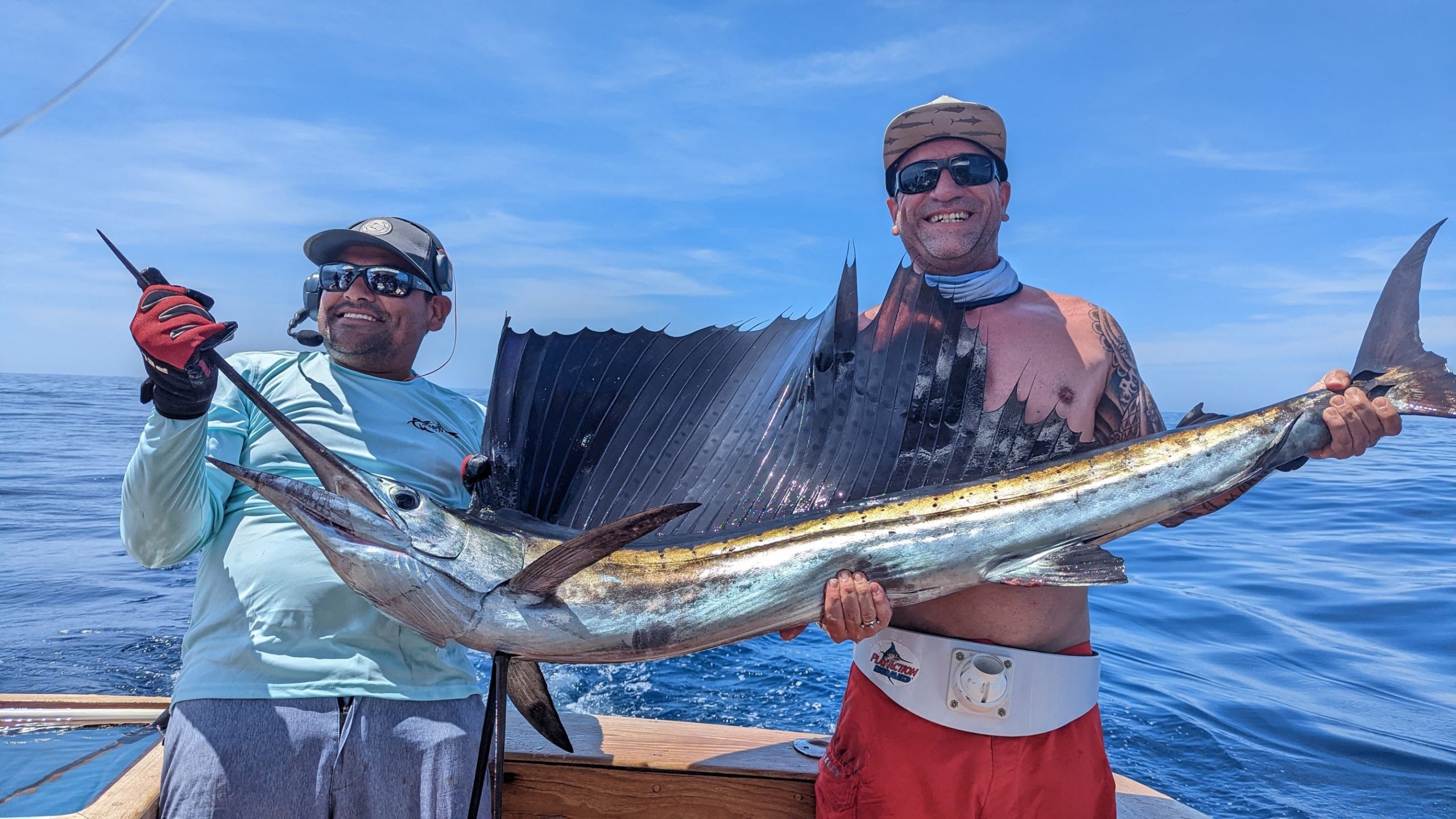
🐟 10. Sailfish
Sailfish are fast, acrobatic, and exciting to catch.
The unique location of Cabo—where the Pacific Ocean meets the Sea of Cortez—creates nutrient-rich waters that attract bait and large predators year-round.
This is why anglers can:
Catch multiple species in one trip
Fish both inshore and offshore the same day
Experience world-class sportfishing in every season
Cabo San Lucas Fishing Report – Spring Conditions Are Heating Up 🔥
Fishing in Cabo San Lucas is shaping up to be excellent this spring, with consistent action across multiple species and favorable water conditions on the Sea of Cortez side.
Over the past week, strong winds on the Pacific side have pushed most of the fleet toward the Sea of Cortez, where conditions have been much calmer and highly productive.
Water temperatures are currently ranging between 77°F and low 80s, creating the perfect environment for pelagic species to thrive.
🎣 Offshore Action Striped marlin fishing has been very consistent, with good numbers being spotted and raised daily. Most fish are being found within 10–20 miles from shore, often near bait concentrations and temperature breaks.
Dorado and wahoo are also in the mix, providing exciting opportunities for anglers looking for both action and great table fare.
Yellowfin tuna have been showing strong activity, especially in the San José del Cabo area near El Cabrillo, where schools have been feeding aggressively.
🌊 Inshore & Surf Fishing Inshore fishing has been outstanding, with excellent numbers of:
Sierra mackerel
Roosterfish
Jack crevalle
These species are being caught right along the beaches, making this an ideal time for surf fishing enthusiasts and light tackle anglers.
🐟 Bottom Fishing For those looking to bend rods nonstop, bottom fishing around structure has been producing quality groupers and other reef species—perfect for a fun and productive day on the water.
👉 Ready to fish Cabo like a pro? Join us at Tag Cabo Sportfishing and experience world-class fishing with expert local captains, top-tier equipment, and luxury service.
The remote coastline of Agua Amarga, Baja California Sur, is quickly gaining attention among serious anglers looking for some of the best beach fly fishing opportunities in the East Cape of the Sea of Cortez.
Located between Los Barriles and Punta Pescadero, Agua Amarga features miles of untouched shoreline where powerful inshore predators such as roosterfish, jack crevalle, and sierra mackerel patrol the beaches in search of baitfish.
Unlike the more crowded fishing zones around Cabo San Lucas, the beaches of Agua Amarga remain relatively untouched, making them ideal for fly anglers who enjoy exploring remote waters and sight casting to aggressive fish.
With the right conditions, anglers can experience unforgettable moments watching roosterfish charge a fly just meters from the sand.
Why Agua Amarga Is Perfect for Beach Fly Fishing
The beaches of Agua Amarga offer a combination of natural features that make them extremely productive for fly anglers.
Key factors include:
Deep water close to shore, allowing large predators to hunt near the beach
Rocky points and reef structures that concentrate baitfish
Seasonal sardine runs that attract roosterfish and jacks
Consistent currents from the Sea of Cortez
These conditions create ideal ambush zones where roosterfish often push bait toward the shoreline.
For fly anglers, this means exciting opportunities for sight fishing and explosive topwater strikes.
Top Beaches for Fly Fishing in Agua Amarga
North Agua Amarga Beach
The northern section of Agua Amarga features long sandy beaches with gradual drop-offs. This area is particularly productive during spring and early summer when sardine schools move along the East Cape.
Roosterfish frequently cruise the shoreline here, especially during early morning hours.
This area is ideal for anglers who prefer to walk long stretches of beach while searching for feeding fish.
Rocky Points of Agua Amarga
Several rocky outcroppings along the Agua Amarga coastline create structure that holds bait and attracts predator fish.
These areas are prime spots for targeting:
Jack crevalle
Sierra mackerel
Snapper and grouper close to structure
Casting baitfish patterns around these rocky points can produce aggressive strikes, particularly when bait schools are present.
South Agua Amarga Beach Toward Punta Pescadero
The southern portion of Agua Amarga transitions into deeper water and stronger currents as the coastline approaches Punta Pescadero.
This section can produce larger roosterfish and occasional dorado during warmer months.
Fly anglers often focus on areas where currents push bait close to shore, especially when birds are actively diving.
Target Species for Fly Fishing in Agua Amarga
Fly anglers fishing the beaches of Agua Amarga commonly encounter several powerful gamefish species.
Roosterfish (Nematistius pectoralis)
Roosterfish are the primary target species for most fly anglers visiting Baja California Sur. These fish are famous for their distinctive dorsal fins and explosive strikes.
When feeding near the beach, roosterfish will aggressively attack sardine or mullet imitations.
Jack Crevalle
Jack crevalle are extremely aggressive and provide some of the hardest fights on fly gear.
They often appear suddenly when bait schools push toward the shoreline.
Sierra Mackerel
Sierra mackerel are common along the East Cape beaches and are especially active during cooler months.
They respond well to fast retrieves with shiny baitfish flies.
Dorado (Mahi Mahi)
During summer months, dorado occasionally move close enough to shore to be targeted by fly anglers fishing Agua Amarga.
Best Fly Fishing Setup for Agua Amarga Beaches
Because roosterfish and jack crevalle are powerful fish, most anglers use heavy saltwater fly gear.
Recommended equipment includes:
10–12 weight fly rods
Large arbor saltwater reels with strong drag systems
Intermediate or floating fly lines
40–60 lb fluorocarbon leaders
Effective fly patterns include:
Sardina flies
Deceiver baitfish patterns
Brush flies
Roosterfish poppers
Matching the size and color of local baitfish can dramatically increase success.
Best Time of Year to Fly Fish Agua Amarga Beaches
While Agua Amarga offers fishing opportunities throughout much of the year, the most productive seasons are:
April – July Prime roosterfish season along the beaches.
July – October Warm water attracts dorado and large bait schools.
November – March Good opportunities for sierra mackerel and jack crevalle.
Because Agua Amarga sits along the productive waters of the Sea of Cortez, seasonal bait movement plays a major role in determining fish activity.
Local Knowledge Makes the Difference
Anglers who spend time studying the East Cape region quickly learn that success often depends on understanding:
baitfish migration
water temperature changes
tidal current movement
Experienced local captains and anglers who fish the waters around Los Barriles, Punta Arena, and Agua Amarga understand how these conditions influence where fish will be feeding.
Tools such as satellite temperature charts and chlorophyll maps can also help anglers locate productive areas where baitfish and predators gather.
Can you catch roosterfish from the beach in Agua Amarga?
Yes. Roosterfish often cruise the shoreline in shallow water, making Agua Amarga one of the best locations in Baja California Sur for beach fly fishing.
What is the best time to fly fish Agua Amarga?
The best months are typically April through July, when roosterfish activity is highest along the beaches.
What flies work best in Agua Amarga?
Sardina patterns, Deceivers, brush flies, and poppers that imitate local baitfish are among the most effective flies.
🎣 Plan Your Fly Fishing Adventure in Agua Amarga
If you’re looking to experience fly fishing in Agua Amarga, Baja California Sur, our team at Tag Cabo Sportfishing can help you explore some of the most productive beaches along the East Cape.
With over 16 years of fishing experience in Los Cabos and the Sea of Cortez, we specialize in helping anglers target roosterfish, jack crevalle, and other exciting inshore species using fly gear and light tackle techniques.
Whether you’re an experienced fly angler or looking to try fly fishing in Baja for the first time, we can help you plan a memorable fishing adventure.
📍 Fishing Areas: Agua Amarga • Los Barriles • Punta Pescadero • East Cape Baja California Sur
To provide the best experiences, we use technologies like cookies to store and/or access device information. Consenting to these technologies will allow us to process data such as browsing behavior or unique IDs on this site. Not consenting or withdrawing consent, may adversely affect certain features and functions.
Functional
Always active
The technical storage or access is strictly necessary for the legitimate purpose of enabling the use of a specific service explicitly requested by the subscriber or user, or for the sole purpose of carrying out the transmission of a communication over an electronic communications network.
Preferences
The technical storage or access is necessary for the legitimate purpose of storing preferences that are not requested by the subscriber or user.
Statistics
The technical storage or access that is used exclusively for statistical purposes.The technical storage or access that is used exclusively for anonymous statistical purposes. Without a subpoena, voluntary compliance on the part of your Internet Service Provider, or additional records from a third party, information stored or retrieved for this purpose alone cannot usually be used to identify you.
Marketing
The technical storage or access is required to create user profiles to send advertising, or to track the user on a website or across several websites for similar marketing purposes.