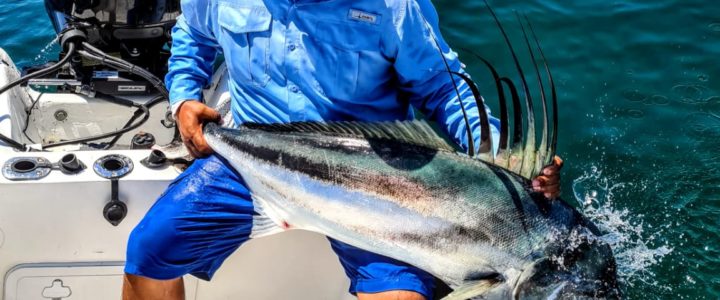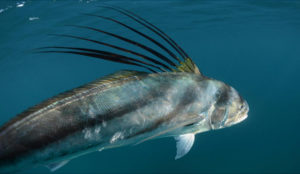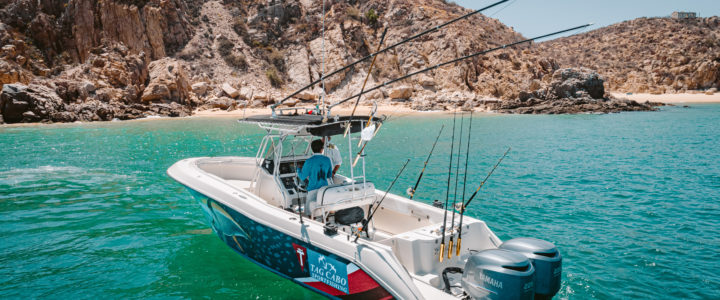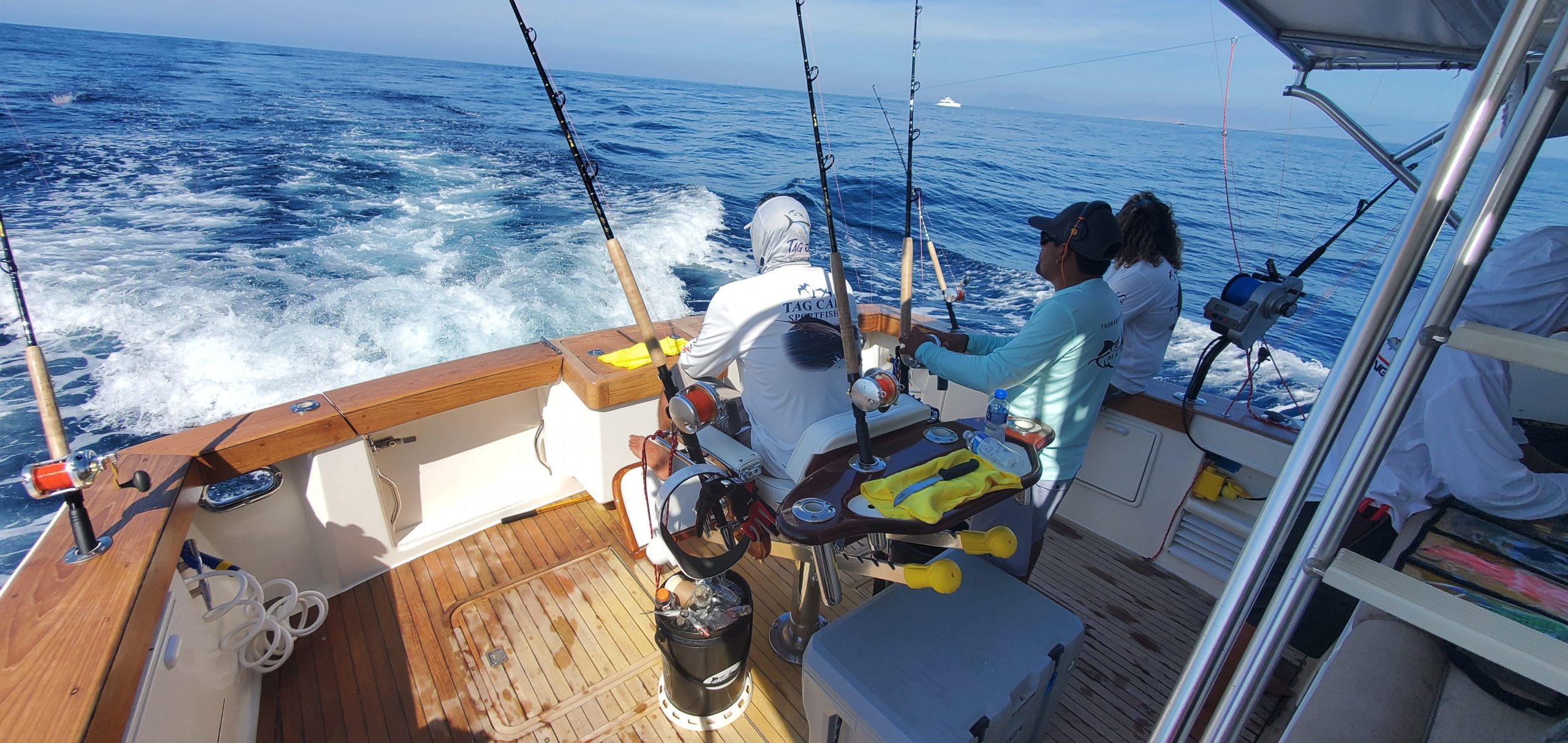
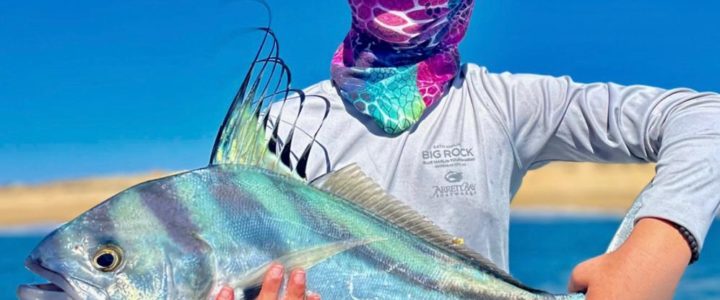
10 Techniques to catch roosterfish

10 Techniques to catch roosterfish

10 Techniques to catch roosterfish

10 Techniques to catch roosterfish

  1. Trolling with lures: Roosterfish are known to be aggressive predators, so using lures that mimic their natural prey can be effective.
  2. Live bait fishing: Live bait, such as caballito or mullet, can be used to target roosterfish.
  3. Jigging: Jigging with heavy metal jigs can be a good technique for catching roosterfish in deeper waters.
  4. Drift fishing: Drift fishing with live bait or lures can be an effective way to cover a large area and find roosterfish.
  5. Popping: Popping with large surface lures can be effective for catching roosterfish that are feeding on the surface.
  6. Fly fishing: Fly fishing with streamers or poppers can be an effective technique for catching roosterfish in shallow waters.
  7. Kite fishing: Kite fishing is a technique in which a kite is used to pull a bait or lure through the water, which can be an effective way to target roosterfish.
  8. Chumming: Chumming with sardines or other fish can be an effective way to attract roosterfish to the area.
  9. Trolling with dead bait: Trolling with dead bait, such as bonito or mackerel, can be a good technique for catching roosterfish in deeper waters.
  10. Bait casting: Bait casting with heavy tackle can be an effective way to catch larger roosterfish.

Roosterfish are typically found in the waters off the coast of Baja California, Mexico and Central America, particularly in the Gulf of California and around the tip of the Baja Peninsula. Some of the best areas to find roosterfish include:

  1. Cabo San Lucas: This popular tourist destination is known for its excellent roosterfish fishing, particularly during the summer months.
  2. La Paz: Located on the Sea of Cortez, La Paz is known for its large roosterfish population and is a popular destination for sportfishers.
  3. Loreto: This small town on the Sea of Cortez is known for its excellent roosterfish fishing and is a popular destination for fly fishing.
  4. San Jose del Cabo: Located at the southern tip of the Baja Peninsula, San Jose del Cabo is known for its large roosterfish population and is a popular destination for sportfishers.
  5. Guatemala: The pacific coast of Guatemala is also known to have good population of roosterfish and is an emerging destination for sportfishers.
  6. Costa Rica: The Pacific coast of Costa Rica is known for having good population of roosterfish and is a popular destination for sportfishers.
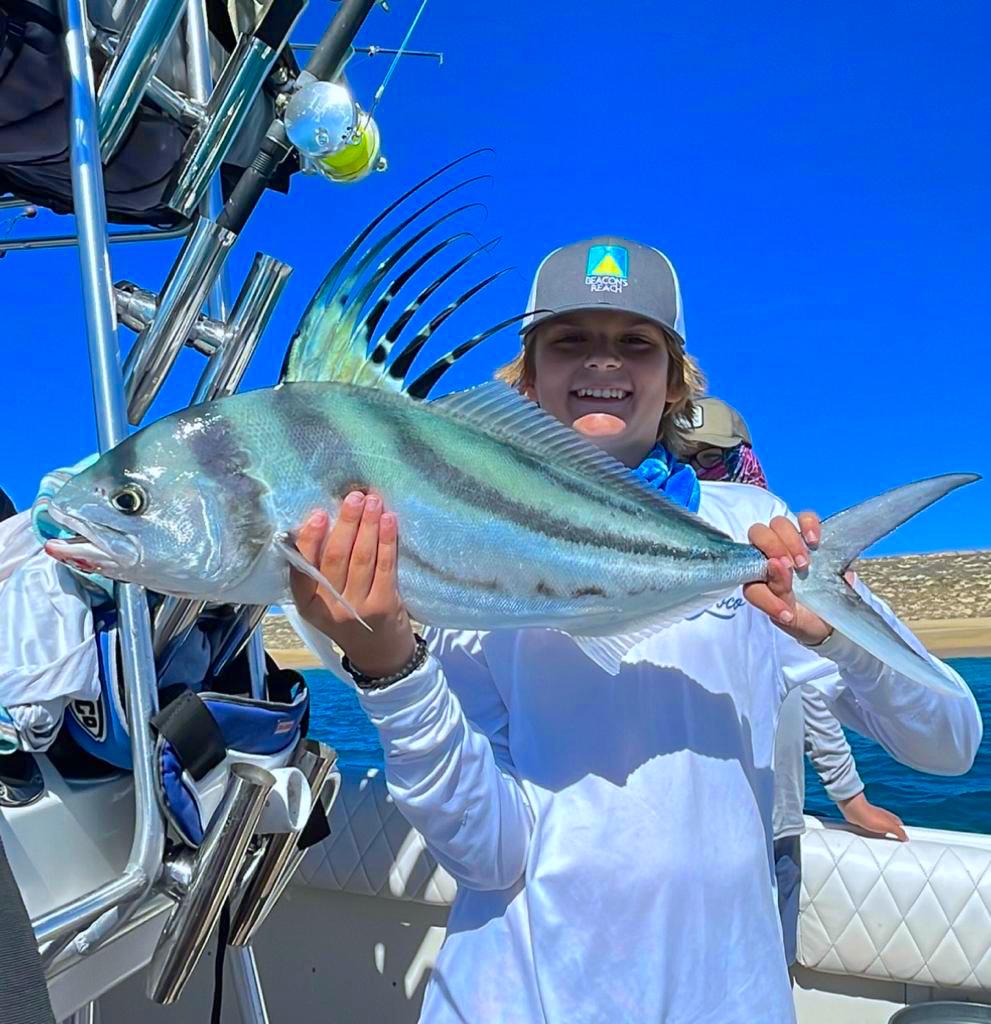
10 Techniques to catch roosterfish

It’s important to note that the best areas and times to find roosterfish can vary depending on factors such as water temperature, tides, and the presence of baitfish. It’s recommended to consult with local fishing guides for the most up-to-date information.

For information about a Roosterfish guided trip in Cabo San Lucas reach out to us via email at tagsportfishing@gmail.com or click on the link to fill out our contact form. Roosterfish in Cabo San lucas
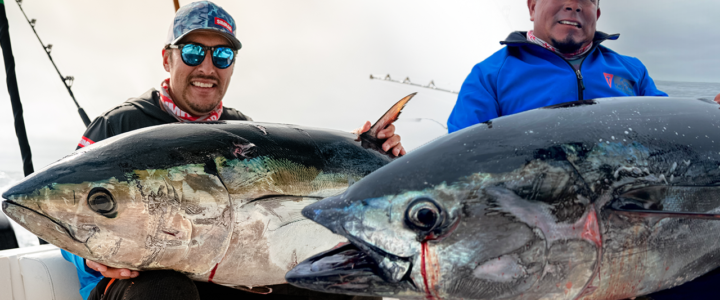

 

Experience The Baja

Experience The Baja

Experience The Baja

Ensenada, located in Baja California, Mexico, is known for its rich marine life and diverse fishing opportunities. Anglers from all over the world come to Ensenada to experience the thrill of catching a variety of species in the Pacific Ocean.

One of the most popular species to catch in Ensenada is the yellowtail. Yellowtail are a type of amberjack and can weigh up to 60 pounds. They are known for their strong fight and are commonly caught using live bait or jigs. Yellowtail can be found year-round in Ensenada, but the best time to catch them is during the summer months.

Another popular species in Ensenada is the white seabass. White seabass can weigh up to 60 pounds and are known for their excellent taste. They can be caught using live bait or artificial lures and are commonly found near kelp beds and rocky structure. The best time to catch white seabass is during the spring and summer months.

The Baja is also home to a variety of other species, including halibut, calico bass, sand bass, rockfish, and lingcod. Halibut can weigh up to 200 pounds and are known for their strong fight. They can be caught using live bait or artificial lures and are commonly found in the deeper waters of Ensenada. Calico bass and sand bass are smaller species that can be caught using artificial lures or live bait. They can be found near kelp beds and rocky structure. Rockfish and lingcod are also commonly caught in Ensenada, and can be found near rocky structure and in deeper waters.

Ensenada is also a popular destination for sportfishing, and anglers can catch a variety of game fish such as marlin, tuna, and dorado. Marlin, which can weigh up to 800 pounds, are known for their strong fight and are commonly caught using live bait or artificial lures. Tuna, which can weigh up to 200 pounds, can be caught using live bait or artificial lures and are commonly found in the warmer waters of Ensenada. Dorado, also known as mahi-mahi, can weigh up to 60 pounds and are known for their bright colors and excellent taste. They can be caught using live bait or artificial lures and are commonly found in the warmer waters of Ensenada.

Ensenada also offers a variety of fishing charters and guides for anglers to choose from. These charters and guides can provide everything from tackle and bait to experienced crew and boats equipped with the latest technology. They can also help anglers plan their trip and target specific species.

In conclusion, Ensenada offers a wide variety of fishing opportunities for anglers of all skill levels. From yellowtail and white seabass to marlin and dorado, there is something for everyone in Ensenada. With the help of experienced guides and charters, anglers can make the most of their fishing trip to Ensenada and catch the species of their dreams.

The Valle de Guadalupe in Baja California, Mexico is a culinary destination not to be missed. Known for its delicious and diverse food, the valley is home to a variety of restaurants, wineries, and food trucks that offer unique and authentic experiences.

A great culinary recommendation is Booze & Grub in El Valle de Guadalupe. El Valle de Guadalupe Glamping

One of the most popular culinary experiences in the valley is wine tasting. The Valle de Guadalupe is known for its excellent wine, with many local wineries producing a wide range of varietals. Visitors can tour the wineries, learn about the winemaking process, and sample different wines, from crisp whites to full-bodied reds.

In addition to wine, the valley is also home to many excellent restaurants that specialize in traditional Mexican cuisine. These restaurants often feature locally-sourced ingredients, including fresh seafood caught off the coast of Baja California, and traditional cooking methods. Visitors can sample delicious dishes such as fish tacos, ceviche, and carne asada, all cooked to perfection.

Food trucks are also a popular option in the valley, offering street-food-style meals that are both delicious and affordable. Visitors can find everything from traditional Mexican street food like tacos and tamales to more modern and creative fare such as Asian fusion and fusion-style dishes.

For those looking for a more upscale dining experience, the valley also offers a number of high-end restaurants that feature innovative and modern cuisine. These restaurants often feature a mix of local and international ingredients and are known for their unique and delicious dishes.

Overall, the Valle de Guadalupe offers a wide range of culinary experiences for visitors to enjoy. Whether you’re a wine enthusiast, a foodie, or simply looking for a unique and delicious dining experience, the valley has something to offer for everyone. So come and explore the culinary delights of the Valle de Guadalupe, you won’t be disappointed.

Glamping El Valle de Guadalupe

The Valle de Guadalupe in Baja California, Mexico is not only known for its delicious food and wine, but also for its unique and luxurious camping experiences, known as “glamping.”

Glamping in El valle de Guadalupe is a unique way to experience the great outdoors while still enjoying the comforts of home. Visitors can choose from a variety of glamping options, including luxury tents, yurts, and even treehouses. These accommodations are equipped with all the amenities you need to make your stay comfortable, including comfortable beds, electricity, and private bathrooms.

One of the best things about glamping in the Valle de Guadalupe is the stunning natural surroundings. The valley is known for its beautiful landscapes, with rolling hills, lush vineyards, and stunning sunsets. Glamping accommodations are often located in secluded areas, allowing visitors to fully immerse themselves in nature and enjoy the peace and tranquility of the valley.

In addition to the beautiful natural surroundings, glamping in the valley also offers easy access to the many wineries and restaurants in the area. Visitors can spend the day exploring the valley and sampling the delicious food and wine, and then return to their glamping accommodations in the evening to relax and unwind.

Whether you’re looking for a romantic getaway or a unique vacation experience, glamping in the Valle de Guadalupe is an excellent choice. With its beautiful natural surroundings, delicious food and wine, and luxurious accommodations, it’s the perfect destination for anyone looking to experience the great outdoors in style.


How Water Temperature Breaks and Plankton Blooms Lure Big Game Fish

How Water Temperature Breaks and Plankton Blooms Lure Big Game Fish

How Water Temperature Breaks and Plankton Blooms Lure Big Game Fish

Welcome to another exciting post on the Tag Cabo Sportfishing blog! Today, we’re diving into the secret world beneath the waves, where water temperature breaks and plankton blooms significantly influence big game fish behavior. Plus, we’ve got a special offer for our readers – keep reading to find out more!


Temperature Breaks and Plankton Blooms Lure Big Game Fish

Decoding Temperature Breaks

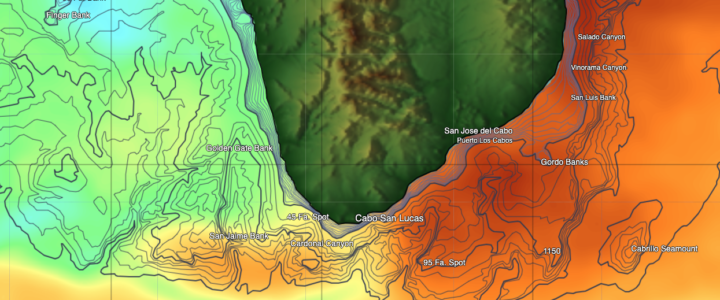
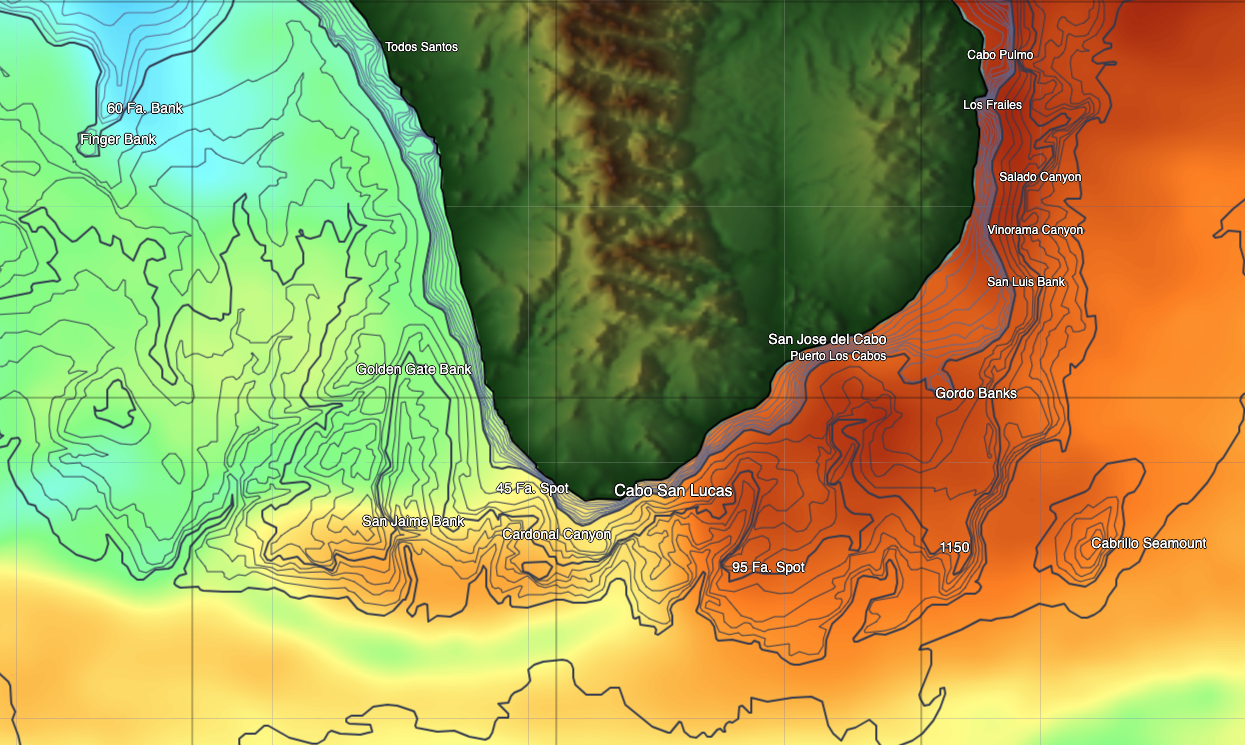
In the vast blue, water temperature breaks are crucial for savvy anglers. These are areas where there’s a significant change in water temperature, creating a perfect habitat for marine life, including prized game fish. Identifying these breaks is a game-changer, and that’s where SATFISH comes in with its real-time sea surface temperature data, guiding you to these fishing hotspots.

The Importance of Plankton Blooms

Plankton blooms are another key to unlocking a successful fishing trip. These massive gatherings of microscopic life form the foundation of the ocean’s food chain, attracting an array of fish species. SATFISH’s technology enables you to locate these blooms, opening up a world of fishing opportunities.

Synergy of Temperature Breaks and Plankton Blooms

Where temperature breaks and plankton blooms intersect, you’ll find a fishing paradise. SATFISH excels in pinpointing these zones, combining sea surface temperature and chlorophyll concentration data. This information is your secret weapon for locating thriving fishing spots.

Exclusive Offer for Our Readers

Here’s the deal we promised: As a Tag Cabo Sportfishing blog reader, you get $20 USD off your new SATFISH subscription! Just use the Discount Code TAGCABO when you sign up. It’s our way of saying thank you and helping you get the most out of your fishing adventures.


Using SATFISH to Your Advantage

Using SATFISH effectively requires understanding its maps and data. Focus on areas where temperature contrasts and high chlorophyll levels overlap – these are your hotspots. And remember, with your TAGCABO promo code, this invaluable tool is now even more accessible.

Sustainable Fishing Practices

While we pursue the thrill of the catch, let’s also commit to preserving our marine ecosystems. Practice sustainable fishing by adhering to catch and release guidelines, respecting size and bag limits, and being mindful of the environment.

Conclusion

Understanding the ocean’s dynamics and utilizing tools like SATFISH can transform your fishing experiences. Use Promo Code TAGCABO to get started on your journey to finding the best fishing spots. Share your success stories with us, and here’s to unforgettable fishing adventures!


Surf fishing in Cabo San Lucas & The East Cape

Surf fishing in Cabo San Lucas & The East Cape

Surf fishing in Cabo and the East Cape

For those who don’t do well with the “motion of the ocean” and prefer to stay on solid ground.  Cabo San Lucas has abundance of surf fishing options. 

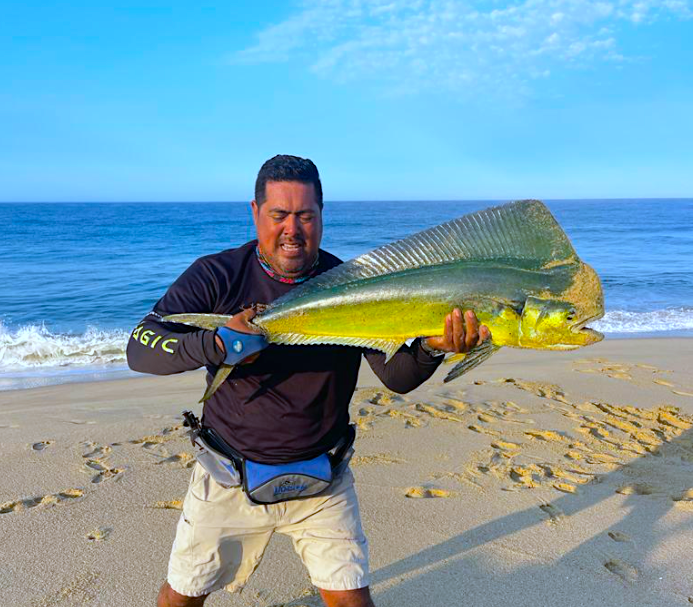
You can catch dorados in the surf from November to January on the Pacific side with what we call “loud lures” that can be cast far from the beach. They are referred to as “loud lures” because they make a lot of splashes on the surface of the water and imitate bait escaping from its prey. This lures will help you catch dorados, jack craviels and roosterfish along with many other species found in our coast line.   

Spinning gear is the most common tackle for shore casting, although you’ll still see locals using hand lines baited with freshly caught sand crabs or small pieces of cut bait. Spinning gear allows you to cast past the breakers, and your rod should be between 10 and 13 feet in length to get the leverage and distance needed.

We provide Guided surf fishing trips at Rancho San Cristobal with our professional guide Martin Almazan.

For inquiries email us at tagsortfishing@gmail.com or click on the lick. Surf fishing in Cabo San Lucas.  

Surf fishing in Cabo San Lucas & The East Cape

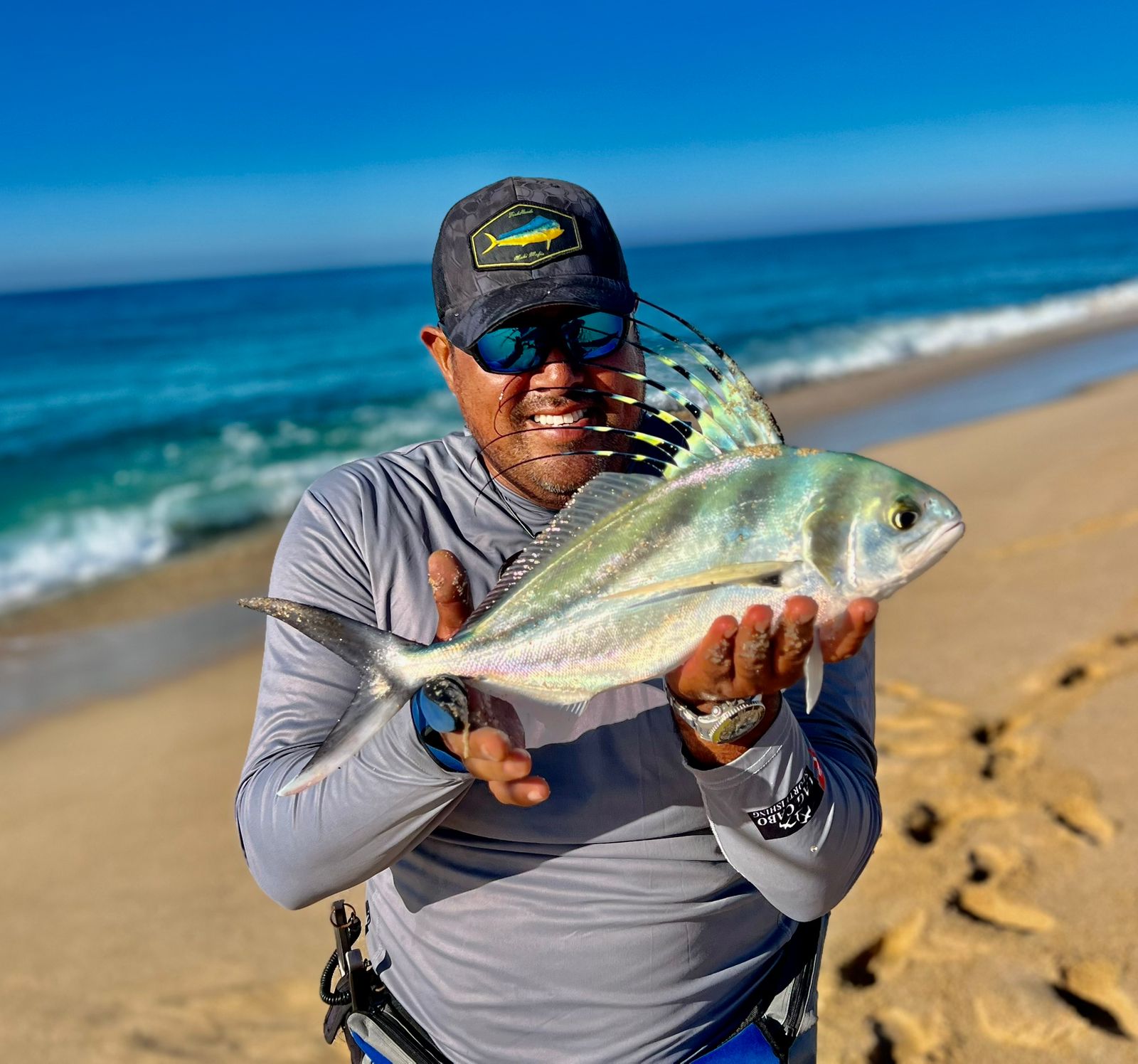
One of the most common surf casting targets is the Roosterfish (pez gallo), which average 15 to 30 pounds but can grow to more than 100 pounds. This is one of the most sought after and the largest of our surf species, and they can put up quite a fight.

There is a variety of snapper in our area, including red, Dogtooth, Cubera, and Hogfish. Most of these max out around 20 pounds, but they are deceptively strong. They are all found in rocky areas, from which they ambush their prey. Due to their habitat, heavy line and leader is a must in order to prevent being cut off on the rocks. I recommend blind casting when you suspect they’re nearby.

Grouper live and feed in the same areas, and people often reel in ten-pounders. While Jack Crevalle and Roosterfish are normally found cruising outside the sandy beaches, but they occasionally dart into the rock for a bit of opportunistic feeding.

Surf fishing is a great way to spend time exploring the coast of Los Cabos and the East Cape. You’ll find many well known spots such as “Rooster Alley” in Los Frailes as well as discovering some of your own secret spots.

Surf fishing in Cabo San Lucas & The East Cape

One key to successful surf fishing down here is using the right lures and having a long surf casting rod matched with a quality spinning reel.

If you’re thinking about bringing your own gear, at minimum a 7-9 foot medium stiff rod paired up a good quality spinning reel spooled up with 30# braid. A good selection of metal lures like Krocodiles, Kastmasters and Megabaits should be in your bag as should some crank baits including Rapalas and a few poppers and surface walkers. I wouldn’t head to the shore without a couple Kabo Killers made by Stephen Jansen either. There simply outstanding performers especially for roosterfish. Bring along some wire leader material as well if you’re likely to encounter some sierra. They’re toothy like a wahoo and will cost you some lures without the wire leaders. Plastic swim baits work well also. Bring along a selection of 1/2 to 4 ounce lead heads and paint them up in a few different colors like red, white and blue. If you want them to really get bit, get a little glue, some glitter and make em sparkle. Finish those off with a dot of white paint for an eyeball… very fishy!

For more information on our Surf fishing guided tours please reach out at tagsportfishing@gmail.com or click on the link Surf fishing tours

How to Catch Roosterfish When You Go to Cabo San Lucas for Sports Fishing?

How to Catch Roosterfish When You Go to Cabo San Lucas for Sports Fishing?

Sports Fishing


Found in high concentrations in the inshore waters of Cabo San Lucas, Roosterfish is best known as the predator of the surf. It is the greatest inshore game fish that fights hard for survival and gives a tough time to anglers when hooked. So, if you’re looking for a fun-filled and super exciting adventure at sea, then prepare yourself to battle it out with Roosterfish.

Before we share with you some proven tips for catching Roosterfish. Let us first give you an overview of what this game fish actually looks like. Read more

A Simple Guide to November Fishing in Cabo San Lucas

A Simple Guide to November Fishing in Cabo San Lucas

A Simple Guide to November Fishing in Cabo San Lucas

Cabo fishing in November is an excellent opportunity for you to enjoy a relaxing vacation. In case you didn’t know, Cabo is open for fishing throughout the year. So, no matter when you come here, you will always have fishing opportunities. But, November is a special month for Cabo fishing for many reasons.

Fishing Cabo San Lucas in the month of November is especially good for family trip. You can indulge in a variety of activities in and around Cabo. Fishing, of course, remains a very popular Cabo activity.

If you have decided to plan a trip to Cabo in November, you are in the right place. Here, you will find all the important information you need for your Cabo vacation.

Why November is a Good Month for Fishing

Cabo fishing in November means the weather is good, and you can fish for some of the most popular big games like Tuna. In fact, many sought-after fish species are available in abundance. All you have to do is book a trip by hiring a charter boat and you are all set to go.

The average high temperature in November in Cabo is 87 °F, and it is a perfect number for a da fishing. You can spend all your day fishing in this weather. Whether you choose inshore or offshore fishing, you will have plenty to enjoy.

What Type of Cabo Fishing you Can Do?

Now, to the most important question: what type of fishing you can do. Rest assured, there are many game fishes you can choose on your trip. Temperature and humidity drop in November, and you will have plenty of fish species to choose from.

Here is a list of some of the most popular game fish species for fishing in Cabo San Lucas:

1. Wahoo Fishing

Wahoo fish species is one of the most popular game fish Cabo San Lucas. And, they are perfect for deep-sea fishing. Cabo waters attract Wahoo in large numbers. It is a large fish and not easy to catch. Meaning, it is a great option for sportfishing. You can expect it to put up a good fight. With a fishing guide, you can learn the tricks to catch a Wahoo fish.

Hiring a charter service for Wahoo fishing is one of the best ways to enjoy fishing in Cabo. It comes with all-inclusive features to make your trip more enjoyable.

2. Sailfish

Sailfish is a large fish and it is very fast. Its fin will remind you of boat sails. If you like sportfishing, and need something more challenging then go for sailfish. November is a great month for sailfish fishing. They are available in huge numbers in November and you will have plenty of opportunities. You can book a fishing charter for fishing for sailfish.

3. Tuna Fishing in Cabo

November is the month for Tuna fishing. Tuna is a very popular commercial fish and anglers love this species. It is a large fish, and offers challenge most anglers look for. If you come to Cabo San Lucas in November, you can choose Tuna fishing to enjoy some adventurous time.

The Western Outdoor Network Tuna Jackpot tournament was held between November 6th through the 9th. In case you missed it this time, you can join tournaments next year.

For those who love sportfishing, Cabo San Lucas is the best place for tournaments. You will find many fishing tournaments scattered around the year. Choose your month and plan a trip around tournaments so that you can take part in.

4. Dorado

Dorado is a very popular fish species in Cabo, and is available during November fishing. They are large and heavy, making it an excellent choice for people who like sportfishing. Apart from being large, this fish species also has beautiful appearance. You can book a charter fishing service to get the most out of your trip.

November Cabo San Lucas Fishing Report

November fishing in Cabo San Lucas is very popular. You can take part in the tournament and enjoy fishing for some of the most popular game fish. The list includes Tuna, Blue Marlin, Wahoo, Roosterfish and more.

But, before you set out, you must check the Cabo San Lucas fishing report. A fishing report provides all the details you need to plan your trip. It offers information on:

  • Weather
  • Air
  • Water
  • Humidity
  • Wind
  • Behavior of the fish

The information is important for planning a successful trip. The last thing you need is a heavy rain while you are in the water. The fishing report is prepared by the anglers or experts. They record the data when they are out there fishing.

The fishing report predicts the likely condition in the coming few days. Check the report to find out the best time or day for a fishing trip.

The Bottom Line

Cabo fishing in November is an excellent way to enjoy fishing via deep-sea fishing, tournaments and onshore fishing. Popular fish species like Tuna, Dorado and Wahoo are available in huge quantities during the month of November.

Tag Cabo Sportfishing offers Cabo San Lucas fishing in November with charter service. We also provide Cabo San Lucas fishing report to help you plan your trip. Hire our charter service and enjoy fishing with expert guides. Choose the fish species you want to catch, and we will customize the trip to suit your needs.

Contact us for enquiries – https://tagcabosportfishing.com/contact/