East Cape Fishing Adventures

East Cape Fishing Adventures

East Cape Fishing Adventures – Catching Yellowfin Tuna on Poppers and Flies
East Cape Fishing Adventures – Catching Yellowfin Tuna on Poppers and Flies

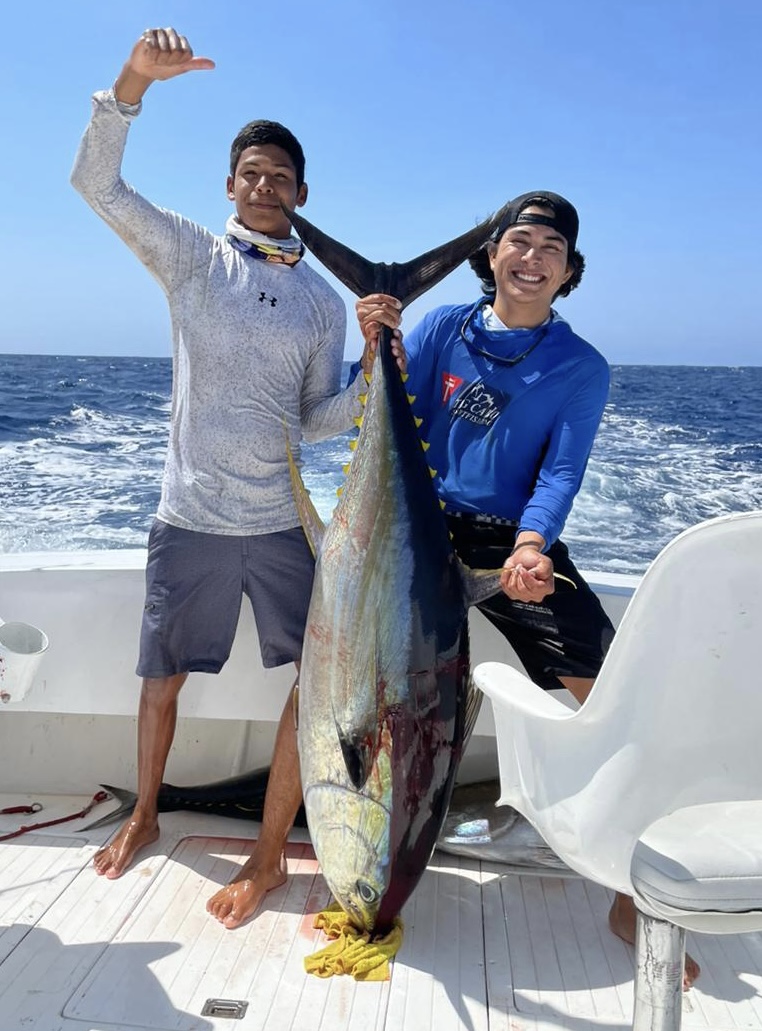
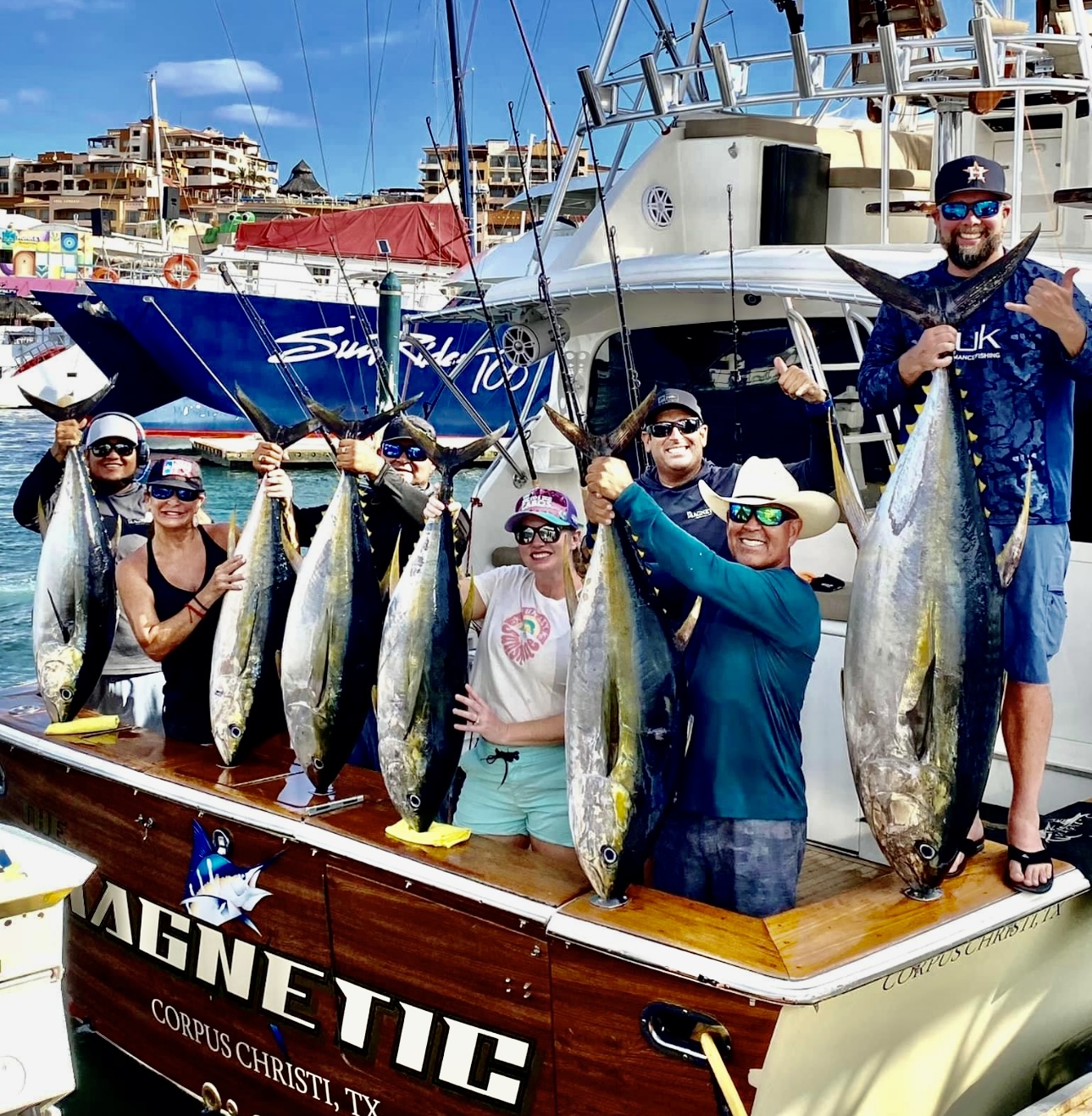
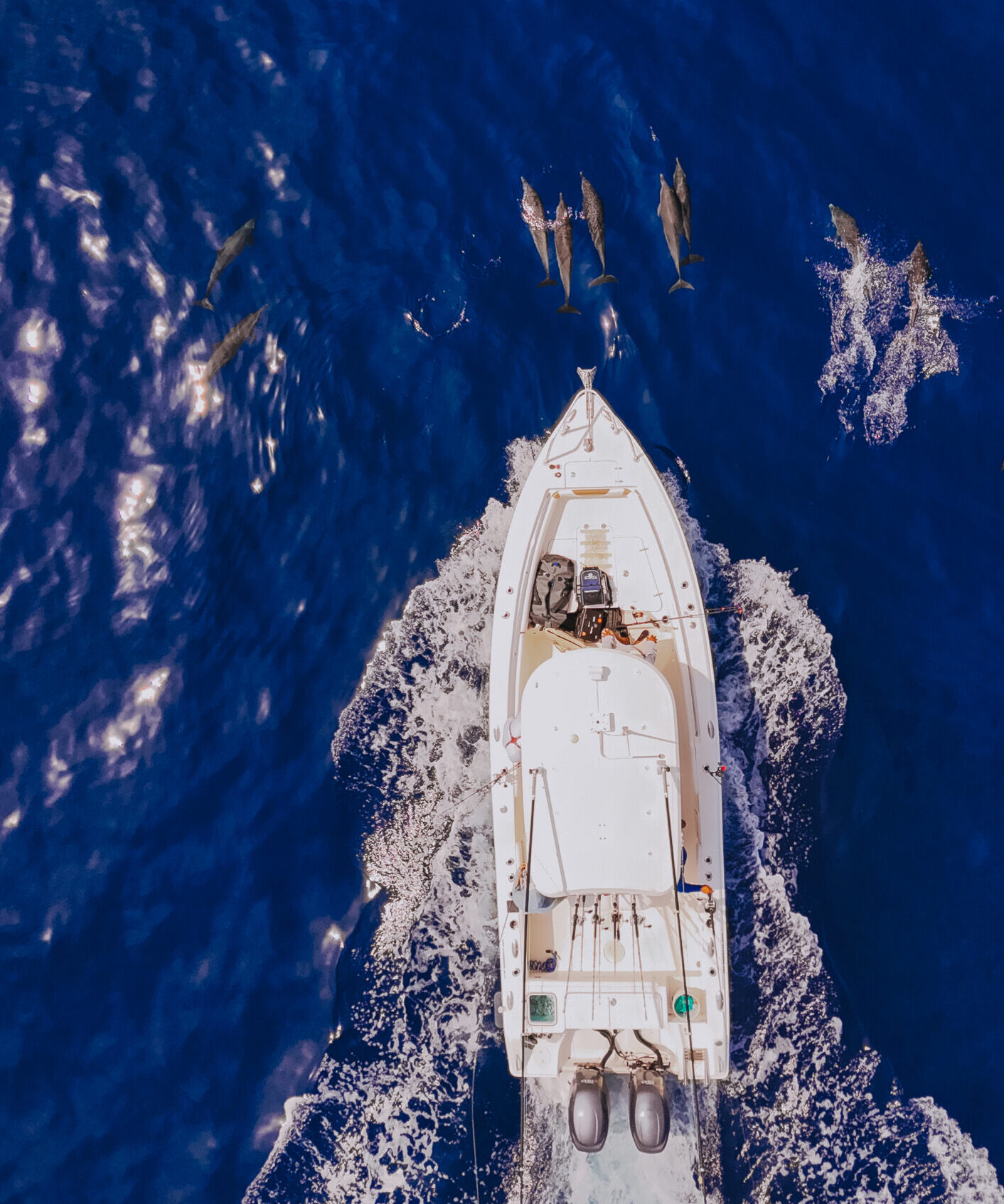
The East Cape of Baja California Sur has always been a paradise for anglers, but some days out here simply feel magical. Just a couple of days ago, our team headed out from the East Cape waters, and we were met with schools of yellowfin tuna feeding on the surface. Instead of trolling, we decided to challenge ourselves with poppers and flies—and the action was unforgettable.

Explosive Topwater Action

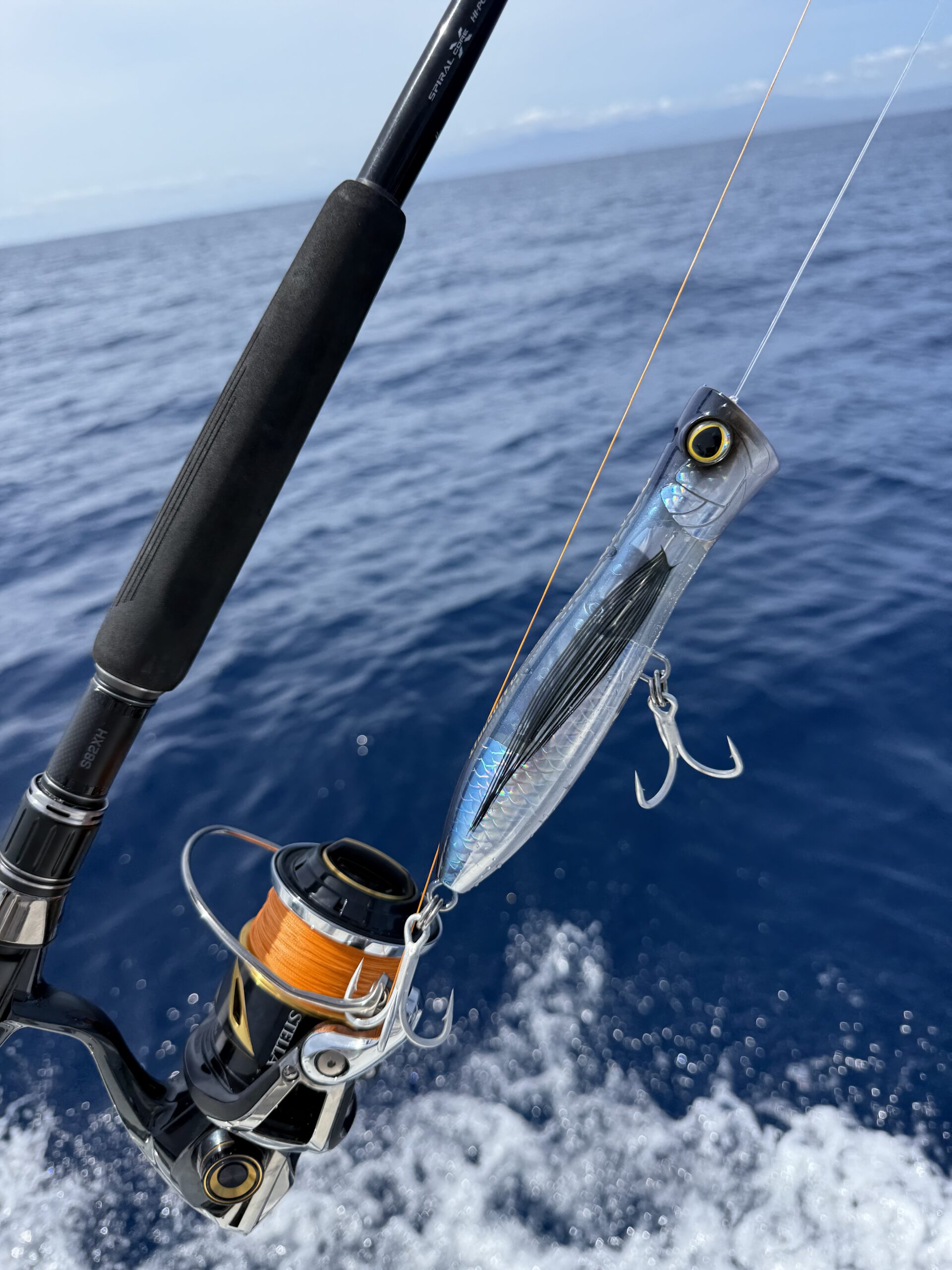
If you’ve ever watched a tuna explode on a popper, you know the adrenaline rush it creates. Every cast across the foamy surface was met with powerful strikes, and the yellowfin gave us blistering runs that tested both our arms and our gear. For fly anglers, the challenge was just as intense—placing the fly accurately into a feeding frenzy and feeling that sudden hit is an experience like no other.
East Cape Fishing Adventures – Catching Yellowfin Tuna on Poppers and Flies

Why East Cape is a Tuna Hotspot

The beauty of fishing in the East Cape lies in its unique geography. Warm currents from the Sea of Cortez meet an abundance of bait, creating the perfect feeding ground for pelagic species. Unlike longer offshore runs in other destinations, tuna here can often be found just a short distance from the beach. That means more fishing and less travel time, maximizing your chances for action.

Techniques That Work

For anglers planning a trip, here’s what worked for us:

  • Poppers: Large chuggers and stickbaits retrieved quickly to mimic fleeing baitfish.
  • Flies: Sardine and anchovy patterns with sinking lines for deeper schools, and floating lines for surface action.
  • Boat positioning: Key to success—our crew worked hard to keep us in casting range of the feeding tuna.

These techniques don’t just produce fish—they create a level of excitement that trolling can’t always deliver.

The Ultimate Multi-Day Fishing Experience

While our day was full of tuna chaos, what makes East Cape truly special is the variety of species you can target across several days. Imagine starting one day with yellowfin tuna, chasing roosterfish along the beaches the next, and finishing with marlin or dorado offshore. A single day can give you a taste of the action, but a multi-day trip unlocks the full East Cape experience.

Plan Your East Cape Adventure

If you’ve been dreaming of topwater tuna strikes, screaming reels, and unforgettable moments on the water, now is the time to plan your East Cape fishing trip. At Tag Cabo Sportfishing, we offer customized multi-day packages that combine luxury, professional crews, and the best gear with the raw thrill of Baja sportfishing.

👉 Contact us today to reserve your East Cape adventure and experience yellowfin tuna on poppers and flies for yourself.
Cabo San Lucas Marlin Fishing Guide

Cabo San Lucas Marlin Fishing Guide

Cabo San Lucas Marlin Fishing Guide: Best Seasons, Techniques & Luxury Charters

Cabo San Lucas Marlin Fishing Guide

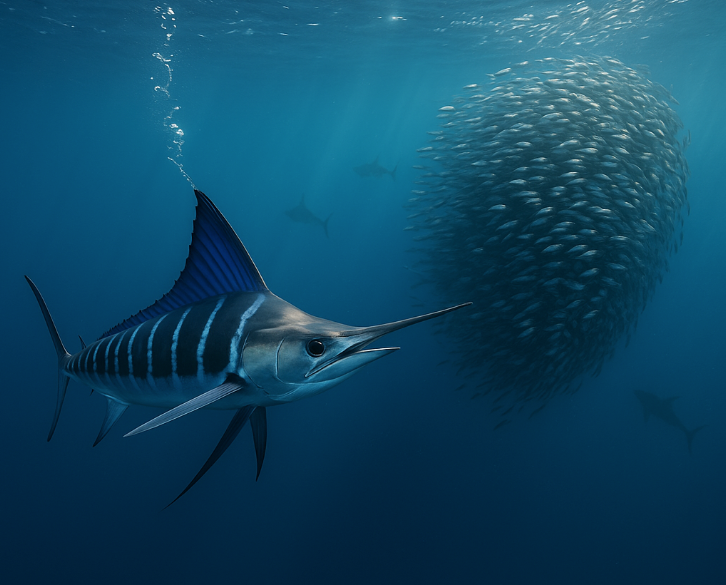
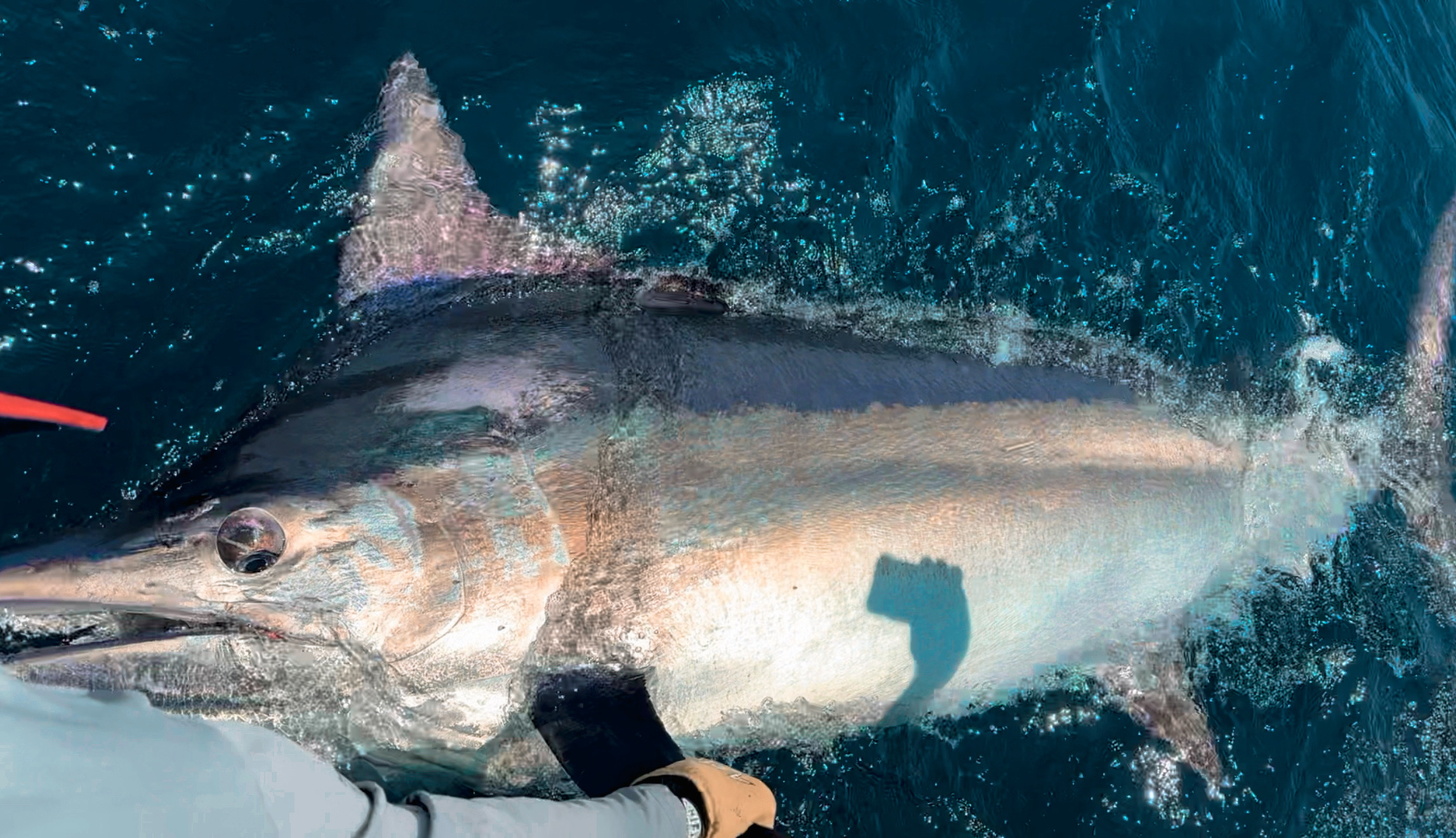
Cabo San Lucas is known as the Marlin Capital of the World, attracting anglers from around the globe who dream of battling these majestic billfish. At Tag Cabo Sportfishing, we specialize in creating unforgettable marlin fishing experiences, from half-day adventures to multi-day luxury charters onboard our world-class fleet.

Whether you’re after striped marlin, blue marlin, or black marlin, this guide will show you the best times of year, the techniques we use, and how to make the most of your Cabo fishing trip.

Best Time for Marlin Fishing in Cabo

  • Striped Marlin: Found year-round, but peak season is November through April.
  • Blue Marlin: Best from July through October, when warmer waters draw them closer.
  • Black Marlin: Less common but present during late summer and fall.

👉 Because of Cabo’s unique geography—where the Sea of Cortez meets the Pacific Ocean—you have chances at marlin almost any month of the year. For a broader look at what to expect across all species, see our Ultimate Guide to Sportfishing in Cabo San Lucas.

And if you’re planning your trip around weather, you’ll also want to read our blog on timing your Cabo sportfishing adventure around rainfall.


Techniques Our Guides Use

  • Trolling Live Bait & Lures: We often slow-troll caballitos, mackerel, or rigged ballyhoo to entice strikes.
  • Pitch Baiting: When marlin show on the surface, our crew is quick to drop a live bait right in front of them.
  • Teaser & Switch: Using teasers to raise fish, then switching to a live bait or lure for the hookup.
  • Light Tackle Action: For experienced anglers, we offer Shimano Stellas and lighter gear for a true challenge.

For more on how offshore trips differ from nearshore experiences, check out our Ultimate Guide to Deep-Sea and Offshore Fishing in Cabo San Lucas.

Cabo Marlin Migration Report

Why Go With a Professional Guide

Hiring a professional Cabo fishing guide makes all the difference:

  • Local Knowledge: Our captains know the canyons, seamounts, and currents where marlin feed.
  • Premium Gear: Every trip is outfitted with top-of-the-line Shimano reels, custom rods, and teasers.
  • Safety & Comfort: From luxury yachts to smaller sportfishers, we provide safe, comfortable, and fully crewed trips.
  • Catch & Release Ethics: As conservation advocates, we tag and release billfish to ensure future generations enjoy them.

If you’re wondering how to choose the right team, don’t miss our blog on finding the best fishing guide in Cabo.


Luxury Marlin Fishing Charters

For anglers seeking more than just a day trip, our luxury overnight charters offer the ultimate marlin experience. Imagine spending multiple days on the water, fishing sunrise to sunset, then anchoring at remote coves with white-sand beaches.

  • Fleet Options: From our 67ft Bertram to the 98ft Baratucci.
  • Inclusions: Private chef, premium open bar, Starlink WiFi, kayaks, and snorkeling gear.
  • Customization: Whether it’s a hardcore fishing expedition or a family-friendly adventure, we design each trip around your needs.

👉 Explore our Cabo Yacht Charters


Final Thoughts

Cabo San Lucas offers one of the world’s best marlin fisheries, and with the right guide, you’ll maximize your chances of a trophy catch and unforgettable memories. Whether it’s a single-day marlin hunt or a multi-day luxury fishing expedition, Tag Cabo Sportfishing is ready to take you there.

Fishing is about more than the catch—it’s about creating memories together. That’s why we celebrate our shared passion for sportfishing with every guest who joins us.

📩 Contact us today to plan your Cabo marlin fishing trip and experience the thrill of fishing with expert guides.

Tagsportfishing@gmail.com

2025 Cabo Marlin Migration Report

2025 Cabo Marlin Migration Report

Ocean Conditions Shaping the Season

The 2025 Los Cabos billfish season is unfolding under neutral El Niño–Southern Oscillation (ENSO) conditions, with a shift toward La Niña expected by fall. Cooler currents along the Pacific side of Baja typically mean stronger upwellings, more sardines and mackerel, and bigger concentrations of marlin. For anglers planning their trips, that’s the recipe for world-class fishing in Cabo.

Cabo Marlin Migration Report

Striped Marlin – The Backbone of Cabo Sportfishing

Striped marlin are present year-round, but their migration creates several peak windows:

  • Winter–Spring (Jan–Mar): The Golden Gate and San Jaime banks hold steady numbers, offering multiple release opportunities per trip.
  • Fall (Oct–Dec): As the Magdalena Bay sardine run begins, massive schools of striped marlin gather to feed, creating surface chaos few fisheries can match.
  • Late Fall–Winter (Nov–Feb): The Finger Bank striped marlin grounds north of Cabo deliver some of the highest catch-and-release rates anywhere, with double-digit daily releases common in peak weeks.

Blue Marlin – Prime Summer Action

Blue marlin season runs June–October, and 2025 has been no exception. By July and August, boats were consistently raising fish in the 200–400 lb class. With sea temps holding in the low 80s, September still offers excellent chances for anglers chasing that electric strike and high-flying acrobatics only blues deliver.

Cabo Marlin Migration Report

Black Marlin – Giants on Gordo Banks

Although less common, black marlin are the fish of a lifetime in Cabo. The Gordo Banks area produced multiple blacks over 600 lbs this August, along with stories of fish well over 800 lbs lost in battle. Live skipjack and small tuna are the best offerings, and anglers in September and October still have a great chance to encounter one of these heavyweights.

2025 Hotspots for Marlin

  • Magdalena Bay (Oct–Dec) – Bait-ball striped marlin action during the sardine run.
  • Finger Bank (Nov–Feb) – Legendary striped marlin aggregations for anglers willing to make the long run.
  • Golden Gate & San Jaime (Winter–Spring) – Reliable striped marlin grounds when the Pacific cools.
  • Gordo Banks (Aug–Oct) – The spot for big blues and blacks, along with tuna and dorado.

Proven Techniques for 2025

  • For Striped Marlin: Pitch live caballito or mackerel into surface frenzies, with teasers ready.
  • For Blues and Blacks: Troll large lures at 7–8.5 knots, then pitch live skipjack or small tuna on heavy leaders (150–200 lb).
  • For All Species: Use advanced electronics like SIMRAD sonar and overlay data from SatFish to locate bait schools and productive current lines before the rest of the fleet.

Conservation: Responsible Billfishing

At Tag Cabo Sportfishing, conservation is non-negotiable. We practice and promote catch-and-release billfishing, using heavy tackle to reduce fight times and circle hooks to minimize injury. With striped marlin massing in the thousands and giant blacks still roaming Gordo Banks, protecting these fish ensures that Cabo remains the sportfishing capital of the world for generations to come.

Plan Your Trip Around the Migration

  • September–October: Hunt blue and black marlin on the Sea of Cortez side.
  • October–December: Experience the sardine run at Magdalena Bay or target striped marlin on the Finger Bank.
  • Winter–Spring 2026: Return for the Golden Gate and San Jaime striped marlin fishery.

👉 Whether you want to chase a grander blue, hook into a black marlin off Gordo, or witness the chaos of striped marlin blitzing bait balls, Cabo in 2025 has it all. Browse our fleet of Fishing experiences and let us customize your adventure.

Reach Out to us via Email at tagsportfishing@gmail.com

C-MAP vs. Navionics: Why Cabo’s Top Captains Use Both

C-MAP vs. Navionics: Why Cabo’s Top Captains Use Both
C-MAP vs. Navionics

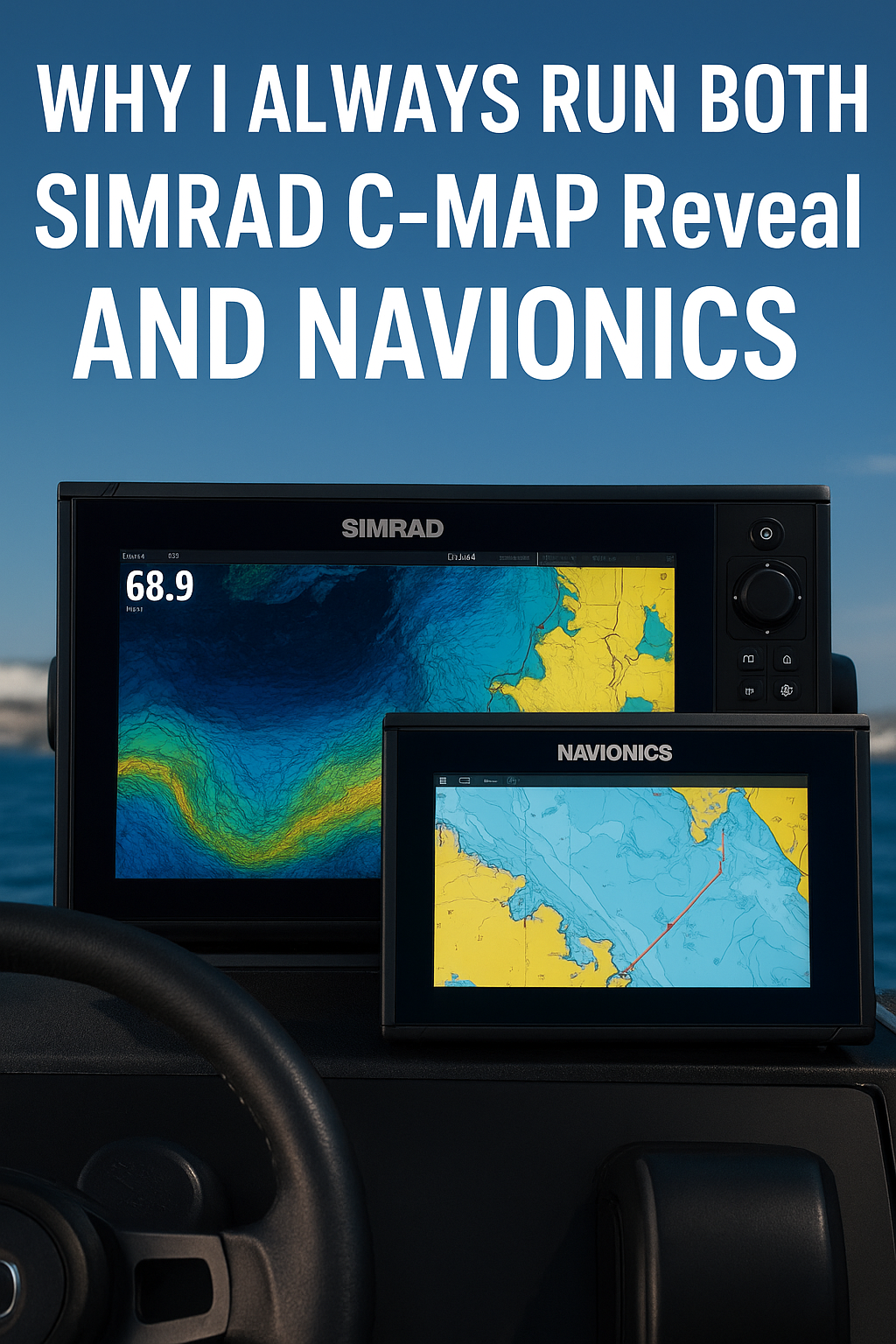
Why I Recommend Having Both a SIMRAD C-MAP Reveal and a Navionics Card on Your Screen

As the owner of Tag Cabo Sportfishing here in Cabo San Lucas, I’ve spent years fine-tuning the electronics setup on my boats to give my clients the best possible fishing experience. One of the biggest game changers has been running both a SIMRAD C-MAP Reveal card and a Navionics card side by side on my screens.

While they serve different purposes, together they give me an unmatched level of detail and efficiency on the water. Here’s why I highly recommend having both.


Navionics – My Go-To for Navigation

Navionics has become an industry standard for navigation, and for good reason:

  • Highly detailed nautical charts for accurate route planning.
  • User-friendly interface that’s quick to read while underway.
  • Precise waypoints and markers for safe navigation through known fishing grounds and harbors.

I rely on Navionics to set up my routes and control my autopilot, especially when running long distances. Its navigation features are clean, easy to follow, and give me the confidence that I’m on the most efficient and safest path.


SIMRAD C-MAP Reveal – My Secret Weapon for Finding Fish

When it comes to fishing-specific detail, nothing beats C-MAP Reveal.

  • High-resolution bathymetric data that clearly shows canyons, ledges, and underwater structures.
  • Shaded relief view for a 3D-like perspective of the ocean floor.
  • Ideal for pinpointing prime fishing spots where bait and big pelagic fish are likely to gather.

I use C-MAP Reveal primarily after reviewing water temperatures, chlorophyll concentrations, and wind conditions on my SatFish App in the morning. Once I identify a promising zone, I switch over to my C-MAP screen to find nearby canyons, ridges, or drop-offs where the fish might be holding.


My Daily Setup

I run two screens on my bridge:

  1. Screen One – SIMRAD C-MAP Reveal: To identify underwater structures and potential fishing hotspots based on my morning SatFish analysis.
  2. Screen Two – Navionics: To plot my route and engage the autopilot so I can head straight to the fishing grounds while keeping an eye on navigation hazards.

This combination lets me find the fish faster, navigate more safely, and spend more time with lines in the water rather than guessing where to go.


Why You Should Have Both

While either system works great on its own, using both unlocks their full potential:

  • C-MAP Reveal gives you the fishing detail you need to locate productive waters.
  • Navionics keeps your route precise and safe.
  • Together, they save fuel, time, and increase your chances of hooking into big game.

As someone who has been sportfishing in Cabo for over 16 years, I can tell you—having the right charts on your screens can make the difference between a slow day and a record-breaking catch.


If you’re looking to upgrade your electronics or get the most out of your current setup, feel free to visit us at Tag Cabo Sportfishing. We’re happy to share what works best for us on the waters of Baja California Sur.


Arturo Chacón
Owner, Tag Cabo Sportfishing


Cabo Sportfishing: Timing Your Saltwater Adventure Around Rainfall

Cabo Sportfishing: Timing Your Saltwater Adventure Around Rainfall

When it comes to sportfishing, Cabo San Lucas offers an unparalleled experience. The area is rich in marine life, and the conditions are often perfect for a day out on the water. But one question many anglers have is: When is the best time to go fishing in Cabo—before or after it rains? In this blog, we dig deep into Cabo sportfishing, focusing on how rainfall affects the fish and your chances of making a great catch

The Importance of Weather in Cabo Sportfishing

Weather can play a pivotal role in determining your success in sportfishing. In Cabo San Lucas, known for its sunny climate and rich marine biodiversity, rain isn’t too common but does occur. When it does, it can have both positive and negative impacts on your fishing experience.

Cabo Sportfishing

Fishing Before the Rain in Cabo

Pros:

  1. Feeding Frenzy in Cabo Waters: Just like in other saltwater regions, fish in Cabo sense the drop in barometric pressure that precedes a storm. This can trigger a feeding frenzy, making it an excellent time for sportfishing.
  2. Clear Waters for Cabo Sportfishing: The Sea of Cortez and the Pacific Ocean surrounding Cabo are known for their clarity, which is often at its peak before a storm, making it easier for species like marlin and tuna to spot your bait.
  3. Predictable Fish Behavior: Whether you’re after dorado, yellowfin tuna, or wahoo, you’ll likely find them in their usual haunts before a rainstorm in Cabo.

Cons:

  1. Limited Time for Fishing in Cabo: A fast-approaching storm can cut your sportfishing adventure short.
  2. Cabo Sportfishing Safety Concerns: As with any saltwater fishing location, safety is paramount. Cabo San Lucas can experience strong winds and rough seas as a storm approaches.

Cabo Sportfishing

Fishing After the Rain in Cabo

Pros:

  1. Nutrient Boost in Cabo Waters: Rain can wash nutrients into the oceans around Cabo, attracting schools of baitfish, which in turn lure in predators like marlin and sailfish.
  2. Refreshing Conditions for Cabo Sportfishing: The air and water may cool down after a rain, encouraging fish to move to shallower waters.
  3. Enhanced Environment: Rain can oxygenate the water around Cabo, providing a more hospitable environment for fish.

Cons:

  1. Murky Conditions: Even in the clear waters of Cabo, rain can churn up sediment, reducing visibility for both anglers and fish.
  2. Unpredictable Behavior: After a storm, Cabo’s usual hotspots for sportfishing may not be as productive.
  3. Debris in Cabo Waters: Rain can wash debris into the sea, complicating your Cabo sportfishing experience.

Cabo Sportfishng

The Verdict: Be Versatile and Informed

So, is it better to go sportfishing in Cabo San Lucas before or after the rain? There’s no definitive answer. Each option has its pros and cons, largely depending on what you’re looking to catch. Here are some final tips tailored for Cabo sportfishing:

  1. Cabo Sportfishing Safety: Always check weather forecasts and sea conditions before heading out.
  2. Know Your Cabo Fish: Whether you’re targeting marlin, tuna, or dorado, understanding their behavior can give you an edge.
  3. Flexible Cabo Sportfishing: Conditions can change rapidly, so be prepared with a range of baits and lures.
  4. Local Knowledge: Consult with Cabo San Lucas sportfishing experts for the latest tips and updates on where to fish, especially after a rainfall.

Whether you decide to embark on your Cabo sportfishing adventure before or after the rain, remember that each trip offers unique opportunities to learn and enjoy the richness of the Cabo San Lucas waters. Happy fishing!


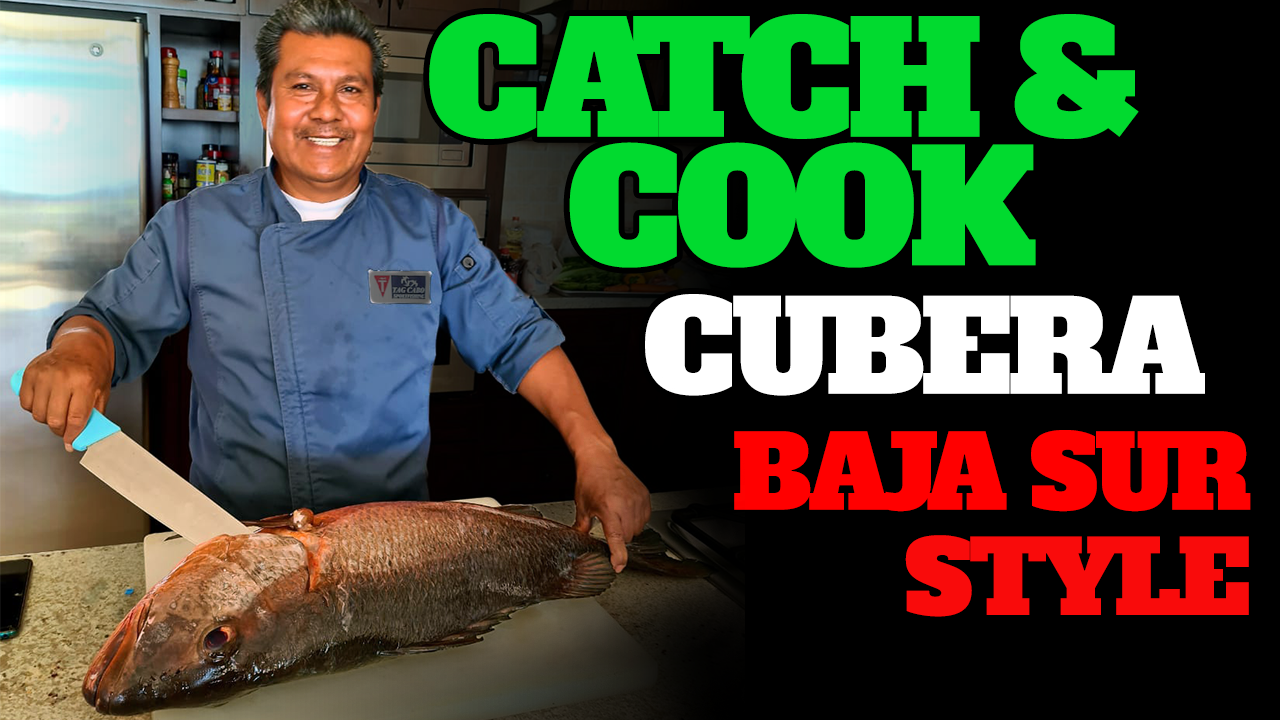
Cubera Snappers: Some of the Best Eating Fish Out There!

Cubera Snappers: Some of the Best Eating Fish Out There!

Cubera Snappers: Some of the Best Eating Fish Out There! (Plus, Must-Try Recipes)

Where to Catch Cubera Snapper?

Before diving into the culinary goodness, it’s worth noting that you can catch Cubera Snapper in several parts of the world. However, one of the most popular and picturesque locations to find this delectable fish is Cabo San Lucas, Mexico. The waters around this famous vacation destination are teeming with Cubera Snapper, making it a paradise for anglers. Not only do you get the thrill of the catch, but you also have the makings of a fantastic meal right at your fingertips!

What Makes Cubera Snapper So Special?

The Cubera Snapper is a large saltwater fish found primarily in the Western Atlantic Ocean. Its firm, white flesh is known for its subtle sweetness and mild flavor, making it incredibly versatile in the kitchen. Unlike some other fish varieties that may have overpowering flavors, the Cubera Snapper takes on the flavors of the ingredients it is cooked with, making it ideal for a variety of recipes.

Cooking Techniques for Cubera Snapper

This wonderful fish can be prepared in numerous ways:

  • Grilling: Its firm flesh holds up well on the grill.
  • Baking: A healthier option that preserves its natural flavors.
  • Sautéing: Quick and easy, perfect for weeknight dinners.
  • Deep-frying: When you’re in the mood for something indulgent.

Must-Try Cubera Snapper Recipes

Grilled Cubera Snapper with Garlic and Lemon Herb Sauce

Ingredients:

  • 4 Cubera Snapper fillets
  • 2 cloves garlic, minced
  • Juice of 1 lemon
  • 1/4 cup olive oil
  • Fresh herbs (thyme, rosemary, and parsley), finely chopped
  • Salt and pepper to taste

Instructions:

  1. In a bowl, mix garlic, lemon juice, olive oil, and herbs.
  2. Season the fish with salt and pepper.
  3. Marinate the fish in the herb mixture for at least 30 minutes.
  4. Preheat the grill to medium-high heat.
  5. Grill each side for 4-5 minutes or until the fish is opaque.
  6. Serve immediately.

Baked Cubera Snapper with Tomato and Olives

Ingredients:

  • 4 Cubera Snapper fillets
  • 1 can diced tomatoes
  • 1/2 cup Kalamata olives, pitted and sliced
  • 2 tbsp capers
  • 1 onion, sliced
  • 2 cloves garlic, minced
  • 1/4 cup white wine
  • Olive oil
  • Salt and pepper to taste

Instructions:

  1. Preheat the oven to 400°F (200°C).
  2. In a baking dish, layer the sliced onions, then place the fish fillets on top.
  3. Season the fish with salt and pepper.
  4. In a bowl, mix diced tomatoes, olives, capers, and garlic.
  5. Pour the tomato mixture over the fish.
  6. Drizzle white wine and a bit of olive oil over everything.
  7. Bake for 20-25 minutes or until the fish flakes easily.
  8. Serve hot.

Sautéed Cubera Snapper with Mango Salsa

Ingredients:

  • 4 Cubera Snapper fillets
  • 1 ripe mango, diced
  • 1 red bell pepper, diced
  • 1/4 cup cilantro, chopped
  • Juice of 1 lime
  • Salt and pepper to taste
  • Olive oil for sautéing

Instructions:

  1. In a bowl, combine mango, red bell pepper, cilantro, and lime juice. Mix well and set aside.
  2. Heat olive oil in a skillet over medium heat.
  3. Season the fish fillets with salt and pepper.
  4. Sauté the fish for 3-4 minutes per side, or until cooked through.
  5. Serve the fish hot, topped with mango salsa.


Cubera Snappers: Some of the Best Eating Fish Out There!

Conclusion

Cubera Snapper is undoubtedly one of the best-eating fish you’ll ever try. Its versatility makes it an excellent option for a range of recipes. So the next time you’re at the fish market, consider picking up some Cubera Snapper fillets and treating yourself to a culinary delight that’s both delicious and versatile.

Bon appétit!