
Seeing Below the Surface: How Today’s Sonar Helps Us Recognize Fish Species
Anyone who’s spent time on the water knows that sonar can be your best ally — but it’s only as good as your ability to read it. Those colorful arches, streaks, and clusters on the screen are more than random marks — they tell a story.
With modern CHIRP sonar systems, anglers can now go beyond simply spotting fish. We can start to identify what kind of fish we’re seeing, by combining signal shape, depth, and behavior.
A recent article from the Simrad Learning Hub dives deep into how advanced sonar technology is changing the way we detect and interpret fish beneath the surface. You can read it here:
👉 Fish Identification with Sonar Technology.
Let’s break down the main concepts and how you can use them to become a more intuitive angler.
1. Arches Tell You More Than Presence
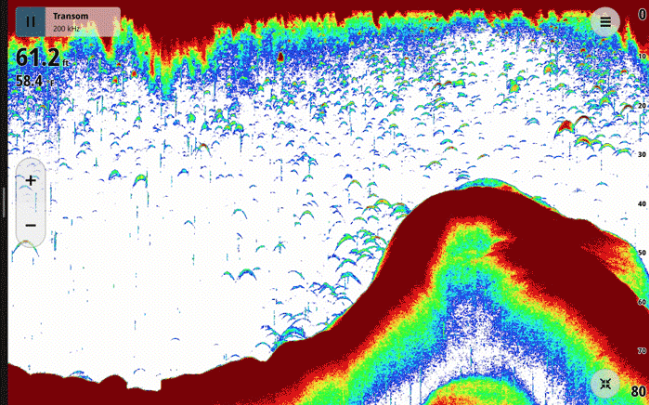
The first clue lies in the shape of the sonar return. Large, solid arches often indicate bigger, individual fish — like tuna or amberjack — while smaller or thinner arches may suggest baitfish or smaller reef species.
Learning to interpret the width and density of those marks takes time, but once you do, it becomes second nature to distinguish a snapper from a skipjack at a glance.
2. Depth and Behavior Speak Volumes
Each species has a preferred zone in the water column. Yellowfin tuna, for example, often patrol mid-depths following bait schools, while groupers hug the bottom structure.
By paying attention to where the return appears and how it moves, you can make strong predictions before even dropping a line.
3. Schooling Patterns Are Dead Giveaways
When your screen lights up with a dense cluster of returns moving in unison, you’re likely looking at schooling fish — think mackerel, dorado, or sardines. Solitary or widely spaced returns, on the other hand, could indicate predators such as marlin or wahoo shadowing the edges of those bait balls.
Reading these behaviors allows you to anticipate strikes and position your lures with precision.
4. The Power of CHIRP and Frequency Range
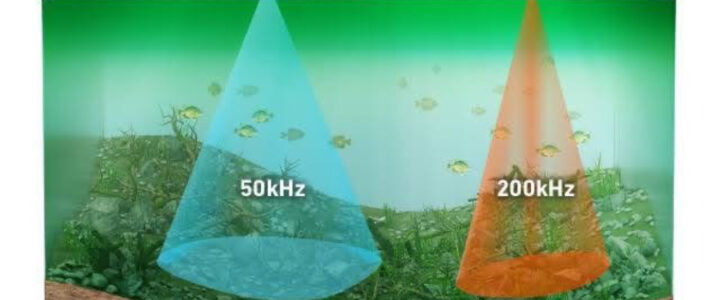
CHIRP sonar technology sends multiple frequencies through the water, producing a much higher-resolution image than single-frequency units.
Low frequencies penetrate deeper and reveal big gamefish at depth, while higher frequencies deliver detailed returns of bait schools and smaller fish closer to the surface.
The combination helps you identify not just that fish are there — but what kind of fish they likely are.
5. Structure and Context Matter
Understanding the environment around those sonar marks is just as important.
Fish behave differently around reefs, ledges, or open water. A tight cluster near a rocky structure may suggest snappers or groupers, while returns suspended in open blue water might be tuna or billfish.
If your sonar setup includes side-scanning or structure-view features, use them to interpret the terrain along with the returns — it gives you the full picture of what’s happening below.
6. Practice Makes the Picture Clear
Even the best technology won’t replace experience. The more you fish, the more patterns you’ll recognize — how a striped marlin’s mark looks compared to a wahoo’s, how bait schools form different shapes depending on current and depth, or how tuna move through the cone angle when chasing a jig.
Save screenshots from your sonar, label them after catching the species, and build your own reference library over time. That’s how you turn sonar readings into instinct.
Final Thoughts
Fish identification through sonar isn’t guesswork anymore — it’s a skill every serious angler can master with a bit of practice and the right equipment.
If you’d like to read a deeper technical breakdown on how today’s sonar systems interpret fish behavior and signals, check out this great article from the Simrad Learning Hub here:
👉 Read: Fish Identification with Sonar Technology
And if you want to experience sonar fishing in action, join us at Tag Cabo Sportfishing — our boats are equipped with cutting-edge sonar systems, ready to help you target the species you dream about.