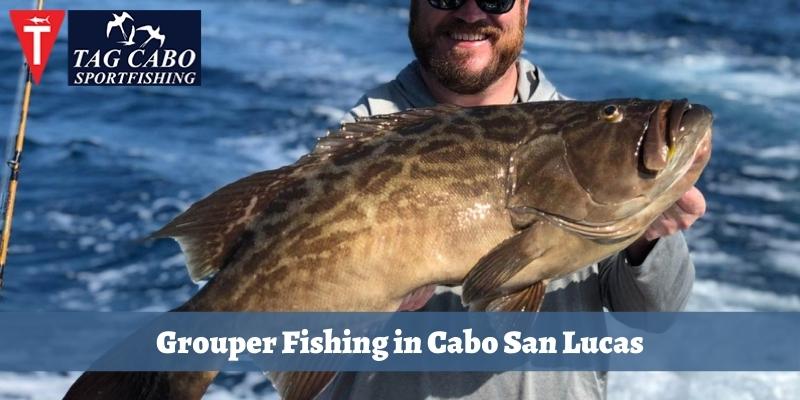
Where can you find Grouper fish in Cabo?

Where can you find Grouper fish in Cabo?

Where can you find Grouper fish in Cabo

Did you know that fishing is also a form of therapy, and you can spend your day relaxing in the waters while you hum a tune and fish? Yes, be it for relaxation, therapy, or game, Grouper fishing in Cabo San Lucas is very famous. All you need to do is charter a sailboat and enjoy your day.

Not many varieties of fish can provide good fine dining at Cabo like Grouper. So, the major fishing charters prefer Grouper fishing to the other varieties. Groupers are hard-bodied fishes with a giant body, head, and mouth. They are mostly found in tropical waters around a warm temperature, so Cabo San Lucas is definitely a great place for grouper fishing.

The right time to fish groupers in this area is from September to March, when the temperature is cooler. It is wiser to charter yachts or sail boats for grouper fishing as the professionals know the best places a grouper can be found. The charters also have special grouper fishing equipment as it is not always possible to catch them with the typical ones due to their hard body.

Where can you find groupers in Cabo San Lucas?

As already mentioned, it is better to charter yachts for Grouper fishing in Cabo San Lucas as they are familiar with the areas where you can easily find the fish. The groupers are seawater fish that are mostly found at least within a depth of 60-650 feet in the sea waters. You don’t have to be too far from the shore as the fish mainly hides around the port areas.

You can find plenty of fish in the Baja waters along with Mahi Mahi and Big Tuna fishes. The fishes cannot be found way too much nearer to the shore, but not too much away as well. Offshore fishing in Cabo is a very attractive activity for tourists and sports anglers.

The best places where you can find Groupers are near coral reefs. Groupers come to hide around these places as coral reefs offer shelter to the large Groupers and also a source of food as the coral reefs are home to various other smaller species of fish. Sometimes, the fishes simply patrol around them. You can also find them near rocks or wrecks, which are not too much away from the shore.

Their habitats are also common near seaweeds and sea caves, mainly in places with many holes and rocks where they can easily hide. They don’t move around in large groups, so targeting them requires a little patience.

Navigational aids and towers also provide vertical walls where they can hide. Therefore, you can also start by searching around these areas for Grouper fishing in Cabo San Lucas. You can use recreational sonar to find the fish hiding around these places.

Submerged hills, rocks, and caves are also ideal places for the Groupers to hide. They shelter the fishes from sea storms and huge waves and provide them with excellent conditions for survival, like food, light, convenient water temperature, etc. The fishes are slow-moving fish, so you need to anchor around the structures and lank marks mentioned above and try to get the fish out.

How to catch a Grouper?

The Groupers mostly dwell at the bottom of the sea, so you must be prepared for bottom Grouper fishing in Cabo San Lucas. Once you are near the ideal location of these fishes, you need to anchor your sailboat or yacht near them and try to lure them out. The baits that are commonly used consist of squids and other living sea fishes, but you can also use jigs.

Remember that they are strong, massive, and hard-bodied fish, so you need the proper equipment to catch them. Usually, heavy-duty fishing rods that are 6-7 feet long are used along with 30–50-pound lines to tackle them. Even if the fish falls for the bait, it is difficult to catch them as they put up a strong fight.

You need to keep them away from their shelter, or else you will lose them. You have to drag the massive fish away from the rocky shelters to secure the catch and prevent a broken line. If you manage to hold pull the fish away and hold onto the rod, then you win, and the fish is yours.

Importance of chartering fishing boats

Grouper fishing in Cabo San Lucas is fun, no doubt, but imagine going offshore and getting lost or not being able to find the right shelter for a Grouper! You lose all the excitement for the fishing. Therefore, it is important to charter a fishing boat.

Firstly, the sailors are experienced, and they will navigate you to the hiding places of the Groupers, which include coral reefs, mountains, sea caves, etc. You must know that navigating around them while fishing is difficult, so it’s better to leave the navigation to a professional while you focus on fishing.

The sailboats are also equipped with Grouper catching tools and come with GPS, so you won’t have to worry about being lost at sea while fishing.

Conclusion

Grouper Fishing in Cabo San Lucas is extremely fun and exciting, and once you get to know their ideal hiding places, the fish is all yours. However, due to extreme spearfishing, a few species are now under wildlife protection, and you can only fish them during a particular time. Nevertheless, it is still fun, and if you want to take a catch onshore, it is better to charter a yacht. This way, you can focus on fishing without needing to worry about navigation.

Do you want to go fishing for Groupers in Cabo San Lucas but don’t want to get your private yacht? Well, Tag Cabo Sportsfishing is providing the solution. Our fleets include 90-foot Horizen, 80 feet Sunship, 60 feet Sun Seeker, 80 Foot Azimut, and the 70-foot Hatteras. We also provide you with the 35 feet Ninja Fishing Charters for a romantic fishing trip. Contact us at 624 768 9544 or mail us at tagsportsfishing@gmail.com
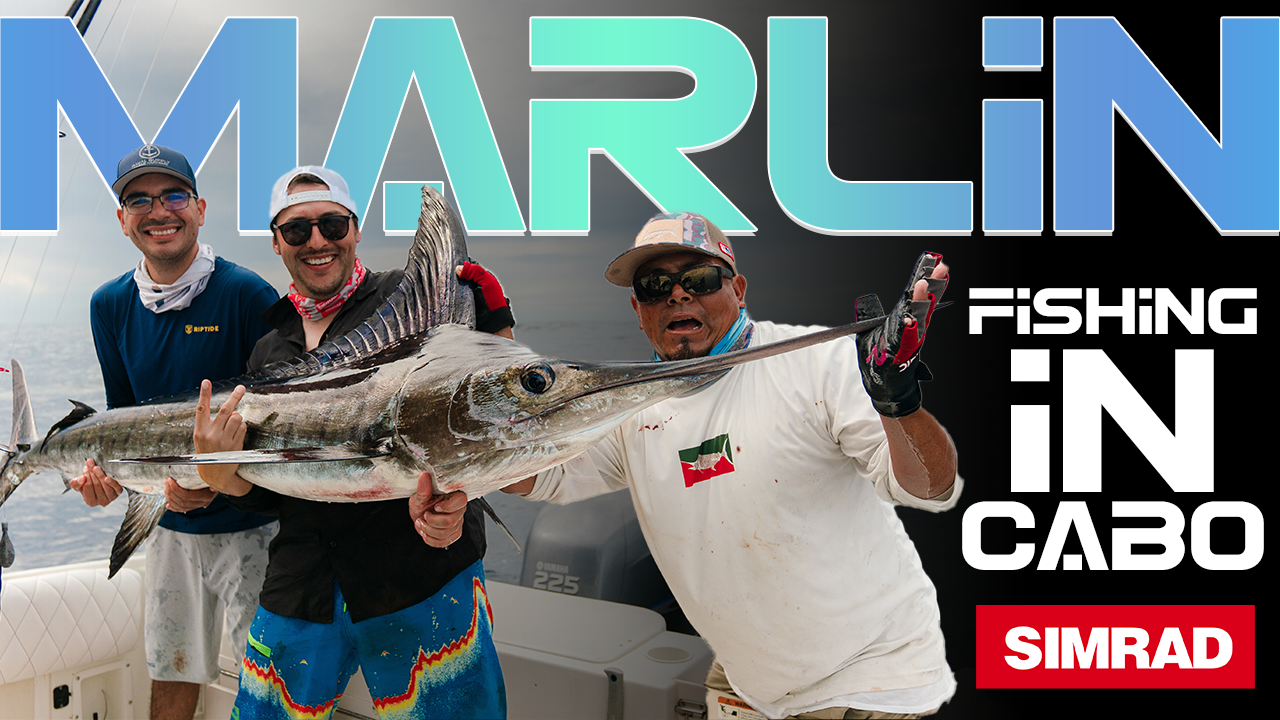
Deep Sea Fishing for Beginner Fishing Enthusiasts

Deep Sea Fishing for Beginner Fishing Enthusiasts

Deep Sea Fishing for Beginner Fishing Enthusiasts

Fishing is a pleasant hobby, and if you practice it for a long enough time, you’ll become an expert at all the different fishing techniques you can use. There are rivers and oceans all over the world where anglers can enjoy the activity from almost anywhere there is water, from fly-fishing to deep-sea fishing. Deep sea fishing Cabo ideas are meant to assist you in catching more fish, but they are not always simple.

Although there isn’t much of a learning curve for this sport, you do need some basic understanding of the species you’ll be targeting, equipment, and a place to fish. The following pointers are provided to assist all newcomers to deep-sea fishing.

DEEP-SEA FISHING TIPS

The key is knowledge. Filling your curiosity with relevant information is the initial step in picking up deep sea fishing, Cabo San Lucas, whether as a hobby or otherwise. On the subject, it is simple to find false information that could ultimately lead to greater uncertainty.

1. Do Research

Before embarking on any seafaring adventures to the open sea, you can allow yourself to stock up on the much-needed know-how by conducting research on the topic, obtaining specific information from reliable sources, enrolling in fishing courses, and going on charter trips.

2. Seek Help from Experts

Learning from experienced saltwater fishermen is a fun way to increase your expertise. Obtaining membership in an angler social club allows you to receive a firsthand, personal summary of the “how to’s” from seasoned, saltwater-fishing seafarers. You have the chance to benefit from the experience of seasoned fishermen through frequent gatherings and fishing activities. With each charter excursion, these professionals will be happy to walk you through the fundamentals and tell you about their heroic exploits.

3. Take a Charter Trip

A knowledgeable companion is always preferable on a charter excursion. The chance to have a professional walk you through every detail of the event is a certain method to pick up the ropes quickly. An expert will provide you with more on a chartered trip than just a tour of the deep sea fishing Cabo. Whether you are fishing for bream, bass, or any other species, he will explain to you the many sorts and specifications of fishing equipment you will require as well as the different kinds of bait you will require.

The hunter’s knowledge will essentially be shared with you together with its actual beauty and adventure. Charter trips are a lot like practical classes where knowledge from the classroom is applied to real-world scenarios.

Charter trips are also offered for experienced fishermen, though they are often designed for beginners. You can decide whether to go on a planned trip with a group of other inexperienced anglers or by yourself and a fishing pro. In either case, information will be exchanged, and if you go in groups, you can split the expense.

4. Take a Class

Deep sea fishing Cabo San Lucas classes for anglers and fishermen are another surefire approach to gaining firsthand knowledge. There is a one-time registration charge for fishing classes; sign up soon as they will fill up quickly. The majority of fishing lessons walk you through the principles of virtually every kind and style of fishing. While some sessions will take you out on the water, others may concentrate on saltwater shore fishing.

5. Use Live Bait

When a fishing expedition is unsuccessful, it is frequently the fault of the person utilizing the incorrect kinds of bait. In the open ocean, predatory wild fish consume smaller bait fish.

If you are angling for a particular species, you should use live bait. The research will help know how fish seek in their native environment. Hooking a shred of bait on your fishhook may lure scavenger fish.

Study the fish you intend to pursue so you can simulate life in its natural environment. Learn more about the types of fishes and baits from deep sea fishing Cabo.

6. Prepare Yourself for Motion Sickness

Not everyone can handle a boat swaying in open water. When ocean conditions are turbulent, vessels can rock so violently that passengers may feel queasy.

Bring Dramamine or a comparable antihistamine to prepare yourself for motion sickness. These medications are used to prevent & treat nausea, vomiting & dizziness.

7. Pack A Lunch

It can take an hour or longer to get there on some excursions, depending on where you’re fishing. This is a day-long adventure when you include travel, packing, docking, and fishing time.

Bring food with you; perishable treats like protein bars & electrolyte-rich drinks will keep you fed for one day of fishing. Like in any sport, maintaining proper hydration and energy levels for the body should be a top priority.

8. Take a First aid Kit

No matter what kind of watercraft you use or where you use it, some of these things can be required or simply advised. Deep sea fishing Cabo San Lucas will provide you with a first aid kit that has every component.

  • A first-aid kit for cuts, scrapes, motion sickness, and other emergencies
  • Keep your phone nearby in case you need to call for help.
  • Make careful you keep a bucket or a bailing device on board to dewater and stay afloat.
  • Use paddles or oars if the motor breaks down.
  • VHF radio for assistance.
  • Anchor your boat and use a line to hold it in place while you await assistance.
  • Powerful flashlight.
  • A snorkel mask so you can view what’s going on underneath the boat.
  • A knife to sever the string encircling a stuck propeller.
  • Diver or skier down the flag.
  • You need functional running lights on your boat.
  • Because the weather can suddenly change on a lake, it’s important to receive weather updates.

Conclusion

Anyone can enjoy the thrilling activity of deep-sea fishing, but heeding advice for novice anglers like this can help them maximize their enjoyment of their vacation. With these straightforward deep-sea fishing recommendations, you can easily make your initial experience enjoyable. You will have success in deep sea fishing, Cabo, if you adhere to these guidelines.

Deep sea fishing is offered in Cabo San Lucas by Tag Cabo Sportfishing. To enhance the whole experience of the trip, we use cutting-edge equipment like fish finders. Details can be found here- https://www.tagcabosportfishing.com/. You can also mail us at tagsportfishing@gmail.com.


Can You Go Fishing in The Month of January in Cabo

Can You Go Fishing in The Month of January in Cabo

Can You Go Fishing in The Month of January in Cabo

The breathtaking seas around Cabo San Lucas provide some of the finest fishing in North America. Knowing the worst or best times to practice fishing in Cabo will make a significant difference in your experience’s success rate if you are truly passionate about this activity.

Generally, May through November in Cabo San Lucas fishing report is the greatest season to fish in Cabo, particularly for Jack Crevalle, sailfish, Yellow Grouper, Yellow Fin Tuna, Mahi Mahi, and Marlin. During this season, the greatest variety of fish will be available.

This paradise is home to thousands of Blue, Black, and Striped Marlins, earning it the title “Marlin Capital of the World.”

Cabo San Lucas’s best fishing season

Cabo San Lucas, Mexico, is well-known for its world-class fishing, with species ranging from Rooster Fish to Black Marlin. The waters surrounding Cabo are teeming with some of the finest inshore and offshore fish, which are favored by both devoted and casual sport fishing enthusiasts. Here is a month-by-month breakdown of the species you may anticipate catching and the perfect time to Cabo fishing.

January 

If you are planning a winter holiday in Cabo, sportfishing opportunities will be abundant. In January, Yellowfin Tuna, Striped Marlin, Mackerel, and Mako Sharks are abundant. You will also witness a considerable amount of Wahoo and Dorado. This month sees an abundance of Striped Marlin, making it an ideal period to go for Cabo fishing. With a prediction of dry and moderate conditions, the environment is as pleasant as ever.

February

The month of February is a fantastic season for fishing in Cabo San due to the increasing diversity of fish and the continuously high quality of Striped Marlin. Snapper and Grouper become accessible throughout February for inshore fishing. This month will also see an increase in Swordfish, along with the continuance of great catches of Mackerel, Striped Marlin, and Mako Sharks. The fishing for Wahoo is excellent, while the fishing for Dorado and Yellowfin tuna is average.

March

As the temperature rises at Cabo San Lucas, the inshore fishing also intensifies. The Snapper and Grouper seasons begin in March, while the Swordfish season begins at the same time. In addition to an abundance of Dorado, Wahoo, Yellowfin, etc., the fishing for Striped Marlin remains exceptional. Cabo San Lucas is an excellent location for inshore and offshore fishing in March. There is basically little possibility of precipitation throughout March.

April 

April is an exceptional month for fishing in Cabo San Lucas. The average temperature rises to the mid-80s with 60% relative humidity. The average amount of precipitation in April is 0.00 inches, which is nearly non-existent.

May 

May at Cabo San Lucas is prime time for Striped Marlin fishing. Pack your sunblock with an average temperature of 89 ° and humidity levels in the low 60s! As the air temperature rises, so does the water temperature, producing excellent Marlin action.

June 

Halfway through the year, Dorado and Wahoo become more prevalent. This is the solid final month for several inshore species, including the Swordfish. The Black and Blue Marlin fishing will improve this month, and we’ll still have an excellent quantity of Striped Marlin.

July 

Black and Blue Marlin fishing are at its optimum throughout the summer. In addition to a huge quantity of Dorado & Yellowfin, July is an excellent time to target some of Cabo’s most popular fish.

August 

Similar choices will be available in August as they were in July, with huge quantities of Black and Blue Marlin and a fair quantity of Striped Marlin in the water. Cabo has the greatest marlin fishing in the world, so now is an excellent time to visit and see the battle of these fish.

September

At the end of the summer, the number of billfish is high. The populations of Sailfish and Yellowfin are on the rise. September is a popular month for Blue and Black Marlin fishing. This time of year, Dorado is still a popular option.

October

The month of October is tournament season in Cabo San Lucas, the “Marlin Capital of the World,” and this is when a large number of trophy-sized Blue and Black Marlin are caught in the Sea of Cortez. This is a fantastic opportunity for Marlin aficionados to come down and partake in the activity.

November 

In November, the fishing in Cabo San lucas continues to be dependably superb. This is the start of the prime time for Striped Marlin, while Blue and Black Marlin are beginning to slow down. Yellowfin Tuna, Dorado, Mackerel, and Shark are abundant in November. November is a terrific season for family fishing expeditions, and Picante has the expertise to make your charter an unforgettable experience.

December

The month of December is the best time to go to Cabo San, Mexico. With typical daytime temperatures in the mid to upper 70s and a humidity level of 65%, Dec is the most pleasant month of the year.

Conclusion

Cabo San Lucas is a destination that should be on the bucket list of any traveling fisherman. Few fisheries around the globe allow you to experience so much in such a short time.

This location offers an abundance of both offshore giants and inshore fighters, so you are not forced to pick between number and quality. Instead, Cabo permits unrestricted access to its many waterways, regardless of the time of day. 

As you’ve seen, Cabo fishing is enjoyable at any time of the year! We pride ourselves on having some of the most experienced captains, crew members, and the most sophisticated charter fleet available anywhere. Send us an email at tagsportfishing@gmail.com or give us a call at the following number: 01-52-624-168-9544 / 624-168-9544 so that we can assist you in organizing an experience that will live long in your memory and be something you can brag about.


When is the best time to explore fishing in Cabo

When is the best time to explore fishing in Cabo

When is the best time to explore fishing in Cabo

Cabo San Lucas, Mexico, is well-known for its world-class fishing, with species ranging from Rooster Fish to Black Marlin. The waters surrounding Cabo are teeming with some of the greatest inshore & offshore species, making them popular among both avid fishermen & casual sport fishing enthusiasts. 

Here is a month-by-month breakdown by Cabo fishing report of the kind of species you can anticipate catching in Cabo San Lucas, as well as the optimum time of year to go fishing:

Cabo San Lucas fishing in January

According to the Cabo san, Lucas fishing report, January has some of the nicest weather conditions for fishermen all year. The weather is great for a day on the lake, with regular temperatures of 75 degrees & humidity of 68%. The month is relatively dry, with only .20 inches of rain on average. In January, the Pacific Ocean waters generate a fantastic Striped Marlin bite, which is the principal catch. We are also seeing a robust Dorado bite, with schools of these aggressive fish being discovered regularly.

February is the best month for fishing at Cabo San Lucas.

February brings us some beautiful weather, with a few rainstorms thrown in for good measure. The average temperature ranges from 76 to 78 degrees, with a humidity level of 65%. In February, Cabo receives an average of 1.10 inches of rain, with the majority falling in intense storms that span a couple of days.

The month of February is notorious for sporadic drops in water temperature caused by south-flowing cold water currents, which slow certain species & bring others into the grounds. Striped marlin is the principal catch, and there are plenty of them in the Pacific from Lighthouse to Finger Banks.

Cabo San Lucas fishing in March

As per Cabo san Lucas fishing report, March offers Spring Respite and, sometimes, a pause from Bill Fish. With average temperatures around 80 degrees and humidity around 68%, the month generates a total of 0.00 inches of rain, making conditions excellent. In March, we may face strong gusts and chilly water from the north. Having said that, we still see some fantastic Cabo fishing.

Cabo San Lucas fishing in April

April is an excellent month for Cabo fishing. The average temperature rises to the mid-eighties, with 60% humidity. April had almost no rain, with an average rainfall of 0.00 inches. Typically, offshore fishing offers a robust Striped Marlin bite as well as an extremely good Dorado bite.

It is not unusual for us to see numerous Marlin and large Dorado hauls on day outings in April. Spanish Mackerel, Yellow Tail, Skip Jack, smaller Dorado, & the rare Rooster Fish are the main targets inshore.

Cabo San Lucas fishing in May

May is marlin season at Cabo San Lucas, with a strong Striped Marlin bite. With an average temperature of 89 degrees & humidity in the lower 60s, pack your sunblock! As the weather warms, so does the ocean, bringing in generally excellent Marlin action. During May, we also see some of the best Dorado landed, with larger fish hitting the decks. Inshore, May marks the start of the Rooster Fish season, with more being caught inshore.

Cabo San Lucas fishing in June

According to the Cabo san Lucas fishing report, June brings a nice mixed bag of fish. If you check the fishing calendar, you won’t find anything particularly thrilling, but don’t be fooled! June is quite hot in Cabo, with average daytime temperatures of 94 degrees & humidity levels of 65%. These higher temperatures also heat the seas, making June a wonderful month for fishing.

Cabo San Lucas fishing in July

July is quite hot in Cabo….fishing is also very hot! In July, temperatures in Cabo San Lucas vary from 95 to 100 degrees Fahrenheit, with humidity nearing 70%. The seas offer plenty of terrific deep sea fishing activities for those who enjoy it hot. July is the best month to go billfishing at Cabo San Lucas, with a variety of billfish species, including Sail Fish, Striped Marlin, and the occasional Blue Marlin. In the Sea of Cortez, we also see some excellent tuna action from the San Jaime banks to Gordo Banks.

August is the best month to go fishing at Cabo San Lucas.

August marks the start of the large fish season at Cabo San Lucas. In August, temperatures average in the mid-90s, but the humidity of 70% or more makes it seem even hotter. If you want your drink cool and your days scorching, this is the greatest time to go Cabo fishing! August fishing is fantastic! We begin to notice a good Sail Fish bite as well as larger Blue & Black Marlin with 310-pound plus fish within our day range.

Cabo San Lucas fishing in September

Many people believe September to be one of the greatest months for angling in Cabo San Lucas. The weather is generally very hot, with average temperatures in the mid-90s and humidity nearing 70%. In September, the mild weather brings warm seas and huge fish to our grounds. We are seeing an upsurge in huge Yellow Fin Tuna around the Pacific’s San Jaime Bank & the Sea of Cortez’s Outer Gordo Banks.

Cabo San Lucas fishing in October

We believe that most people might agree that October is the finest month for angling in Cabo San Lucas. The weather cools down slightly, with temperatures in the high 80s to low 90s and humidity in the upper 60s, but most significantly, water temperatures are optimal for big fish. The majority of the biggest fishing events take place in October, including the multi-million dollar Bisbee’s Black & Blue Marlin contest.

This time of year, the major reward is a 310-pound+ Black & Blue Marlin, a 310-pound+ Yellow Fin Tuna, & a huge quantity of Striped Marlin &Dorado. Wahoo, Dorado, Sail Fish, & bottom fish are the most common inshore species.

Cabo San Lucas fishing in November

Cabo san Lucas fishing report says that November has some fantastic fishing conditions. The weather is cooling down, with average temperatures decreasing to 83 degrees & humidity lowering to the upper 50s. There are loads of Sail Fish, Dorado, Striped Marlin, & Tuna offshore at the 26-mile mark in the Pacific & the 1000-fathom mark in the Sea of Cortez.

Cabo San Lucas fishing in December

If you enjoy wonderful weather and fishing, December is indeed the month to explore Cabo San Lucas. December has the greatest weather of the year, with average daytime temperatures in the mid to upper 70s & humidity of 65%. Fishing yields an amazing variety of species, with the major catch being Striped Marlin, closely followed by Dorado, Wahoo, & a nice Yellow Fin Tuna bite.

Conclusion:

Cabo is home to a wide diversity of fish. Some of them may appeal to you, while others may appear far too frightening. But one thing is certain: you are going to have a great time here. Deep sea fishing is the ultimate adrenaline rush if the adventure level is much too high.

Do you want to go deep-sea fishing alongside your loved ones? Then contact Tag Cabo Sportfishing to book your vacation. Here, we prioritize client satisfaction and go above & beyond to deliver on that commitment. You can contact us by email at tagsportfishing@gmail.com.


Fish Finders–What is it, & Its Advantages in Deep Sea Fishing

Fish Finders–What is it, & Its Advantages in Deep Sea Fishing

deep sea fishing in cabo

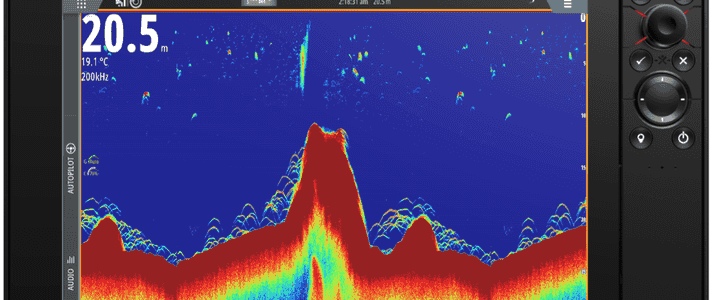
If you ever wondered how anglers locate fish in deep-sea, it is the fish finder. They are sonar-based device that helps find fish and their exact location. The same device is used by fishing guide for deep sea fishing Cabo.

Deep sea fishing in Cabo San Lucas is very popular. If you love sport-fishing, deep-sea fishing is your destination. Here, you will find fishing opportunities throughout the year. Hire a fishing charter and enjoy a great fishing day in Cabo. These services are all-inclusive and you will get the boat as well as the fishing gears.

One of the things that make guided fishing trip so great is that they use advanced equipment like fish finder.

What is a Fish Finder?

A fish finder is a device that works on SONAR technology and is often used by anglers to locate fish. The Sound Navigation and Ranging system, as popularly known as SONAR, is a very important device for fishing. You will see anglers and fishing guide services using it to locate fish fast.

Deep-sea fishing in Cabo is fun, but only if you can locate the fish you wish to catch. Deep-sea fishes are larger, smarter and not easy to catch. Also, they are not easy to locate. To make it easier, devices like SONAR fish finders are used.

Make sure that the charter service you are hiring for deep sea fishing Cabo, also used advanced devices like fish finder.

How Fish Finder Works?

Fish finders are great for deep-sea fishing. There is a transmitter on the ship or boat, which is used to send signals in the water. The SONAR device detects the reflected waves by the fish and reports to the transmitter. The reflected waves are then recorded by transmitter and signal is sent to the screen.

There are a display screen shows the location of the fish. The screens are now available in LCD. With the advancement in technology, the SONAR system as also improved. Now, it is more sophisticated than ever before.

The SONAR technology has been used since 90s and it is still popular. Todays, fish finders come with additional features like GPS, radar, and electronic compass. These features make even more efficient and reliable than ever before.

How it Benefits Anglers

Fish finder is widely used for deep sea fishing Cabo. And, there are many reasons for it. If you want your fishing experience to be great in Cabo, make sure that fishing guides use this technology.

Here are the advantages of using fish finders for deep-sea fishing:

1. Helps Find the Fish

It is the obvious one. Fish finders help find fish. If you think finding fish is that easy, you have never done deep-sea fishing. The depth is over 30 meters and finding fish in such vast area is a challenge. Luckily, you can use devices like fish finder to quickly locate them.

Fishing guides use this system to quickly locate the fish, so that people can enjoy fishing. You don’t want to spend hours looking for fish. Additionally, fishing guides have years of experience and expertise in catching deep-sea fish species. Which is why, hiring a charter service is a great idea. You will get fishing guides to help you.

It also has the ability to locate fish in all kinds of water terrains – sea, river and more.

2. Eliminate False Alarm

Fish finder comes advance SONAR technology and is capable of reducing the noise. Meaning, it can help accurate detection of fish. In fact, they have the unique ability to differential between a fish, bottom of water body and rocks. This helps eliminate false detection. It will save a lot of time for you.

Some fish finders are so efficient that they can even detect the fast-moving fish. This is helpful for detecting fish like Blue Marlin. Finding deep-sea fish is not an easy job. But with a device like a fish finder, it can be done more efficiently.

Read More: How Fishing Charter Make Deep-sea Fishing More Relaxing

3. Get the View for Either Side of the Boat

Fish finders comes with side scan, which allows you to find fish on either side of the boat. This gives you the advantage of viewing the fish on left or right side. This will also help you view more fish.

A fish finder can make your deep-sea fishing more efficient in many ways. This is the kind of device you need to quickly find the fish and enjoy your fishing time.

The Bottom Line

Fish finders are one of the best devices for locating fish and they are helpful for deep-sea fishing. When planning a deep-sea fishing trip, make sure to have a device like fish finders. Better, hire a charter service to simply things, so that you can focus on fishing and enjoy the convenience.

Tag Cabo Sportfishing offers deep sea fishing Cabo San Lucas. We use advanced devices like fish finders, to make the whole trip more enjoyable. Find more details here – https://www.tagcabosportfishing.com/sport-fishing-gallery/


Why Fishing Rods Break!

Why Fishing Rods Break!

Why Fishing Rods Break

Insight into what causes rods to break can help save yours

Fishing in Cabo San Lucas

Three Reasons Rods Break

1) The rod has been somehow damaged in transit or handling (in a way that doesn’t show).

When transporting your equipment make sure you don’t bang your rods because even if you don’t physically see the damage it will eventually break your rod and it will make you lose a fish that took you a lot of patiences and persistence to catch!   

2) High-sticking while fighting a fish,.

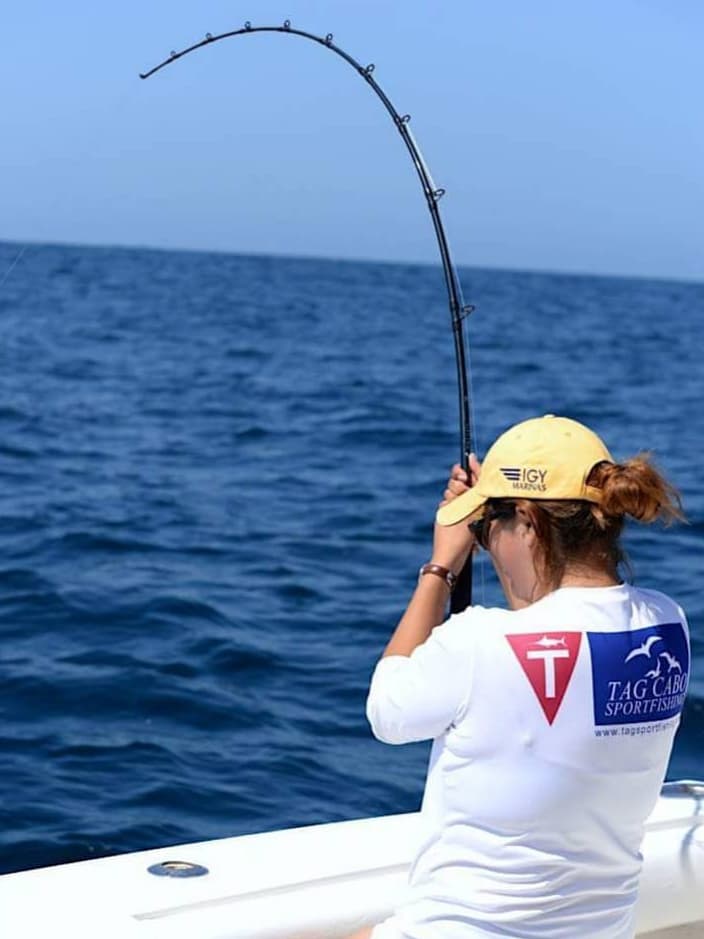
When you raise your rod to an angle that’s great than 90° from the ground, you’re putting a lot of stress on the rod and increasing the chances that it’ll break.

So be sure to keep the rod at an angle less than 90° when you’re fighting fish or trying to pull out your lure when it’s snagged.

3) Mismatched tackle, as when an angler fishes too large a reel or with line too heavy for a given rod.

basically don’t go after a 200 pound tuna with small tackle because you will lose the fish for sure and that hurts more that breaking the rod!

The biggest cause of rods snapping, in my experience, is due to angler error.” Not surprisingly, Stanczyk then cites high-sticking because that “puts the pressure in the tip part of the rod as opposed to the backbone; this causes the more-fragile tip to snap.”

For professional guided fishing trips in Cabo San Lucas reach out to us via email at tagsportfishing@gmail.com